Mass evacuation follows direct missile impacts in southern Israel as tensions with Iran escalate
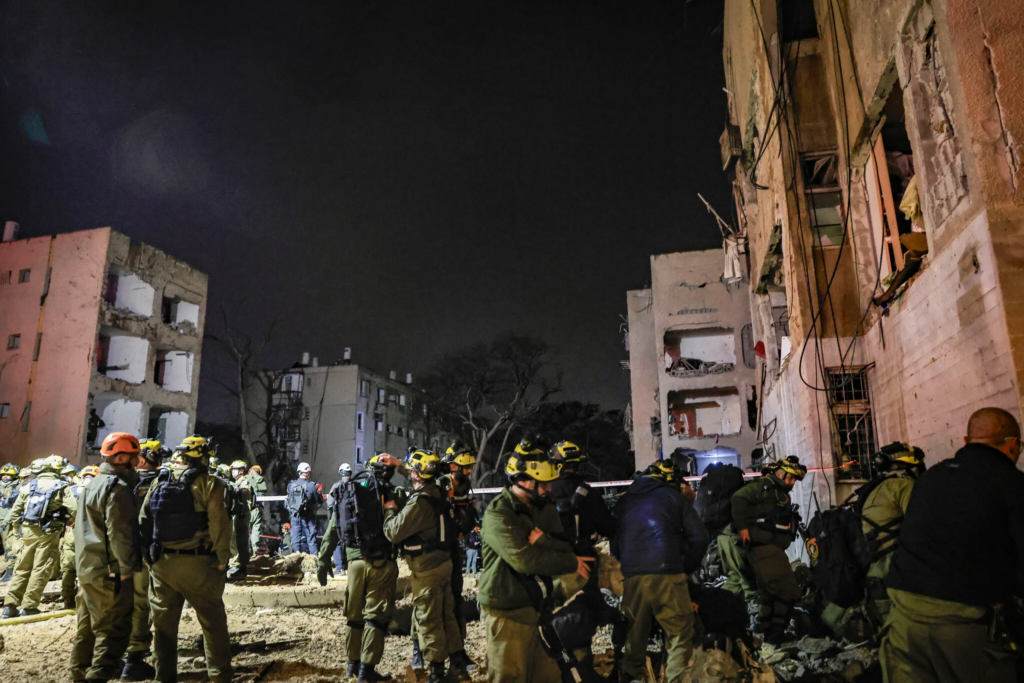
In the wake of an Iranian ballistic missile strike on Dimona, Israeli authorities have evacuated 485 residents from impacted and nearby areas in a large‑scale emergency response, officials and local media report. The evacuation reflects serious concern for civilian safety and infrastructure stability following one of the most notable missile impacts on the city during the ongoing Iran‑Israel conflict.
The missile barrage, launched by Iran in apparent retaliation for earlier strikes against its facilities, bypassed parts of Israel’s air defenses and struck residential districts in Dimona. At least dozens of civilians were injured by shrapnel and blast debris, including children, sparking urgent search and rescue efforts. Emergency medical teams were deployed to treat the wounded, and hospitals in nearby cities such as Beersheba were placed on high alert as part of the broader emergency response.
The Home Front Command, responsible for civil defense, coordinated the evacuation of nearly 500 residents from areas deemed at heightened risk following structural damage reports. Shelters and temporary accommodation were prepared, while warnings went out advising residents to remain close to protective spaces and follow official safety instructions. Israeli authorities said that the evacuation was necessary due to concerns about possible further missile activity and secondary explosions.
Dimona is home to the Shimon Peres Negev Nuclear Research Center, an institution critical to Israel’s strategic infrastructure. Although international watchdogs later confirmed no abnormal radiation levels at the facility, the proximity of the strike raised alarm among officials and civilians alike, prompting swift protective measures.
Prime Minister Benjamin Netanyahu described the events as part of a “very difficult evening” for Israel, emphasizing that the government would defend its citizens while continuing to respond to ongoing threats. He reiterated the need for strong national resilience and support for families affected by the attacks, noting that security and emergency services were working around the clock.
Defense officials highlighted the challenge posed by missiles that successfully penetrated parts of Israel’s sophisticated air defense systems. While systems such as the Iron Dome and David’s Sling have intercepted hundreds of incoming threats in recent weeks, the strikes on Dimona and other southern cities like Arad exposed limitations and triggered reviews of defense readiness.
Beyond the immediate physical damage, the evacuation underscores the psychological and logistical impact of conflict on civilian life. Children were among those moved to safety, and many residents described scenes of confusion and upheaval as emergency alerts blared and evacuation orders were issued. Local authorities worked to ensure that schools, workplaces, and public facilities could support displaced families while maintaining essential services under continuing threat conditions.
International reactions to the escalating situation have been mixed. Several governments and global organizations have called for restraint and urged diplomatic solutions to prevent wider regional escalation. Meanwhile, Israel’s allies have affirmed their support for its right to defend itself, with increased military assistance and discussions about bolstering civil defense capabilities.
Strategists warn that continued missile exchanges could further strain regional stability, disrupt civilian infrastructure, and complicate efforts to revert to diplomatic negotiations. For now, the focus remains on protecting lives and homes as the situation remains fluid and unpredictable.
In conclusion, the evacuation of 485 residents in Dimona following an Iranian missile strike highlights both the human and strategic toll of the current conflict. As emergency responders continue to aid the wounded and relocate civilians to safer areas, Israel’s civil defense systems and leadership are navigating a critical phase marked by heightened tensions and persistent security threats.