French President Warns Tehran Against Targeting French Forces After Drone Strike Kills Soldier, Calls for Immediate Halt to Hostilities
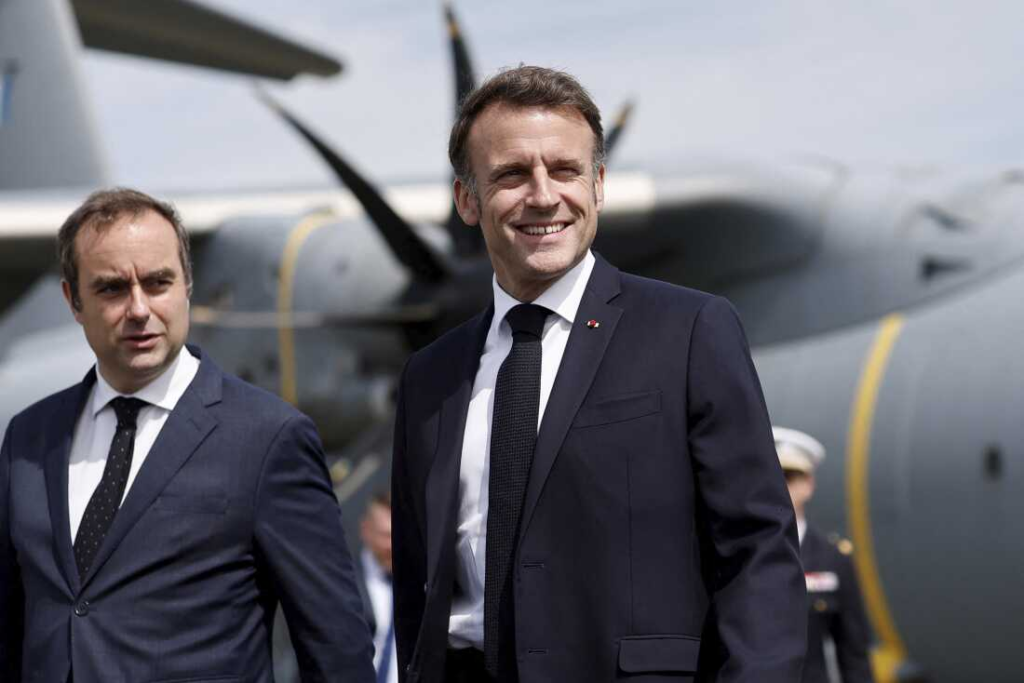
French President Emmanuel Macron has issued a strong condemnation of recent attacks linked to Iran, declaring that targeting French forces and national interests in the Middle East is “unacceptable” and must stop immediately. The denunciation came after an Iran‑made drone strike in northern Iraq killed a French soldier and wounded several others, prompting Paris to call on Tehran to cease hostilities and protect regional stability.
In remarks delivered publicly and shared across French official channels, Macron emphasized that French troops are present in the region strictly in a defensive and cooperative role — assisting in anti‑terrorism training, protecting civilians, and supporting allied local forces against extremist threats. He said the attack on France’s military personnel constituted an unjustified escalation that could not be ignored and must not be repeated.
Drone Strike and French Casualty in Iraq
The incident that triggered Macron’s rebuke occurred when a drone believed to be of Iranian origin struck French forces stationed near Erbil in the autonomous Kurdish region of Iraqi Kurdistan. The strike killed Chief Warrant Officer Arnaud Frion, marking the first French military death linked to the current regional conflict, and injured six others during an allied operation. French officials described the attack as unjustified and unacceptable under international norms.
Macron personally reached out via official communications to Iranian authorities — including President Masoud Pezeshkian — to convey his concerns and demand an end to such attacks targeting France and its partners. In a statement, Macron stressed that France’s actions in the region are defensive, aimed at preserving peace, protecting citizens, and ensuring freedom of navigation in vital routes like the Strait of Hormuz.
France’s Position on Regional Escalation
Macron’s comments reflect France’s broader diplomatic stance amidst escalating conflict between the U.S.‑Israeli coalition and Iranian forces across the Middle East. Paris has been among several Western nations urging restraint, greater diplomatic engagement, and respect for international law — even as Tehran and allied proxies conduct operations in multiple theaters including Iraq, Lebanon, and other regions.
In public addresses prior to this incident, Macron has reiterated that while France supports stability and its allies, it does not take part in offensive military operations against Iran. He underlined that French troops are engaged in training and defensive missions, especially focused on counter‑terrorism and helping local partners address extremist threats.
After the drone attack in Iraq, Macron told Iranian President Pezeshkian that France’s presence “protects its interests and those of its regional partners,” and that deliberate targeting of French forces is a grave violation of international norms. “It is unacceptable for our country to be targeted,” Macron said, urging Tehran to immediately halt its attacks — whether direct or through allied militias in countries like Lebanon and Iraq.
International and Diplomatic Reactions
The French condemnation has found support among several European and NATO allies, who have also voiced alarm over rising drone and missile attacks in the region affecting international forces. There is concern among Western governments that further escalation could draw more countries into the broader conflict and destabilize regional security.
Macron has called for an urgent diplomatic framework aimed at reducing tensions — including reopening waterways like the Strait of Hormuz for safe maritime navigation and establishing agreed‑upon conflict de‑escalation mechanisms between all parties involved. These diplomatic efforts underscore Paris’ interest in limiting the military spread of the conflict and preventing it from extending to European soil or involving NATO directly.
Additionally, France has increased its military support to neighboring countries impacted by the conflict, deploying defensive equipment such as anti‑drone and anti‑missile systems to bolster allied defenses and demonstrate solidarity with bases and populations under threat.
What Macron’s Statement Means for Tehran‑Paris Relations
Macron’s declaration that Iranian attacks on French interests are “unacceptable” places clear diplomatic pressure on Tehran. Paris has urged Tehran to respect international norms, avoid targeting foreign military personnel, and work toward diplomatic solutions that reduce conflict and protect civilians. Whether this pressure will catalyze a change in Iranian conduct remains uncertain; however, it signals a firm stance by France that military engagement should not cross certain lines — particularly when it comes to Western national forces.
As regional dynamics continue to evolve rapidly, Macron’s statement underscores the precarious balance world leaders are trying to maintain: supporting allies, condemning aggression, and seeking diplomatic paths toward greater stability while preventing further loss of life among both military and civilian populations.