Rising military expenses highlight economic strain while international aid covers only part of Israel’s wartime spending
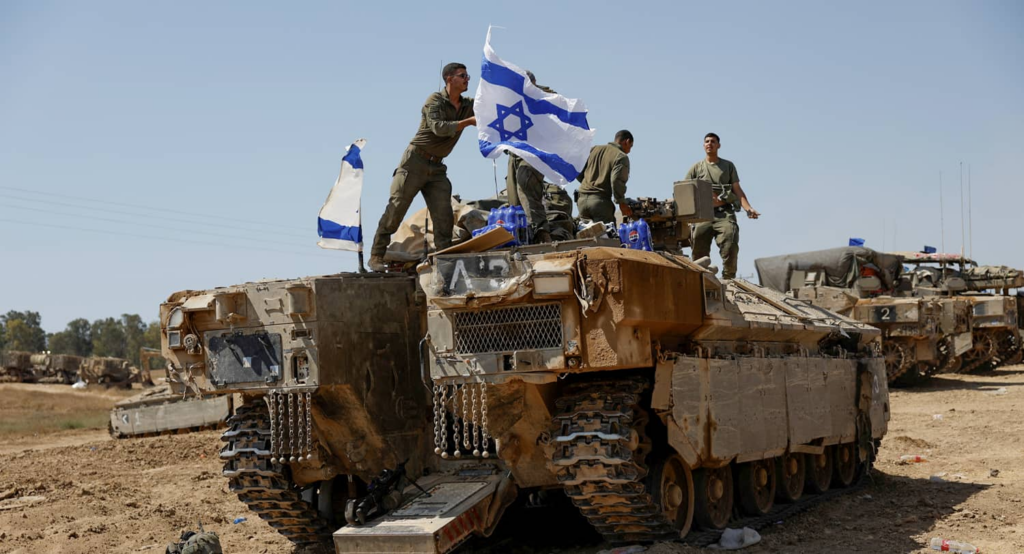
The Israel Defense Forces (IDF) has revealed that the ongoing war has cost an estimated $10.5 billion, underscoring the immense financial burden of sustained military operations. According to official figures, Israel has so far received approximately $5.4 billion in financial and military assistance, leaving a significant funding gap as the conflict continues to escalate.
This disclosure comes amid one of the most intense military periods in recent Israeli history. The costs include a wide range of expenditures, from airstrikes and missile defense operations to ground troop deployments and logistics. A substantial portion of the budget has been directed toward maintaining and replenishing advanced defense systems such as the Iron Dome, which has been heavily utilized to intercept incoming rockets and missiles.
The financial strain is not limited to direct military spending. Israel’s economy has also been impacted by disruptions in business activity, infrastructure damage, and the mobilization of thousands of reservists. Analysts suggest that the true economic cost of the war could exceed the initial $10.5 billion estimate when indirect losses are fully accounted for.
A large share of the $5.4 billion received so far has come from Israel’s closest ally, the United States. Washington has provided both direct financial aid and military supplies, reinforcing its long-standing commitment to Israel’s security. Additional support has come from other allied nations, although the majority of assistance remains US-led.
Despite this support, the funding gap highlights the long-term challenges Israel may face if the conflict continues. Defense experts warn that prolonged warfare could force the government to reallocate resources, increase borrowing, or introduce economic measures to sustain military operations. This could have lasting effects on public spending, inflation, and overall economic stability.
The scale of spending also reflects the intensity of the conflict itself. Israel has been engaged in high-frequency operations across multiple fronts, requiring continuous use of precision weapons, surveillance systems, and air power. The cost of modern warfare—especially involving advanced technology—has risen sharply, making prolonged conflicts increasingly expensive for all parties involved.
From a geopolitical perspective, the financial data reveals the broader implications of the war beyond the battlefield. It highlights the extent of international involvement and raises questions about how long external partners can sustain their support. While the United States has so far remained a key financial backer, domestic political debates and global priorities could influence future aid decisions.
At the same time, Israel’s leadership has emphasized that national security remains the top priority, regardless of cost. Officials argue that the expenses are necessary to counter threats and ensure the country’s long-term safety. However, critics point out that the economic burden may eventually translate into domestic challenges, including budget deficits and reduced investment in civilian sectors.
As the conflict continues, the gap between total war costs and received funding will be a critical factor to watch. Whether through increased international aid, internal economic adjustments, or a shift toward diplomatic solutions, Israel will need to address the growing financial demands of the war.
In conclusion, the IDF’s estimate of $10.5 billion in war costs, with only $5.4 billion received so far, paints a clear picture of the financial realities of modern conflict. While international support has provided significant relief, it has not fully offset the economic pressure. As the situation evolves, the balance between military necessity and economic sustainability will remain a central challenge for Israel and its allies.