Political tensions rise as Hezbollah criticizes Beirut’s move, calling it a concession to foreign pressure
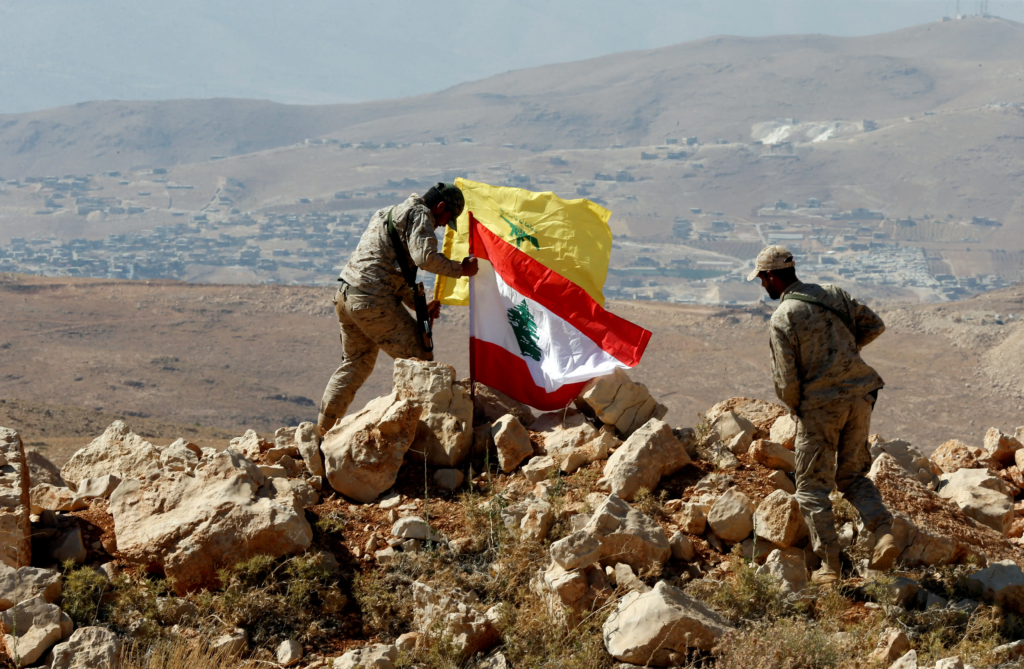
The Hezbollah has strongly condemned the Lebanese government’s reported decision to expel the Iranian ambassador, describing the move as unjustified and driven by external political pressure. The reaction highlights deepening divisions within Lebanon amid a rapidly escalating regional crisis.
In an official statement, Hezbollah criticized the decision as a “dangerous step” that undermines Lebanon’s sovereignty and weakens its diplomatic stance. The group argued that expelling the ambassador of Iran sends the wrong signal at a time when regional tensions are already at a peak.
The controversy comes as Lebanon faces increasing international pressure due to its geopolitical position and Hezbollah’s close ties with Iran. Western and regional powers have long expressed concern over Iran’s influence in Lebanon through Hezbollah, which is both a political party and an armed group with significant military capabilities.
Hezbollah officials emphasized that Iran has historically been a key ally of Lebanon, particularly in terms of military and financial support. They warned that removing the Iranian ambassador could damage bilateral relations and weaken Lebanon’s ability to navigate the current crisis.
On the other hand, the Lebanese government has not yet provided a detailed public explanation for the reported expulsion decision. However, analysts suggest the move may be part of broader efforts to reduce tensions with international actors and avoid deeper involvement in the escalating Iran-Israel conflict.
The situation places Lebanon in a difficult position. On one side, the country faces internal political pressure from groups like Hezbollah, which maintain strong ties with Iran. On the other, it must manage diplomatic relations with Western nations and Gulf countries that oppose Iranian influence in the region.
The decision has also raised concerns about potential internal instability. Lebanon has a complex political system with multiple factions, and actions perceived as favoring one side of regional alliances can quickly lead to political friction or even unrest.
From a regional perspective, the development reflects the broader geopolitical struggle playing out across the Middle East. The conflict between Iran and its adversaries is increasingly influencing domestic decisions in countries like Lebanon, Iraq, and Syria.
International observers are closely monitoring the situation, as any shift in Lebanon’s foreign policy could have ripple effects across the region. The expulsion of a high-level diplomat is a significant step that could escalate diplomatic tensions and impact ongoing negotiations or alliances.
In conclusion, Hezbollah’s strong reaction to Lebanon’s decision to expel the Iranian ambassador underscores the fragile political balance within the country. As regional tensions continue to rise, Lebanon finds itself at the center of competing pressures, with decisions like this carrying far-reaching consequences for both domestic stability and international relations.