Iran’s drone and missile strikes hit residential areas in Manama as Gulf tensions escalate amid the larger Iran–U.S.–Israel conflict
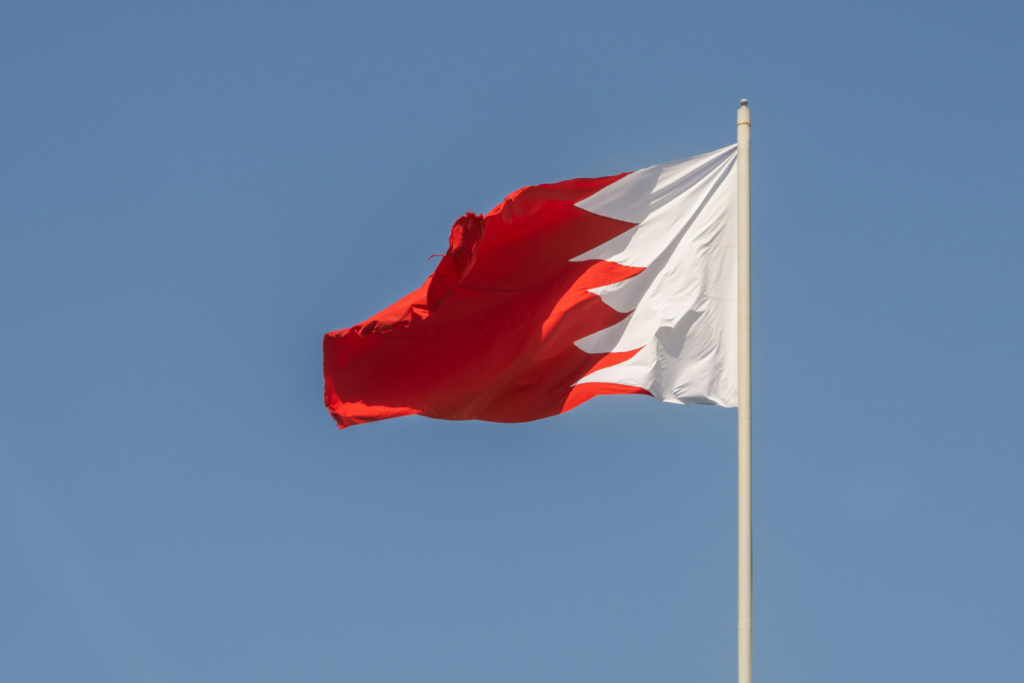
A deadly Iranian attack struck the Kingdom of Bahrain, killing one civilian and injuring multiple others after projectiles hit a residential building in the capital, Manama, the Bahrain Ministry of Interior confirmed on Monday. The latest incident marks one of the most significant civilian casualties in Bahrain since the ongoing Middle East war expanded into Gulf states, highlighting the growing humanitarian toll on non‑combatants and the intensifying risks faced by the region’s population.
According to the ministry’s initial statement, the attack — described as a “blatant Iranian aggression” — targeted a residential structure in Manama, causing fatalities and left others wounded. The ministry advised the public to follow safety protocols and remain in secure locations as authorities continued to investigate the circumstances and provide emergency aid to the victims.
Details of the Attack and Immediate Impact
Bahrain’s Interior Ministry indicated that the attack resulted in one confirmed death and several injuries, though specific numbers of wounded and their conditions are still being assessed by local authorities. The Ministry’s declaration highlighted that the strike hit a civilian area, raising profound concerns about the safety of ordinary citizens amid ongoing regional hostilities.
The fatality reported in Manama follows a series of Iranian drone and missile attacks on Gulf countries that host U.S. military assets and allied infrastructure. Bahrain, a key U.S. partner and home to the headquarters of the U.S. Fifth Fleet, has endured repeated missile and drone threats since the wider conflict erupted.
In addition to the fatal incident in Manama, Bahraini health officials reported at least 32 civilians wounded in separate Iranian drone strikes, including children and individuals in serious condition. These injuries occurred mainly in the Sitra area south of the capital, where residential districts and industrial facilities sustained damage.
Photos and footage shared on social media from Bahrain showed smoke rising over neighborhoods, shattered glass in homes, and local residents rushing to help the wounded — underscoring the severe effects of conflict on civilian infrastructure. Emergency services were deployed to assist those injured, and hospitals across the nation activated trauma units to treat victims.
Regional Context: Iran’s Expanded Military Campaign
Iran’s attack on Bahrain is part of a broader retaliation campaign by Tehran against U.S. and Israeli military operations. Following joint strikes against Iranian strategic sites and leadership, the Islamic Republic has launched waves of ballistic missiles and unmanned aerial vehicles (UAVs) against multiple states across the Gulf. Countries targeted in recent weeks include Saudi Arabia, the United Arab Emirates, Kuwait, Qatar, and Bahrain — many of which host U.S. bases or allied forces.
Bahrain’s government has confirmed that its air defense systems have intercepted numerous missiles and drones in recent days, though debris from interceptions has nonetheless caused damage and contributed to civilian injuries. The Interior Ministry and Ministry of Health have repeatedly condemned the attacks as violations of Bahrain’s sovereignty and breaches of international humanitarian law.
The strike also occurred amid expanding conflict dynamics that have drawn in global actors. The United States and Israel have conducted extensive military operations against Iranian targets, and Tehran’s retaliation has increased the risk of a broader regional confrontation that military analysts warn could destabilize critical energy supply routes and escalate geopolitical rivalries.
Government and Public Reaction
Bahraini authorities reiterated that the safety of civilians remains paramount and emphasized the nation’s commitment to defending its territory and population. The Interior Ministry urged residents to stay informed through official channels and follow security advisories in response to ongoing threats.
Meanwhile, the Ministry of Health detailed the injuries sustained by citizens, ranging from minor wounds to serious conditions requiring surgery. Among those injured were young children and elderly individuals, intensifying public concern over the vulnerability of non‑combatants in the conflict.
Local leaders have appealed for international support and intervention to protect civilian populations from further harm. Across Bahrain, citizens expressed grief and anger over the loss of life and mounting injuries, urging global powers and international organizations to address the crisis and deescalate hostilities.
Humanitarian and Legal Implications
The targeting of residential areas in Bahrain—and civilian casualties more broadly—raises pressing questions about compliance with international humanitarian law and the protection of non‑combatants in wartime. Human rights groups and legal experts have condemned such attacks, arguing that they violate foundational rules of armed conflict which mandate the distinction between military and civilian targets.
International bodies including the United Nations have increasingly called for restraint and dialogue, warning that sustained attacks on civilian populations risk aggravating human suffering and fueling a cycle of retaliation that could shatter regional stability.
Looking Ahead: Escalation Risks and Diplomatic Pressure
As Iran’s drone and missile campaign continues, Gulf nations remain on high alert. Bahrain’s civilian casualties are a stark reminder of the broader human cost of the war and the precarious security environment facing populations across the region. Diplomats from affected countries are engaging in urgent discussions to seek ceasefire mechanisms and avenues for diplomatic negotiation to curb the spread of violence.
With tensions at a historic high and no clear end to the conflict in sight, the international community faces mounting pressure to intervene before further loss of life occurs. The incident in Manama underscores the urgency of global action to protect civilians and restore peace in a region now grappling with the devastating repercussions of sustained military hostilities.