North Korea’s Bold Statement on Iran: What Does Kim Jong Un’s Offer of Missiles to Iran Mean for Global Security?
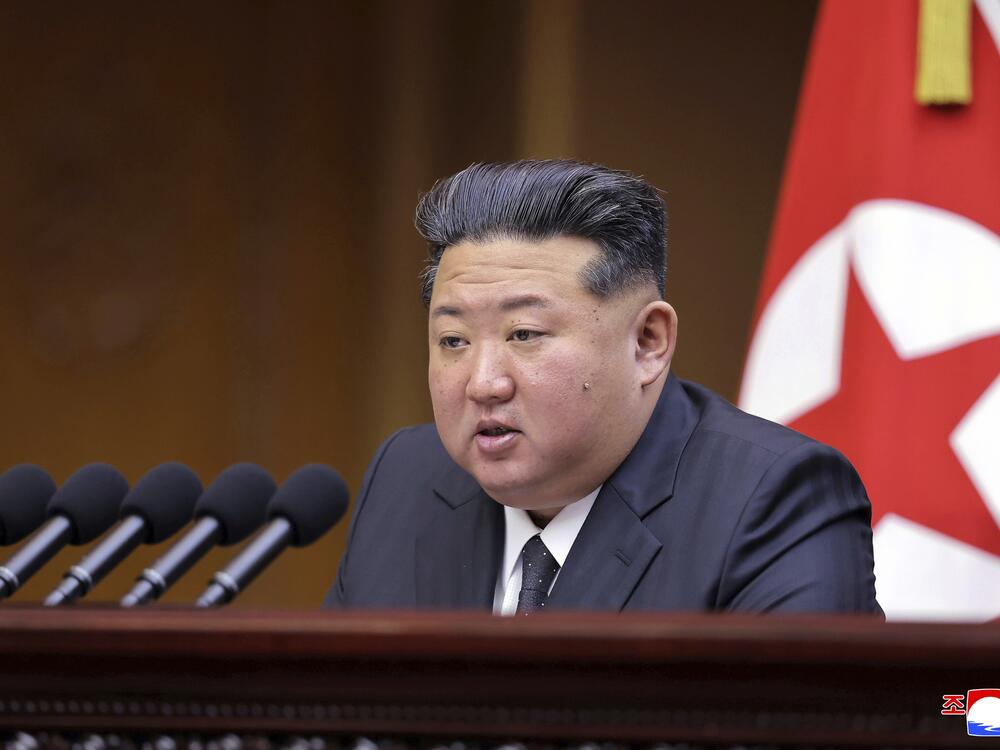
Introduction: Kim Jong Un’s Provocative Statement to Iran
In a recent provocative statement, North Korean leader Kim Jong Un has publicly declared that if Iran requests it, his regime will provide the country with missiles capable of targeting Israel, stating that “one missile is enough to erase it.” This chilling rhetoric comes at a time of rising tensions in the Middle East, with ongoing hostilities between Israel and Iran and the broader regional instability involving proxy wars, nuclear ambitions, and military buildups.
Kim Jong Un’s remark serves as a direct challenge to the international community, raising alarms about the potential for further escalation in the volatile Middle East and beyond. The North Korean leader’s offer to supply Iran with missile technology further complicates the already fragile security situation in the region. It also underscores the growing alliance between North Korea and Iran, two countries that have long faced international sanctions and isolation.
The Context of Kim Jong Un’s Statement
Kim Jong Un’s statement is far from an isolated incident. North Korea has consistently defied global sanctions and has developed a robust missile program. Over the years, the country has advanced its capabilities in missile technology, ranging from short-range ballistic missiles to intercontinental ballistic missiles (ICBMs). The North Korean regime has often tested these missiles, despite widespread condemnation from the international community.
Iran, too, has made significant strides in developing its own missile technology, which has raised concerns worldwide, particularly in the context of its nuclear ambitions. In recent years, the Iranian government has ramped up its missile production, which is often seen as a way for Iran to assert its power in the region while circumventing international sanctions.
Kim Jong Un’s comment about providing missiles to Iran signals a deeper alliance between the two nations. While North Korea has long supported Iran’s nuclear and missile programs, this public statement underscores the growing cooperation between the two countries, particularly in terms of military and technological assistance.
Iran’s Relationship with North Korea: A Partnership of Convenience
Iran and North Korea have a history of cooperation, particularly in the realm of missile technology. Both nations are under heavy sanctions from the United Nations, and both have sought to develop weapons as a means of asserting their sovereignty and challenging international pressure. In fact, North Korea has been accused of providing Iran with assistance in the development of ballistic missile systems, with reports suggesting that North Korean experts have traveled to Iran to help with missile testing and infrastructure.
This strategic partnership is rooted in a shared desire to resist Western pressure, particularly from the United States. Both nations view the U.S. as a major adversary, and their military cooperation is seen as a way to counterbalance American influence in the region. Additionally, both Iran and North Korea are heavily reliant on military power as a means of deterring foreign intervention, given their respective geopolitical positions.
By offering missiles to Iran, Kim Jong Un may be signaling not only support for Iran’s defense capabilities but also a deeper alignment between the two countries in challenging the Western-led order. This alliance may also have broader implications for the global security environment, particularly in relation to Israel and the United States.
The Geopolitical Implications of Kim Jong Un’s Statement
- Escalation of Middle East Tensions: Kim Jong Un’s offer to supply Iran with missiles capable of striking Israel comes at a time when the Middle East is already in turmoil. Israel and Iran are engaged in a tense standoff, with Iran backing militias that target Israeli interests across the region, from Syria to Lebanon and Gaza. If Iran were to acquire advanced missile technology from North Korea, it could significantly alter the balance of power in the region, making the threat of an Israeli attack even more plausible.
- Israel’s Response to the Threat: Israel has long seen Iran as its greatest regional threat, particularly due to Iran’s nuclear program and its support for groups like Hezbollah and Hamas. Israel has made it clear that it will not tolerate a nuclear-armed Iran and has taken steps to prevent Iran from obtaining nuclear weapons. However, the addition of advanced missile technology from North Korea could further complicate Israel’s defense strategy. Israel may be forced to consider new defense measures, including anti-missile systems and diplomatic efforts to counter the growing threat.
- Global Security Concerns: Kim Jong Un’s statement raises concerns beyond the Middle East. If North Korea is willing to share missile technology with Iran, it could open the door for other countries or non-state actors to seek similar support. This has the potential to lead to the proliferation of advanced missile systems, which could fall into the hands of terrorist organizations or rogue states. The international community has worked for years to curb the spread of such technology, and Kim Jong Un’s comments could undermine these efforts, leading to a more dangerous and unpredictable world.
- U.S.-Iran and U.S.-North Korea Relations: The United States has long been at odds with both Iran and North Korea. Kim Jong Un’s statement comes just as U.S.-Iran relations are at a low point, with President Biden’s administration attempting to negotiate a return to the Iran nuclear deal. The U.S. is also deeply involved in denuclearization talks with North Korea, although those efforts have largely stalled. If North Korea continues to arm Iran with advanced missile technology, it could lead to a further deterioration of U.S.-North Korea relations and complicate U.S. foreign policy in the region.
The Risk of Nuclear Proliferation
The most alarming aspect of Kim Jong Un’s comment is the potential for nuclear proliferation. Both North Korea and Iran are countries of interest to the global community due to their nuclear ambitions. North Korea has already successfully developed nuclear weapons and continues to conduct nuclear tests in defiance of international sanctions. Iran, while maintaining that its nuclear program is for peaceful purposes, has been accused of secretly advancing toward nuclear weapons capability.
If Iran were to obtain advanced missile systems from North Korea, it could enhance its ability to deliver a nuclear payload, should it decide to pursue such a weapon. The combination of missile technology and a potential nuclear program would significantly increase the threat posed by Iran to Israel and other nations in the region.
Conclusion: A Dangerous Alliance with Global Consequences
Kim Jong Un’s public offer to provide missiles to Iran represents a dangerous escalation in the already volatile Middle East. The growing alliance between North Korea and Iran could destabilize the region further, leading to heightened tensions between Israel, the U.S., and Iran. As both nations continue to defy international sanctions and seek to advance their military capabilities, the global community faces a growing risk of nuclear proliferation and regional conflict.
As world powers work to contain the threat posed by both Iran and North Korea, the need for diplomatic engagement, military deterrence, and regional cooperation has never been more critical. The repercussions of this alliance could be felt far beyond the Middle East, potentially reshaping the global security landscape for years to come.