CENTCOM reports massive bombardment campaign as Operation Epic Fury intensifies in the Middle East conflict
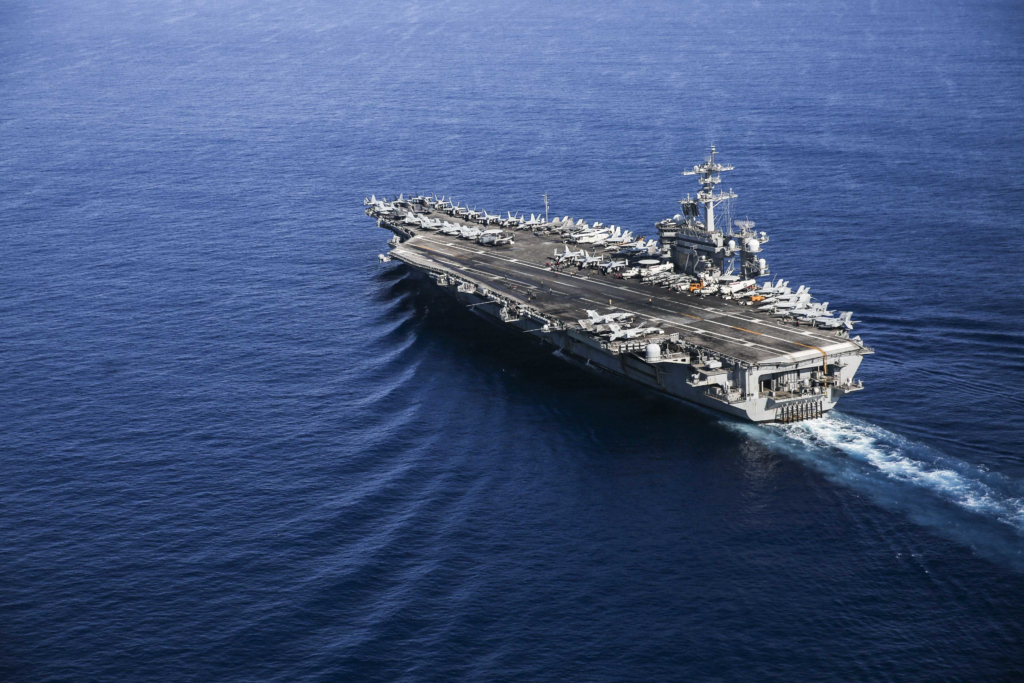
The United States military has announced that it has struck over 5,000 targets in Iran during the first 10 days of the ongoing Iran war, marking one of the most extensive bombardment campaigns in recent Middle Eastern military history. According to a U.S. Central Command (CENTCOM) fact sheet, the strikes targeted a wide array of Iranian military capabilities — from weapons factories and ballistic missile launch sites to naval vessels and air‑defense systems — as Washington and its allies push to degrade Tehran’s ability to project power.
Massive Military Campaign Intensifies
The campaign — dubbed Operation Epic Fury by U.S. military leaders — represents an extraordinary escalation in the conflict that erupted on February 28, 2026, when the United States and Israel launched coordinated strikes against Iranian military and strategic infrastructure. Since then, the U.S. has mobilized a formidable force including bombers, fighter jets, naval assets, and precision munitions to pursue a comprehensive degradation strategy aimed at weakening Iran’s military infrastructure and deterrent capacity.
CENTCOM’s statement emphasized that the 5,000+ targets included a broad spectrum of Iranian installations, such as ballistic missile silos, drone factories, air‑defense sites, military communications facilities, and naval bases. It also counted more than 50 Iranian vessels struck, including warships and auxiliary craft, underscoring the campaign’s maritime dimension. The strikes have sought to limit Iran’s ability to launch its own missile and drone attacks across the region.
Strategic Aims of Operation Epic Fury
U.S. military leadership has repeatedly stated that the operation’s goals go beyond tactical battlefield victories. According to defense officials, the aim is to cripple Iran’s ability to threaten U.S. forces, allies, and global commerce, particularly through its missile and drone arsenal. This includes destroying command‑and‑control centers, disabling air defenses, and targeting facilities that support Iran’s ballistic missile program. Earlier phases of the operation reportedly demolished a large portion of Iran’s navy and air force assets, shrinking their operational capabilities.
The strategy has also combined precision strikes with sustained aerial and naval firepower, incorporating long‑range bombers and advanced guided munitions. In the first 100 hours alone, U.S. forces reportedly struck nearly 2,000 targets, including missile launchers and air defenses deep inside Iranian territory. The campaign has involved tens of thousands of U.S. and allied personnel across multiple fronts.
Impact and Regional Dynamics
The scale of strikes has underscored the conflict’s rapid escalation into a major military confrontation with widespread regional implications. Iranian retaliatory missile and drone attacks have targeted U.S. bases and allied infrastructure in countries including Bahrain, Kuwait, the United Arab Emirates, Qatar, and Saudi Arabia, often prompting air‑defense responses. These back‑and‑forth exchanges have contributed to civilian casualties and infrastructure damage across the Gulf.
Global energy markets have also felt the effects of the conflict, as fears of supply disruptions around the Strait of Hormuz — a vital oil transit route — have driven volatility in crude prices. International shipping and trade routes continue to face heightened risk amid ongoing hostilities.
Casualties and Humanitarian Concerns
Human rights organizations and news agencies report that civilian populations in Iran have borne part of the human cost of the campaign, with significant casualties in Tehran and other populated cities. According to Iran’s health ministry figures cited by international media, more than 1,300 people, including children, have been killed, with thousands more wounded in the first days of U.S.–Israeli strikes. These figures fuel global concern over the humanitarian impact of intensive bombardment in urban centers.
The United States and Israel maintain that military objectives are focused on degrading threats rather than targeting civilians, though critics argue the scale of operations and reported civilian harm raise profound ethical and legal questions.
Political and Diplomatic Reactions
The large‑scale strikes have drawn mixed reactions across the international community. Western allies have largely reiterated support for efforts to neutralize Iranian threats, while urging restraint to avoid a wider, protracted war. Conversely, Tehran’s allies and many global actors have condemned the U.S.–Israel military campaign as disproportionate and destabilizing, calling for diplomatic engagement and ceasefire negotiations.
As the conflict extends beyond 10 days, U.S. officials continue to assert that overwhelming pressure will force Iran to halt hostilities and potentially agree to terms that significantly limit its military capabilities. President Trump has indicated optimism that the war may conclude soon, citing the heavy attrition inflicted on Iran’s armed forces and leadership — though analysts warn that sustained military campaigns often evolve into prolonged conflicts.
Looking Ahead
The announcement that over 5,000 targets have been struck reflects both the scale and intensity of the military campaign in the Middle East. With no clear end to the war in sight, the emphasis now shifts to how both sides will respond in the coming weeks — whether military escalation continues, or diplomatic pathways emerge to prevent further regional instability.