Islamic Revolutionary Guard Corps asserts strategic control over Iran’s war trajectory, warning of prolonged confrontation with U.S. and Israeli forces
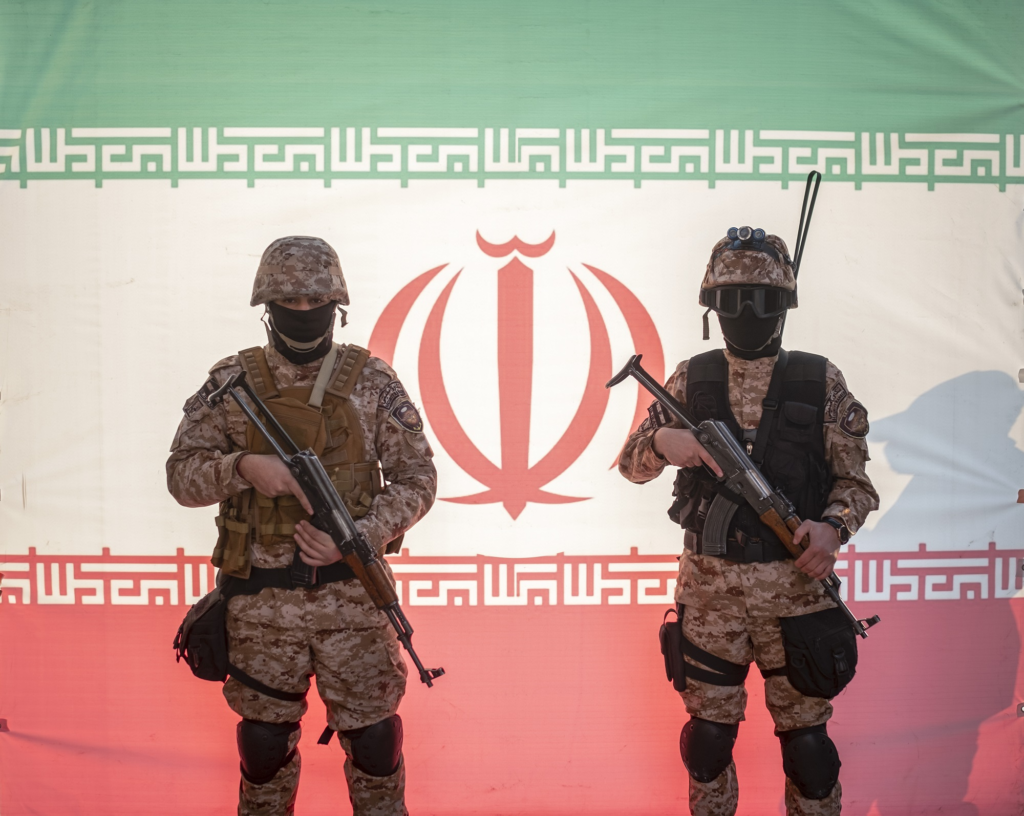
Iran’s Islamic Revolutionary Guard Corps (IRGC) has made a defiant public declaration that it will “determine the end of the war,” underscoring Tehran’s determination to play a central role in shaping the final outcome of the ongoing conflict with the United States and Israel. The statement — made amid clashes that have stretched across multiple fronts in the Middle East — reflects the Guards’ rising influence over Iran’s military strategy and highlights Tehran’s readiness for a sustained confrontation that could have far‑reaching geopolitical and humanitarian consequences.
Statement From the Guards and Context of the Conflict
The IRGC’s recent pronouncement came in direct response to comments from U.S. leaders suggesting that Iran’s military capabilities have been weakened and that the war might soon end. The Guards’ claim that they will determine when and how the conflict ends represents a bold rebuttal to Western assertions and communicates Tehran’s unwavering resolve.
This declaration must be understood within the broader context of the 2026 Iran war, which erupted after a large‑scale U.S.–Israeli strike targeted Iranian military and strategic infrastructure. That attack resulted in the death of Iran’s long‑time Supreme Leader, Ayatollah Ali Khamenei, and propelled the Islamic Republic into one of the most severe regional conflicts in recent history. In the ensuing days, Iran has launched waves of missile and drone strikes aimed at U.S. bases, Israeli territory, and Gulf states hosting foreign troops, while the United States and its allies have conducted extensive aerial bombardments of Iranian sites.
Role of the Revolutionary Guards in the Conflict
The IRGC has emerged as one of the dominant forces directing Iran’s wartime strategy and operational decisions. According to multiple reports, the Guards have not only led major missile and drone operations but have also played a central role in coordinating responses across multiple fronts. In recent statements, the IRGC spokesman emphasized that Iran’s elite military force is capable of sustaining an “intense war” for at least six months, reinforcing the idea that Tehran does not intend to back down quickly.
The Guards’ ability to continue prolonged conflict is bolstered by decades of investment in asymmetric warfare capabilities, including ballistic missiles, unmanned aerial vehicles (UAVs), and decentralized command structures. Unlike traditional armies, the IRGC specializes in long‑range attacks and proxy network coordination — skills that have allowed Iran to target multiple countries simultaneously without relying solely on conventional troop deployments.
Strategic Messaging: Determining the End of the War
By asserting that it will “determine the end of the war,” the IRGC is signaling several key strategic messages:
- Autonomy in Decision‑Making: Tehran is asserting that the conclusion of the war will be decided on its own terms, not dictated by foreign governments or conditional on external pressures.
- Psychological Warfare: The declaration seeks to project confidence and resolve — signaling to both domestic and international audiences that Iran remains unbowed despite sustained offensive operations by U.S. and Israeli forces.
- Regional Influence: The Guards are reinforcing their position not just as a military arm but as a key arbiter of Iran’s geopolitical direction, further blurring the lines between military power and political authority within the Islamic Republic.
- Long‑Term Commitment: The statement underscores Iran’s preparedness for a protracted conflict — particularly in light of its ability to wage intense war for months rather than days or weeks.
Domestic and Regional Reactions
Within Iran, the IRGC’s stance has been amplified through state media and official channels, projecting unity behind the leadership transition and hardline strategy. As Iran continues to face a sustained campaign of U.S. and Israeli strikes, there are signs that the military establishment has consolidated power and embraced a warfare mindset that accepts high levels of domestic sacrifice and extended conflict. Analysts note that this posture may reflect internal dynamics that prioritize regime survival over diplomatic compromise.
Regionally, Tehran’s declaration has raised alarms among Gulf states and Western allies. Countries such as Saudi Arabia, the United Arab Emirates, Bahrain, Qatar, and Kuwait have boosted air defenses and coordinated with the U.S. military to intercept Iranian missiles and drones, highlighting fears that the conflict could engulf the wider Gulf region.
Humanitarian and Global Implications
The prospect of a prolonged war carries significant humanitarian costs. The conflict has already resulted in widespread displacement, civilian casualties, and infrastructure damage across Iran and neighboring states. Continued hostilities could further destabilize the region, disrupt global oil markets — especially in the Strait of Hormuz — and pose complex challenges for international humanitarian agencies seeking access to affected populations.
Global powers have urged restraint, though divisions persist over how best to de‑escalate the crisis. While some factions call for diplomatic engagement to forestall further destruction, Tehran’s leadership — backed by the IRGC’s strong language — appears to be embracing a wartime strategy that prioritizes military endurance over negotiation.
Looking Ahead: What It Means for the War’s Outcome
The IRGC’s statement that it will “determine the end of the war” marks a distinct shift in rhetoric and strategic posture by Tehran. It highlights Iran’s readiness to continue fighting even as external pressure mounts and underscores the army’s commitment to shaping not only battlefield tactics but the political contours of post‑war settlement.
Whether this declaration reflects confidence or defiance, it is clear that Iran’s Revolutionary Guards view themselves as central architects of the conflict’s trajectory. For observers of the Middle East war, this signals that the conflict may not conclude quickly or easily — and that any negotiated outcome is likely to be heavily influenced by Tehran’s military leadership rather than solely by negotiations with Western powers or regional stakeholders.