Massive civilian exodus across Lebanon as Israeli strikes and evacuation orders trigger one of the largest displacement waves in recent Middle East conflicts
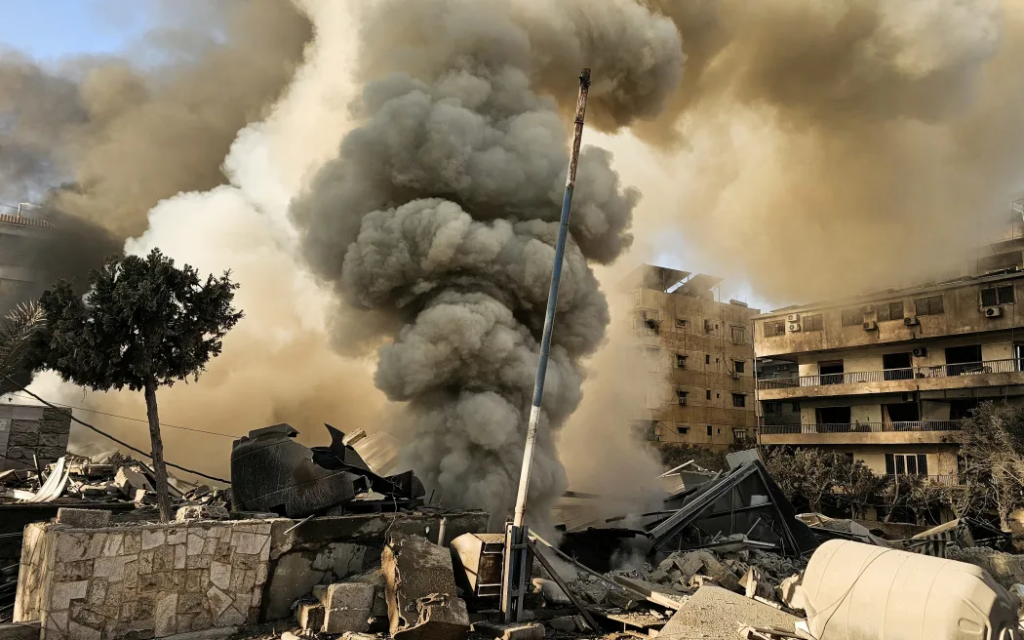
The ongoing war between Israel and Hezbollah has triggered a massive humanitarian crisis in Lebanon, with approximately 760,000 Lebanese civilians displaced from their homes as Israeli airstrikes intensify across the country. According to Lebanese government officials and United Nations agencies, the scale of displacement has surged dramatically in recent days as fighting escalates alongside the broader regional conflict involving Iran, Israel, and the United States. The massive displacement wave represents one of the largest population movements in Lebanon since previous regional wars and has placed enormous pressure on the country’s already fragile infrastructure and humanitarian resources.
The displacement crisis has unfolded rapidly as Israeli military operations expanded across southern Lebanon, the Beqaa Valley, and the southern suburbs of Beirut—areas widely considered strongholds of the Iran-backed Hezbollah movement. Israeli officials say the strikes are aimed at destroying Hezbollah’s military infrastructure, including rocket launch sites, command centers, and weapons depots. However, the intensity of the bombardment and widespread evacuation warnings issued to civilians have forced hundreds of thousands of people to flee their homes in search of safety.
Lebanese authorities report that more than 759,000 people have registered as displaced, with many fleeing their homes within a matter of days as the fighting intensified. Thousands of families have sought shelter in schools, public buildings, and government-designated emergency shelters, while others have taken refuge with relatives or moved to safer areas in northern Lebanon and Beirut. Officials say that over 580 shelters have been established nationwide, but many are already operating near capacity as the influx of displaced families continues.
International humanitarian organizations have warned that the situation is quickly becoming critical. United Nations agencies estimate that hundreds of thousands of civilians have been uprooted in less than a week, with many leaving their homes with little more than the clothes they were wearing. The sudden displacement has also disrupted essential services across large parts of Lebanon, including healthcare facilities, schools, and transportation networks.
Hospitals in several regions have reportedly been damaged or forced to shut down due to the fighting. Aid organizations say that at least five hospitals are no longer operational while several others have been partially damaged, making it increasingly difficult to treat the wounded or provide routine medical care. The crisis is particularly severe in southern Lebanon, where heavy Israeli airstrikes have targeted areas near the border with Israel, prompting large-scale evacuations of villages and towns.
The displacement crisis is unfolding in a country already struggling with severe economic and political instability. Lebanon has been facing one of the worst financial crises in modern history, with widespread poverty, high unemployment, and collapsing public services. Humanitarian agencies warn that the sudden arrival of hundreds of thousands of displaced civilians could overwhelm the country’s fragile support systems.
Many displaced families have been forced to sleep in overcrowded shelters, vehicles, or temporary camps. Food shortages, limited access to clean water, and poor sanitation conditions are becoming increasingly serious concerns as the number of displaced civilians continues to rise. Aid workers say that without urgent international assistance, the humanitarian situation could deteriorate rapidly in the coming weeks.
The conflict that triggered the mass displacement began when Hezbollah launched rockets and drones toward Israeli territory in response to the escalating regional war involving Iran. Israel responded with large-scale airstrikes across Lebanon aimed at weakening Hezbollah’s military capabilities and preventing further attacks on Israeli cities. The Israeli military has also issued evacuation warnings to residents of several towns and neighborhoods suspected of hosting Hezbollah infrastructure, further accelerating the movement of civilians fleeing combat zones.
Analysts say the situation could worsen if the fighting expands further or turns into a full-scale ground war. Lebanon’s government has already appealed for urgent international aid, warning that the country does not have the resources to manage such a massive displacement crisis on its own.
Regional tensions also remain extremely high, as Hezbollah continues launching rockets into northern Israel while Israel carries out additional strikes across Lebanese territory. Military experts warn that the conflict could escalate further if Iran or other allied groups become more directly involved in the fighting.
For the hundreds of thousands of Lebanese civilians now displaced by the war, the immediate priority is survival and safety. But with no clear end to the conflict in sight, many families face the grim reality that they may remain displaced for months—or even years—before they can safely return home. The growing humanitarian emergency in Lebanon is now emerging as one of the most serious consequences of the escalating Middle East war.