Washington escalates pressure on Colombia’s most powerful criminal network by labeling it a terrorist group, expanding sanctions and enforcement powers
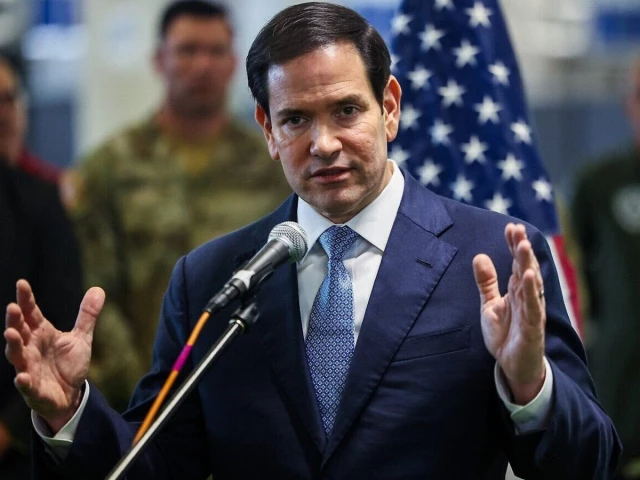
The United States has officially designated Colombia’s largest drug-trafficking gang as a terrorist organization, marking a significant escalation in Washington’s approach to combating transnational criminal networks in Latin America. The move allows US authorities to deploy broader legal, financial, and security measures against the group,
which has long been accused of controlling major cocaine trafficking routes, engaging in violent intimidation, and undermining state authority across large parts of Colombia. US officials said the designation reflects the gang’s increasing use of terror-style tactics and its growing threat to regional and international security.
According to the US government, the criminal organization operates as more than a traditional drug cartel, maintaining armed units, extortion networks, and territorial control similar to insurgent groups. Officials argue that its activities go beyond narcotics trafficking, involving assassinations, forced displacement of civilians, recruitment of minors, and systematic violence against law enforcement and local communities. By classifying the group as a terrorist entity, the US gains expanded authority to freeze assets, prosecute supporters, restrict travel, and pursue international cooperation against anyone providing material assistance.
The designation is expected to significantly intensify financial pressure on the gang. US agencies can now target banks, shell companies, and individuals suspected of laundering money on its behalf. American officials emphasized that the measure is designed to disrupt the group’s global financial networks, which stretch beyond Colombia into Central America, the Caribbean, and the United States. Analysts say cutting off access to international banking systems could weaken the gang’s ability to pay fighters, purchase weapons, and move drugs across borders.
Colombian authorities acknowledged the US decision, describing it as a powerful signal of international support in the fight against organized crime. The gang has been a major obstacle to peace and security in Colombia, particularly in rural regions where state presence remains limited. Despite years of military operations and peace initiatives, the group has continued to expand its influence, often filling power vacuums left by demobilized rebel factions. Security experts say the terrorist designation reflects frustration with the group’s resilience and adaptability.
The move also has political and legal implications for Colombia’s internal conflict strategy. In recent years, Colombian governments have debated whether to treat powerful criminal groups as political actors eligible for negotiations or as purely criminal organizations subject to force. The US decision clearly frames the gang as a security threat rather than a negotiating partner, potentially complicating any future peace or demobilization talks. Critics argue that labeling criminal groups as terrorists could harden positions on both sides and reduce incentives for disarmament.
Human rights organizations have expressed mixed reactions to the designation. Some welcomed the move as a necessary step to confront extreme violence and protect civilians, particularly in regions where communities live under constant threat from armed gangs. Others warned that expanding counterterrorism frameworks into anti-drug operations could increase militarization and risk civilian harm if not carefully implemented. They urged both governments to ensure that security operations respect human rights and international law.
US officials stressed that the designation does not target Colombia as a country but rather aims to strengthen bilateral cooperation against organized crime. Washington and Bogotá have long collaborated on counternarcotics efforts, intelligence sharing, and security assistance. The new classification is expected to deepen coordination between law enforcement agencies, including joint investigations, extraditions, and surveillance of cross-border trafficking routes.
Experts note that the decision reflects a broader shift in US drug policy, increasingly framing major trafficking organizations as national security threats rather than solely criminal enterprises. Similar approaches have been discussed in relation to powerful gangs and cartels in other parts of Latin America. Supporters argue that this strategy provides stronger legal tools, while critics caution that it risks blurring the line between crime control and counterterrorism.
In conclusion, the US designation of Colombia’s largest drug-trafficking gang as a terrorist organization represents a major escalation in the international fight against organized crime. The move expands enforcement powers, tightens financial restrictions, and sends a clear political message about Washington’s priorities in the region. While the long-term impact remains uncertain, the decision underscores growing concerns about the convergence of drug trafficking, armed violence, and territorial control. As implementation begins, attention will focus on whether the designation weakens the gang’s influence—or further complicates Colombia’s already complex security landscape.