Ballistic missile strike near Beit Shemesh triggers sirens, casualties, and renewed fears of escalation in the Middle East conflict
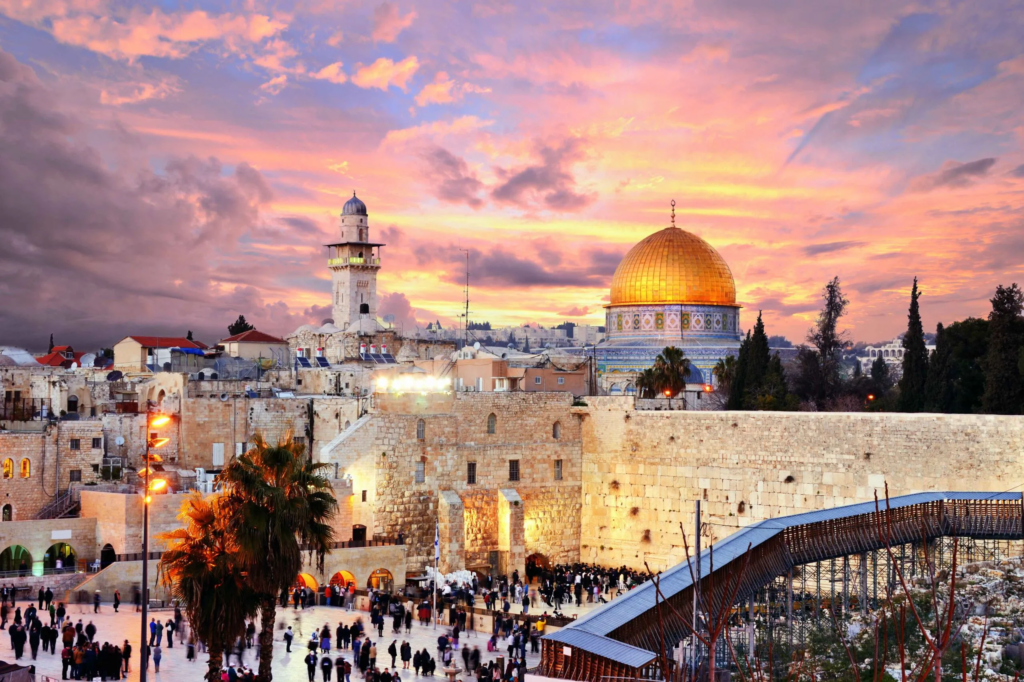
An Iranian missile fell west of Jerusalem during a new wave of retaliatory strikes targeting Israel, marking another dramatic escalation in the ongoing Iran–Israel war. The missile reportedly struck near the city of Beit Shemesh, a town located roughly 30 kilometers west of Jerusalem, causing casualties and widespread alarm among residents as air-raid sirens echoed across central Israel. The incident highlights the growing intensity of missile exchanges between Iran and Israel as the conflict expands across the Middle East.
According to Israeli emergency services and media reports, the missile impact resulted in several casualties and significant damage to nearby buildings. Rescue teams from Israel’s Magen David Adom emergency service rushed to the scene after reports that a missile struck a residential area and a shelter where civilians had taken cover during the air-raid alert. Early reports indicated that at least nine people were killed and dozens injured, making it one of the deadliest single missile strikes since the beginning of the conflict.
Witnesses described a massive explosion followed by thick smoke rising above the town shortly after warning sirens sounded across Jerusalem and surrounding communities. Israeli air defense systems, including the Arrow and Iron Dome, attempted to intercept the incoming missile, but at least one projectile managed to penetrate the defensive shield and hit its target area. The attack demonstrated the limits of even advanced missile-defense systems when faced with large-scale ballistic missile barrages.
The strike is part of a broader retaliatory campaign launched by Iran following joint U.S. and Israeli military operations targeting Iranian nuclear and military infrastructure. In late February, Israeli and American forces carried out coordinated airstrikes inside Iran, killing several high-ranking officials including Iran’s Supreme Leader Ayatollah Ali Khamenei. Tehran vowed immediate retaliation, launching waves of ballistic missiles and drones against Israeli territory and U.S. military installations across the region.
Since the start of the confrontation, Iran has deployed a range of advanced missile systems, including long-range ballistic missiles capable of reaching deep into Israeli territory. Many of these missiles carry powerful conventional warheads, while some reportedly include cluster munitions designed to disperse multiple smaller explosives over a wide area, increasing the potential for widespread damage and civilian casualties.
The missile strike west of Jerusalem triggered immediate emergency responses across central Israel. Israeli police sealed off the affected area while bomb disposal units searched for unexploded fragments and potential secondary threats. Hospitals in Jerusalem and surrounding districts were placed on high alert to receive injured civilians, while firefighters battled blazes caused by the explosion.
Residents of Beit Shemesh described scenes of panic as the attack unfolded. Many families had rushed into reinforced shelters after sirens sounded, but the missile reportedly struck a location close to one such shelter. Rescue teams worked through debris to locate survivors and evacuate the wounded, with dozens of emergency personnel participating in the operation.
Israeli officials condemned the attack as a deliberate strike against civilian areas. Government representatives said Iran’s missile campaign is aimed at terrorizing the Israeli population and disrupting daily life in major population centers. Israeli military leaders vowed a strong response, promising that additional strikes on Iranian military infrastructure would follow.
Meanwhile, Iranian authorities have defended the missile attacks as legitimate retaliation against what they describe as “aggression” by Israel and the United States. Iranian officials argue that their missile operations target military installations and strategic sites rather than civilians, though the proximity of many targets to populated areas has resulted in civilian casualties.
Security analysts warn that the missile strike near Jerusalem demonstrates how the conflict is rapidly evolving into a direct confrontation between two regional powers with advanced missile arsenals. Iran is believed to possess thousands of ballistic and cruise missiles capable of striking Israeli cities, while Israel maintains one of the world’s most sophisticated missile defense networks.
Despite those defenses, the sheer volume of missiles launched during coordinated barrages can overwhelm interception systems. Military experts say even a small number of missiles penetrating the defense network can cause significant damage in densely populated areas.
The attack has also raised concerns among international observers about the possibility of further escalation across the region. Neighboring countries, including Lebanon, Syria, and Iraq, are closely monitoring developments, while Iran-aligned groups such as Hezbollah and the Houthis have already launched their own attacks against Israeli and Western targets.
As rescue teams continue searching the rubble in Beit Shemesh and surrounding areas, the missile strike west of Jerusalem stands as a stark reminder of the growing dangers facing civilians across the Middle East. With both Iran and Israel pledging to continue military operations, the risk of further missile attacks on major cities remains extremely high.