Northern Israeli city placed on high alert as rocket barrage from Lebanon intensifies cross-border fighting
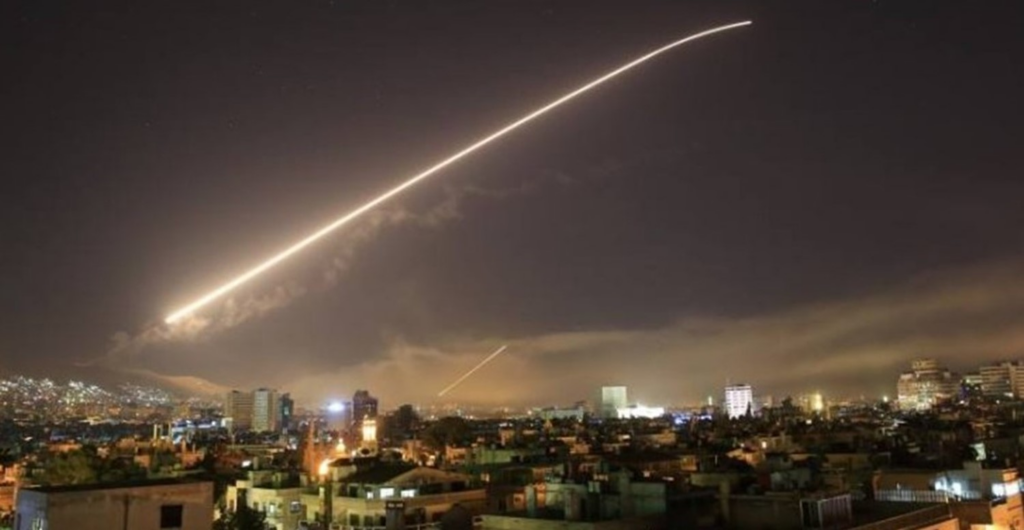
Air-raid sirens sounded across the northern Israeli city of Kiryat Shmona after rockets were launched from southern Lebanon, according to Israeli military and media reports. The alert forced residents in the border region to rush into shelters as Israel’s early-warning system detected incoming projectiles fired by the Lebanese armed group Hezbollah. The incident marks another escalation along the volatile Israel–Lebanon border as hostilities expand amid the broader Middle East war.
The Israeli military confirmed that several rockets were fired toward communities in the Upper Galilee region, including Kiryat Shmona and nearby towns. The alarms were triggered shortly after launch detection systems identified the incoming threats. While some rockets were reportedly intercepted by air-defense systems, others fell in open areas near the city. Initial reports indicated that no immediate casualties were recorded, though authorities urged residents to remain close to protected areas.
Rockets Launched From Lebanon
According to regional reports, Hezbollah militants fired multiple rockets from positions in southern Lebanon toward Israeli territory. The launches are part of a growing pattern of cross-border attacks since the outbreak of the regional conflict involving Iran, Israel, and the United States.
Hezbollah’s armed wing, often referred to as the Islamic Resistance, has repeatedly stated that its rocket launches are aimed at Israeli military sites and border positions. However, the proximity of northern Israeli towns such as Kiryat Shmona to the Lebanese border means that civilian communities are frequently affected by rocket alerts and defensive interceptions.
The Israeli Defense Forces (IDF) said its monitoring systems detected the launches and activated the country’s Home Front Command alert system, which triggers sirens and sends warnings to residents via mobile alerts and broadcast messages.
Strategic Importance of Kiryat Shmona
Kiryat Shmona is located in northern Israel near the Lebanese border and has long been considered one of the most vulnerable Israeli cities during periods of conflict with Hezbollah. Because of its location just a few kilometers from southern Lebanon, the city often experiences rocket attacks and sirens whenever cross-border fighting erupts.
During previous conflicts, including the 2006 Lebanon war and later border escalations, Kiryat Shmona residents regularly sought shelter during rocket barrages. The city’s population of roughly 25,000 people relies heavily on early-warning systems and reinforced shelters to protect civilians from incoming projectiles.
The latest rocket alert demonstrates how quickly tensions along the border can flare even when the primary focus of the war is elsewhere in the region.
Wider Context: Israel–Hezbollah Border Conflict
The rocket fire comes amid an intensifying confrontation between Israel and Hezbollah that has been running alongside the wider regional war involving Iran.
Following the assassination of Iran’s Supreme Leader earlier in the conflict, Hezbollah announced that it would increase military operations against Israel as part of what it describes as a broader resistance campaign. In response, Israel launched extensive airstrikes on Hezbollah infrastructure in southern Lebanon and the southern suburbs of Beirut.
Israeli military officials say they have struck hundreds of Hezbollah positions, including weapons depots, command centers, and rocket-launching sites. Meanwhile, Hezbollah continues to launch rockets, drones, and artillery toward Israeli border communities and military bases.
Some reports suggest that Hezbollah has fired dozens to nearly one hundred rockets and drones during recent attacks targeting northern Israel.
Military Response and Defensive Measures
Following the rocket launches, the Israeli military deployed additional defensive measures across northern Israel. Air-defense systems such as Iron Dome were activated to intercept incoming projectiles. Israeli emergency services and security forces were also dispatched to affected areas to search for rocket debris and assess potential damage.
Authorities instructed residents to remain in shelters until the military confirmed that the threat had passed. Schools and public gatherings in some border communities were temporarily suspended as a precaution.
At the same time, Israeli forces have continued conducting airstrikes against suspected Hezbollah launch sites in southern Lebanon, part of what officials describe as a strategy to prevent further attacks on Israeli territory.
Regional Security Concerns
The rocket attack highlights how the Israel–Lebanon border has become a secondary front in the broader Middle East war. Analysts warn that ongoing rocket exchanges between Israel and Hezbollah could quickly escalate into a larger conflict involving ground operations or expanded military campaigns.
The presence of powerful rocket arsenals on both sides increases the risk of rapid escalation. Hezbollah is believed to possess tens of thousands of rockets and missiles capable of reaching deep into Israeli territory, while Israel maintains advanced air-defense systems and a powerful air force capable of striking across Lebanon.
In recent weeks, international leaders and humanitarian organizations have warned that sustained fighting between Israel and Hezbollah could lead to widespread civilian displacement and infrastructure destruction in both countries.
A Region on Edge
The sirens in Kiryat Shmona illustrate how quickly tensions can erupt along one of the Middle East’s most sensitive borders. For residents of northern Israel, the sound of warning alarms has once again become a routine part of daily life as the conflict continues.
While the latest rocket attack did not immediately result in casualties, it underscores the fragile security situation in the region and the possibility that the Israel–Hezbollah confrontation could intensify further in the coming days.
As military operations continue across multiple fronts in the Middle East, the border between Israel and Lebanon remains one of the most dangerous flashpoints in an already volatile regional war.