Brussels stresses Iranian people must determine their own leadership as global debate over Middle East conflict intensifies
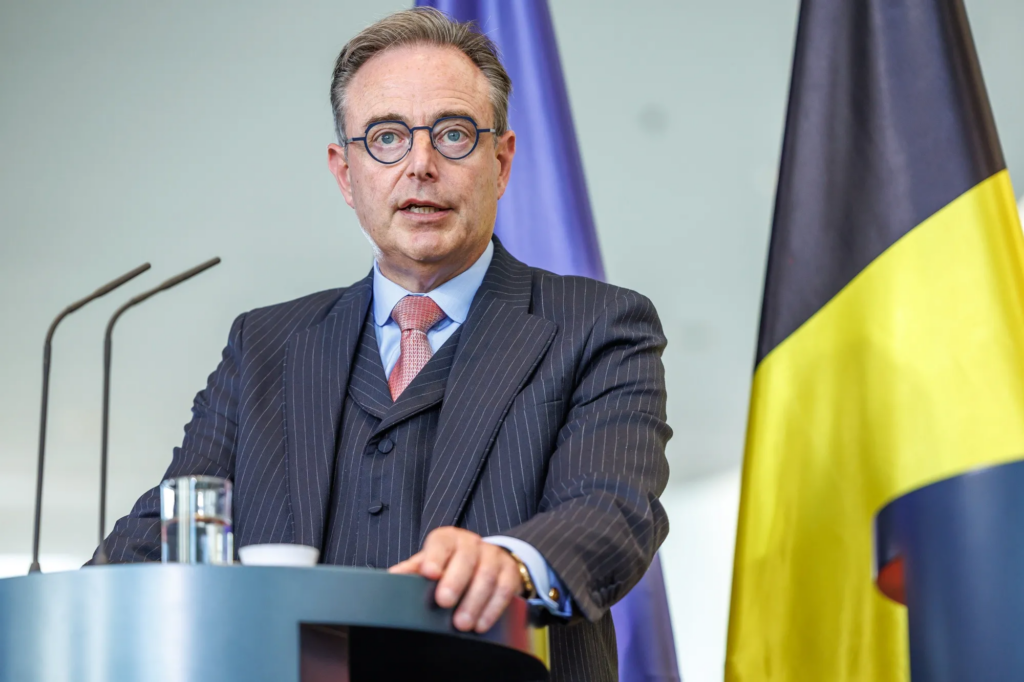
Belgium has publicly questioned the legality of recent United States and Israeli military strikes on Iran, warning that such actions risk undermining international law and regional stability. The remarks, attributed to Belgian officials including Foreign Minister Maxime Prévot, come amid escalating tensions in the broader Middle East, where cross-border attacks and retaliatory threats have raised fears of a wider conflict. Brussels emphasized that the Iranian population—not foreign powers—must ultimately determine the country’s political future, signaling a more cautious European tone compared with some Western allies.
According to statements circulating in diplomatic and media reporting, Belgium described the US-Israeli strikes as “inconsistent” with international law, reflecting concerns about the legal framework governing the use of force between states. Under the United Nations Charter, military action against another sovereign country is generally prohibited unless it is conducted in self-defense after an armed attack or authorized by the UN Security Council. Legal analysts have long noted that disputes over whether these criteria are met often lie at the heart of geopolitical controversies. In the current crisis, critics argue that the threshold for lawful self-defense remains contested, while supporters of the strikes claim they were necessary to counter perceived threats from Iran.
Belgium’s position underscores divisions within Europe over how to respond to the rapidly evolving confrontation. While some Western governments have voiced support for pressure on Tehran, others have urged restraint and diplomacy. The debate has intensified since the latest escalation in the ongoing **Iran–US–Israel tensions, which form part of the broader 2026 Iran conflict. According to international reaction summaries, countries around the world have split sharply in their responses, with some backing Washington and Tel Aviv while others oppose the military campaign and warn of regional destabilization.
Belgian officials framed their concerns partly around the principle of national sovereignty. By stressing that “the Iranian people alone must choose their leaders,” Brussels appeared to reject any perception that foreign military pressure should be used to influence Iran’s internal political structure. This stance aligns with longstanding European diplomatic language emphasizing political self-determination and non-interference. It also reflects worries that overt attempts at regime pressure could backfire by strengthening hardline elements within Iran or triggering further retaliation across the region.
The criticism arrives at a sensitive moment. The Middle East has witnessed a surge in military activity, including missile exchanges, drone incidents, and cyber operations among rival powers and their allies. Analysts warn that each new strike increases the risk of miscalculation. Previous episodes in the region have shown how quickly tit-for-tat actions can spiral into broader confrontation, particularly when major powers become directly involved. Belgium’s call for caution appears aimed at preventing exactly such an escalation.
From a legal standpoint, debates over targeted strikes and preemptive self-defense are not new. For example, earlier high-profile operations in the region have sparked similar disputes among international law experts over whether the use of force met UN Charter standards. In many cases, governments justify military action as necessary to prevent imminent threats, while critics argue that the evidence threshold for such claims is often unclear. The current dispute over Iran fits squarely within that longstanding legal and diplomatic gray zone.
Diplomatically, Belgium’s remarks may also signal broader European unease about the trajectory of the crisis. While Brussels has not broken with Western partners, its language suggests a preference for de-escalation and renewed diplomatic engagement rather than expanded military pressure. European officials have repeatedly warned that a full-scale regional war would have severe global consequences, including disruptions to energy markets, new refugee flows, and heightened security risks.
For Iran, the Belgian statement provides limited but notable diplomatic backing against what Tehran describes as unlawful aggression. Iranian officials have consistently rejected the legitimacy of foreign strikes on their territory and insist they retain the right to self-defense under international law. The competing legal narratives from Tehran, Washington, and European capitals highlight how deeply contested the current crisis has become.
As tensions continue to evolve, Belgium’s intervention illustrates the growing international scrutiny surrounding military actions in the Middle East. Whether the criticism will influence policy decisions in Washington or Tel Aviv remains unclear, but it adds to mounting diplomatic pressure for restraint. With the risk of further escalation still high, many observers believe the coming weeks will be critical in determining whether the confrontation moves toward wider conflict or renewed negotiations.