Deadly drone strike in Darfur market leaves civilians dead and injured, raising fears of escalating violence in Sudan
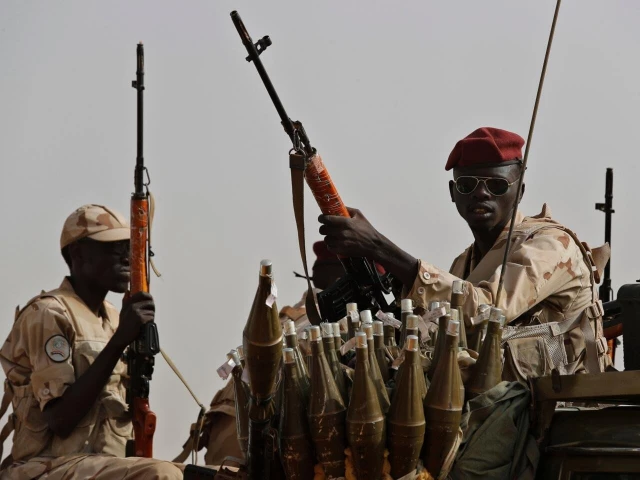
At least ten people were killed in a drone attack on a busy market in Darfur, Sudan, according to local rescuers and witnesses. The attack struck during peak trading hours, leaving dozens injured and triggering chaos as civilians scrambled to flee the area. Ambulances and rescue teams arrived shortly after the strike, transporting the wounded to nearby hospitals and emergency facilities, while security forces cordoned off the area to facilitate rescue operations.
Eyewitnesses described scenes of devastation, with market stalls reduced to rubble and vehicles damaged by the blast. Civilians trapped under debris were pulled out by emergency responders and community volunteers working frantically to save lives. The injured, many of whom were women and children, were taken to makeshift medical points due to the hospitals being overwhelmed. Local authorities confirmed that rescue efforts continue as they search for additional victims in the aftermath of the attack.
The drone strike represents one of the deadliest attacks on civilians in Darfur in recent months, a region already destabilized by ongoing conflict and political unrest. Analysts warn that the continued use of drones in the area is heightening fears among civilians, particularly in marketplaces and densely populated neighborhoods, which have historically been vulnerable to aerial attacks. The recent escalation adds to the ongoing humanitarian crisis, with tens of thousands displaced due to previous violence.
Sudanese authorities have yet to officially identify the perpetrators of the attack, but the use of drones suggests the involvement of well-equipped armed groups or potentially foreign actors operating in the region. While the Sudanese government has deployed security forces to the affected area, limited resources and infrastructure challenges hinder both rescue operations and the ability to secure civilian areas against future attacks.
Humanitarian organizations have expressed concern about the growing vulnerability of civilians in Darfur. Many residents rely on local markets for daily necessities, and the targeting of these public spaces has far-reaching consequences for the community’s access to food, medicine, and essential goods. Aid agencies have called for immediate protective measures and unimpeded humanitarian access to assist the injured and support displaced families.
The drone attack has also sparked protests in local towns, with residents demanding greater protection and accountability. Community leaders have called on both national authorities and international bodies to investigate the incident and prevent further attacks. Social media accounts from the region have shared videos showing the aftermath of the strike, amplifying calls for intervention and drawing global attention to the worsening security situation.
Security analysts note that the increasing use of drone technology in Darfur represents a dangerous evolution in the region’s conflict dynamics. Unlike conventional attacks, drones can strike quickly and with minimal warning, making civilian areas highly vulnerable. This trend raises questions about the regulation of unmanned aerial vehicles in conflict zones and the responsibility of armed actors under international humanitarian law to protect non-combatants.
The attack comes at a time of heightened instability in Sudan, where ongoing clashes between rival armed factions, political uncertainty, and economic challenges have left large parts of the population at risk. International organizations, including the United Nations and African Union, have repeatedly called for ceasefires and dialogue to reduce civilian casualties, but the situation remains precarious. Human rights observers warn that attacks targeting civilian infrastructure, such as markets, schools, and medical facilities, may constitute violations of international law.
Local authorities have urged residents to remain vigilant and avoid crowded public spaces until security assessments are complete. Hospitals and aid centers are reportedly operating at full capacity, and volunteers are assisting with emergency response. Relief agencies are mobilizing additional supplies, including medical kits, food, and temporary shelters, to assist those affected by the attack.
The drone strike’s impact extends beyond immediate casualties, as fear and trauma are spreading among local communities. Many families have already been displaced by previous violence in Darfur, and the attack exacerbates their sense of insecurity. Psychologists and social workers working in the area emphasize the urgent need for mental health support for survivors, especially children who witnessed the devastation.
International reaction to the strike has included calls for restraint and protection of civilians. Diplomatic channels are reportedly engaged to address the escalating violence, though the complex political and security situation in Sudan poses challenges for coordinated intervention. Observers warn that without sustained international attention and effective measures to safeguard civilian areas, Darfur may experience further destabilization.
In conclusion, the drone attack on a Darfur market, which killed ten civilians and injured dozens more, underscores the escalating humanitarian and security challenges in the region. The incident highlights the urgent need for both immediate humanitarian support and long-term strategies to protect vulnerable populations from targeted attacks. As Sudan grapples with political instability and armed conflict, the international community faces mounting pressure to ensure civilian safety and accountability for those responsible for the violence.