Examining how reports of growing anti‑Jewish sentiment in China have sparked alarm in Israel and influenced diplomatic relations
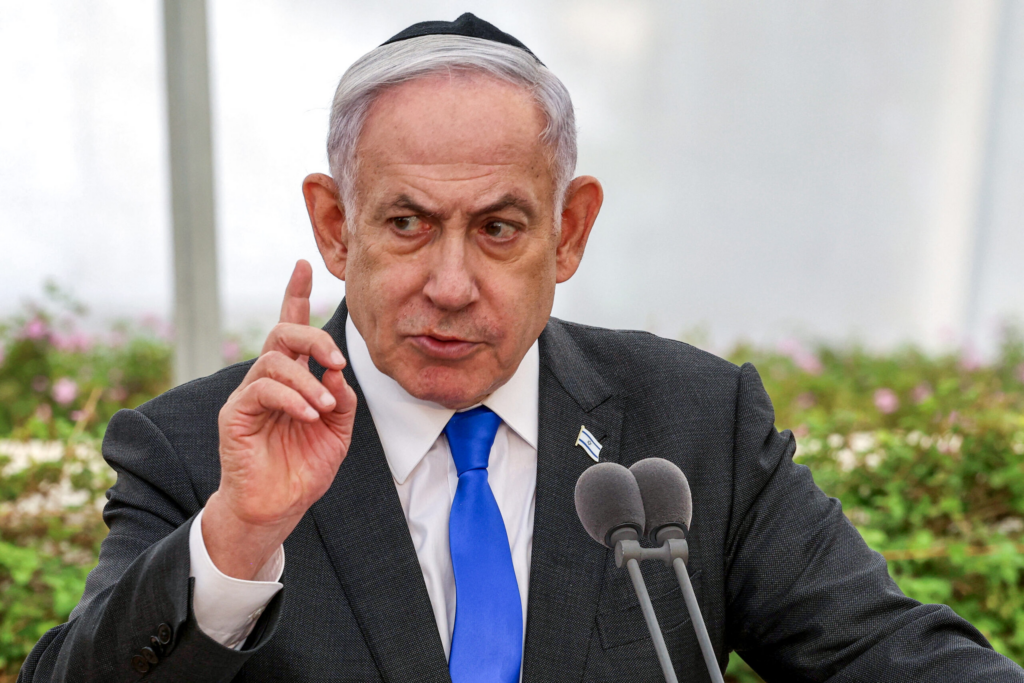
In recent months, discussions about China’s role in global politics have taken on a new dimension as Israeli analysts and officials express concern over what they describe as a growing wave of antisemitic rhetoric linked to narratives circulating inside China — particularly on social media and within some state‑aligned outlets. These developments have stimulated debate inside Israel about the nature of China’s influence, how antisemitism is defined and identified, and the potential impact on international relations.
Although no verified international news outlet has reported that the Israeli government formally called on all countries to boycott China, there are legitimate concerns and discourse about antisemitism in Chinese public life that have attracted attention in Jerusalem and beyond.
China’s Rising Antisemitism Debate
A recent report by the Times of Israel highlighted that antisemitism in China — historically uncommon — has been on the rise, moving from marginal online corners into more mainstream discourse in some state media and academic commentary. Researchers found that:
- Chinese influencers and certain local commentators have echoed classical antisemitic tropes, such as exaggerated claims about Jewish influence on world affairs.
- Some Chinese cultural narratives have blurred the distinction between criticism of Israeli policy and anti‑Jewish hostility, a pattern that has alarmed Jewish advocacy groups.
- These trends have intensified particularly in relation to the ongoing Middle East conflicts.
Importantly, experts emphasize that this antisemitic sentiment is not driven by China’s official foreign ministry policy per se, but rather by a complex blend of geopolitical rivalry, nationalist discourse, and social media trends that intersect with anti‑Western grievances. Many analysts warn against overgeneralizing the entire Chinese public, noting that much of this content is generated by online commentators and does not represent uniform government policy.
Israel‑China Diplomatic Strains and Public Perceptions
Historically, Israel and China maintained relatively strong economic ties — particularly in trade, technology, and infrastructure — even as their political outlooks sometimes diverged. However:
- Public opinion polling in Israel indicates that many Israelis now view China as unfriendly or unsympathetic toward Israel’s security concerns.
- Diplomatic tensions have risen, especially as China positions itself as a more vocal supporter of Palestinian rights and critic of Western intervention in the Middle East.
This strategic divergence has sparked debate in Israeli media and political circles about how far relations with China might deteriorate, especially given Beijing’s expanding global influence.
Antisemitism vs. Criticism of Policy: A Central Challenge
One of the most challenging aspects of this issue is distinguishing antisemitic rhetoric from legitimate criticism of Israel’s policies. International frameworks — such as the Jerusalem Declaration on Antisemitism — make it clear that antisemitism involves hostility toward Jews as Jews, whereas political criticism of a government’s actions is not inherently antisemitic.
Israeli officials have repeatedly emphasized that just because someone criticizes Israel’s government does not automatically make them antisemitic. Yet, certain narratives that conflate all Jews with the actions of a government, or that tap into age‑old antisemitic stereotypes, do cross the line. This nuance is at the center of ongoing legal and political debates.
International Reaction and Diplomatic Positioning
The global community’s response to these concerns has been mixed:
- Many Western governments have expressed support for strengthened efforts against antisemitism in all forms, including online and media discourse.
- China, for its part, maintains that it opposes discrimination and hatred and that it prioritizes peaceful coexistence and economic cooperation with all nations.
- Analysts stress that cooperation between countries — even those with differences — tends to yield more productive outcomes than broad economic or diplomatic boycotts.
The Broader Geopolitical Landscape
Understanding Israeli concerns about China requires insight into broader geopolitical trends:
- China’s pivot toward more assertive global diplomacy has challenged traditional Western alliances and reshaped strategic equations across the Middle East, Africa, and Asia.
- Israel, deeply integrated into Western and U.S. security frameworks, watches these shifts closely, especially as China expands its ties with Arab states and Iran.
This evolving landscape means that Israeli policy thinkers are increasingly focused on balancing economic interests with cultural and security considerations in their approach to Beijing.
Conclusion: A Complex Dialogue, Not a Call to Boycott
While there is no verified official call from Israel for the world to boycott China on the basis of antisemitism, the issue has undeniably sparked significant discourse within Israeli political and media circles. The concerns center on the rise of antisemitic narratives, the nuances of defining hatred versus policy critique, and the diplomatic implications of China’s expanding geopolitical role.
As global powers recalibrate their relationships in a rapidly changing world, these conversations underscore the challenges of addressing discrimination, protecting minority communities, and navigating international diplomacy without resorting to oversimplified or misleading claims.