Diplomatic Momentum Grows as Tehran and World Powers Move Closer to Agreement on Nuclear Deal and Sanctions Relief
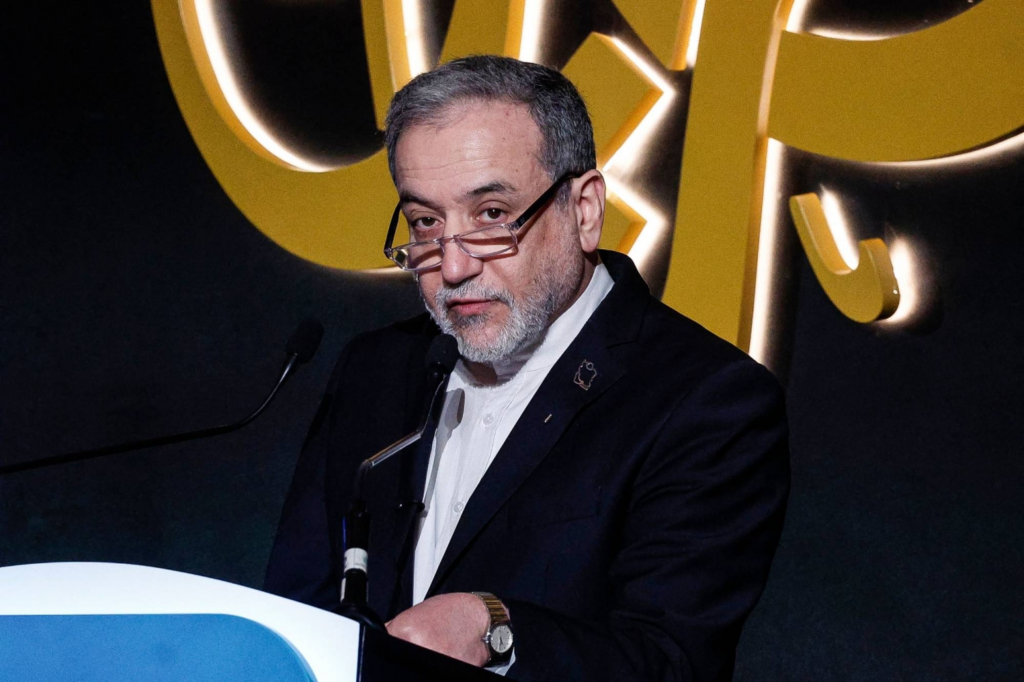
The latest round of negotiations over Iran’s nuclear program has been described as the most productive so far, with significant advancements made on both the nuclear file and sanctions relief, according to Iran’s Deputy Foreign Minister Abbas Araghchi. As talks between Tehran and world powers continue, the announcement of “good progress” signals that a resolution may be within reach, though some key disagreements remain. The diplomatic discussions, which are aimed at restoring the 2015 Joint Comprehensive Plan of Action (JCPOA) and lifting U.S. sanctions, have already seen several rounds of talks. However, the upcoming round in Vienna next week, with the involvement of technical teams, could prove crucial for the final stages of the negotiations.
In this article, we take a closer look at the progress made in the most recent round of talks, the remaining obstacles, and the broader implications for international diplomacy and Middle Eastern stability.
Background: The Road to Vienna and the JCPOA
The Iranian nuclear deal, known as the Joint Comprehensive Plan of Action (JCPOA), was signed in 2015 between Iran and six world powers (the United States, United Kingdom, France, Germany, Russia, and China). Under the deal, Iran agreed to curb its nuclear program in exchange for the lifting of international sanctions. However, the agreement unraveled after the U.S. withdrew unilaterally in 2018 under former President Donald Trump’s “maximum pressure” campaign, which sought to isolate Iran economically and diplomatically.
Since then, Iran has gradually abandoned its commitments under the JCPOA, including uranium enrichment limits and nuclear site inspections. In response, European powers have attempted to keep the deal alive, while Iran has continued to push for the return of sanctions relief and recognition of its rights under the agreement.
After Joe Biden’s administration took office in 2021, negotiations to restore the deal resumed, culminating in several rounds of talks. The latest round, which Iranian Foreign Minister Araghchi described as the “best so far,” signals a shift towards potential success, though challenges remain.
Progress in Nuclear and Sanctions Negotiations
According to Araghchi, the recent round of negotiations has yielded substantial progress, particularly in the areas of nuclear constraints and the terms for sanctions relief. Although Araghchi did not provide specific details, experts believe that the discussions have likely focused on Iran’s nuclear enrichment levels, the monitoring and verification of Iran’s nuclear activities, and the timeline for the lifting of sanctions imposed by the United States and the European Union.
For Iran, the most critical aspect of the talks is the lifting of economic sanctions, which have devastated the country’s economy. Sanctions relief is seen as a pathway to reviving Iran’s oil exports, restoring access to international financial systems, and bolstering its economic recovery. As for the nuclear file, Iran insists that its nuclear program is purely for peaceful purposes, although Western powers remain concerned about the potential for nuclear weapons development.
The progress reported by Araghchi suggests that both sides may have reached an understanding on key aspects of the deal, but some differences remain. For instance, while Iran demands immediate sanctions relief upon returning to compliance with the JCPOA, Western powers, particularly the U.S., have called for a phased approach, with sanctions lifted gradually as Iran shows compliance.
Disagreements: The Remaining Obstacles
While the talks have made significant strides, there are still notable areas of disagreement that could hinder a final deal. Some of these issues include:
- Sanctions Relief: Iran has insisted on the immediate lifting of U.S. sanctions, especially those that have targeted key sectors such as oil, banking, and military. However, the U.S. has expressed concerns that Iran’s missile program and support for militant groups in the region remain key obstacles. A phased lifting of sanctions may be seen as a compromise, but it remains a contentious issue.
- Iran’s Nuclear Enrichment: Iran has significantly expanded its nuclear program since the U.S. withdrawal from the JCPOA. While it has agreed to halt some of its activities, the level of uranium enrichment and the stockpile of enriched uranium remain issues. Western nations have urged Iran to return to the restrictions set out in the original agreement, while Tehran has insisted on its right to develop nuclear technology for peaceful purposes.
- Verification and Monitoring: The International Atomic Energy Agency (IAEA) has been monitoring Iran’s nuclear activities since the JCPOA was first implemented, but Iran has restricted access to some of its nuclear facilities in recent months. Western negotiators have called for robust monitoring to ensure Iran’s compliance with any new agreement, a point that remains unresolved.
- Regional Security Concerns: Some countries, particularly Israel and Saudi Arabia, are concerned about Iran’s regional influence and military activities. While these concerns are not directly tied to the nuclear deal, they have complicated broader diplomatic efforts, with some countries pushing for more stringent conditions on Iran’s military capabilities as part of any deal.
The Upcoming Vienna Round: Technical Teams to Take the Lead
Looking ahead, the next round of talks will take place in Vienna on Monday, where technical teams will join the negotiations. These teams will likely focus on the finer details of the deal, including the technical aspects of Iran’s nuclear program and the specifics of how sanctions relief will be implemented.
The involvement of technical teams is crucial for ensuring that the provisions of the deal are both feasible and verifiable. Their expertise will be essential in crafting a solution that addresses the concerns of both Iran and the world powers, particularly on the verification of Iran’s nuclear activities and the lifting of sanctions in a manner that satisfies all parties involved.
The Broader Geopolitical Context
The progress made in these negotiations is not only significant for Iran and the world powers but also for the broader geopolitical landscape of the Middle East. A successful return to the JCPOA would likely ease tensions between Iran and the West, particularly the United States, while also potentially reducing the risk of military conflict in the region. It could also provide Iran with much-needed economic relief, allowing it to regain access to international markets and revitalize its economy.
However, a failure to reach an agreement would likely lead to continued instability, both in the Middle East and in global oil markets, which depend heavily on stability in the Persian Gulf. The continued development of Iran’s nuclear program without a framework for control could also lead to further escalation, with the possibility of other regional powers, such as Saudi Arabia, seeking nuclear capabilities as well.
Conclusion: Optimism Tempered by Realities
While Iranian Foreign Minister Araghchi’s optimism about the progress made in the latest round of nuclear talks is encouraging, the remaining disagreements suggest that the road to a final deal will not be without its challenges. With the next round of negotiations set to take place in Vienna, the coming days will be crucial in determining whether the international community can successfully navigate the complexities of Iran’s nuclear program, sanctions relief, and regional security concerns.
As the talks continue, all eyes will be on Vienna to see if the momentum towards a renewed nuclear deal can be maintained, or if the disagreements will once again derail progress.