Analyzing Trump’s Willingness to Engage with North Korea and the Potential Implications for U.S.-North Korea Relations
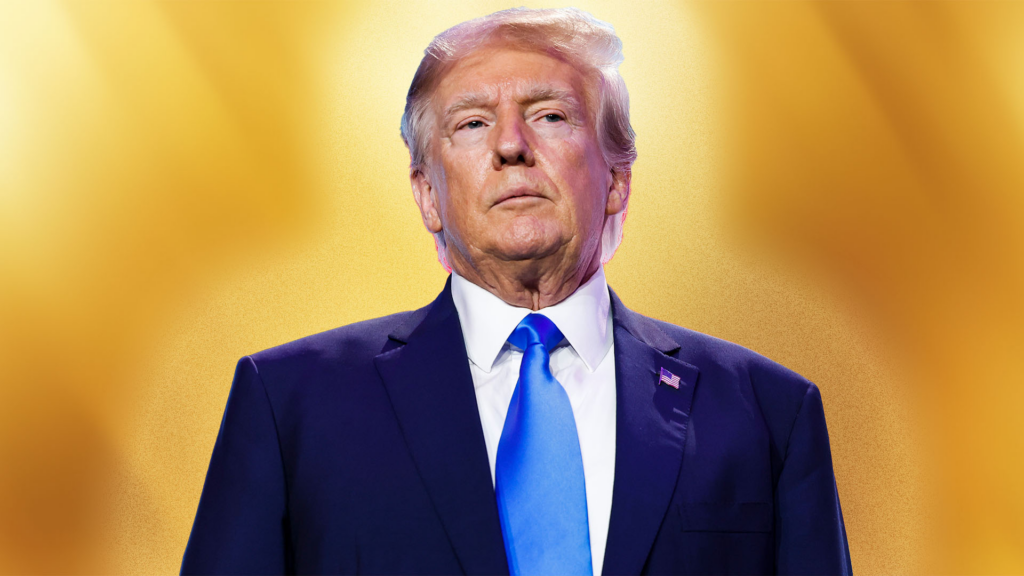
In a surprising statement, former President Donald Trump expressed his openness to engaging in dialogue with North Korean leader Kim Jong Un, marking a potential shift in U.S. foreign policy toward North Korea. This announcement comes as a significant departure from the often confrontational rhetoric seen in previous years, raising questions about the future of diplomacy on the Korean Peninsula. Despite years of escalating tensions, nuclear threats, and provocative missile tests, Trump’s willingness to open a dialogue with the North Korean regime signals a potential pivot back toward diplomatic efforts.
In this article, we take a deep dive into the context behind Trump’s statement, the history of U.S.-North Korea relations, and the implications of such a diplomatic approach. Could this lead to a breakthrough in denuclearization talks, or is it simply a temporary shift in strategy?
Background: U.S.-North Korea Relations Under Trump
The relationship between the United States and North Korea has been defined by decades of tension, stemming from North Korea’s pursuit of nuclear weapons and missile technology, and the broader geopolitical conflict between the U.S. and the communist state. Under Trump’s administration (2017-2021), the rhetoric was often hostile and aggressive, with Trump famously calling Kim Jong Un “Rocket Man” and threatening “fire and fury” in response to North Korean missile tests.
However, in 2018, Trump made an unexpected diplomatic move by agreeing to meet with Kim Jong Un in a historic summit in Singapore. The meeting, the first of its kind between a sitting U.S. president and a North Korean leader, was seen as a breakthrough moment in U.S.-North Korea relations. While the summit resulted in a vague agreement about denuclearization, the talks soon stalled, and both sides accused each other of failing to live up to their commitments.
Despite the setbacks, Trump’s willingness to engage directly with Kim Jong Un, coupled with his “America First” approach to foreign policy, positioned him as a leader eager to pursue unconventional diplomatic channels.
Trump’s Latest Statement: A Shift in Strategy?
Trump’s recent remarks regarding his openness to dialogue with Kim Jong Un may seem surprising, especially given the lack of substantial progress during the 2018 and 2019 summits. However, Trump’s willingness to reengage with North Korea comes in the context of several factors, both domestic and international, that could impact U.S. policy.
First, the global geopolitical landscape has evolved since Trump left office in 2021. The rise of China as a dominant global power and its growing influence in the Indo-Pacific region have heightened U.S. interest in maintaining stability in East Asia. North Korea, under Kim Jong Un, remains a critical player in this regional balance, and dialogue with Pyongyang could serve as a way to curb its nuclear ambitions while managing the growing Chinese influence.
Second, Trump’s remarks may reflect an attempt to position himself as a pragmatic leader who prioritizes direct diplomacy over conflict. During his presidency, Trump garnered significant attention for his unconventional foreign policy approaches, including his engagement with North Korea, withdrawal from the Iran nuclear deal, and his tough stance on trade with China. By offering to resume talks with Kim Jong Un, Trump may be signaling a return to his preferred approach of personal diplomacy to address international challenges.
The Pros and Cons of Dialogue with North Korea
While the notion of dialogue with North Korea may seem like a constructive step, it also raises concerns about the potential risks and challenges that such an engagement might entail. To understand the implications of Trump’s willingness to engage with Kim Jong Un, it’s important to consider both the potential benefits and drawbacks of dialogue.
Pros of Dialogue:
- De-escalation of Tensions: Direct talks with North Korea could serve to de-escalate the ongoing tensions on the Korean Peninsula. By engaging in dialogue, the U.S. and North Korea could avoid further military provocations, reducing the risk of conflict in a region already fraught with geopolitical instability.
- Nuclear Disarmament Opportunities: The ultimate goal of diplomacy with North Korea has been denuclearization. While previous talks have faltered, renewed dialogue could create the conditions for more serious negotiations on dismantling North Korea’s nuclear weapons program, possibly with the assistance of international partners like South Korea and Japan.
- Strategic Leverage: Dialogue with North Korea provides an opportunity for the U.S. to gain strategic leverage in the region, especially in relation to China. By engaging with North Korea, the U.S. could seek to undermine China’s influence in East Asia, as North Korea is closely aligned with Beijing.
- Humanitarian Considerations: Engaging in diplomatic dialogue could open the door to addressing human rights concerns in North Korea. While these issues are often sidelined in favor of nuclear talks, diplomacy could serve as a platform to press Kim Jong Un on North Korea’s dire human rights record.
Cons of Dialogue:
- Lack of Trust: One of the biggest obstacles to dialogue with North Korea is the lack of trust between the two sides. North Korea’s repeated violations of previous agreements and its failure to follow through on promises made during previous summits have led to skepticism about its willingness to negotiate in good faith.
- No Guarantee of Denuclearization: Despite North Korea’s promises of denuclearization, its nuclear weapons program has only expanded since the 2018 summit. The North Korean regime has shown little interest in making meaningful concessions regarding its nuclear arsenal, which is a central concern for the U.S. and its allies.
- Domestic and International Criticism: Resuming talks with North Korea, especially under terms similar to the 2018 summit, could face backlash both domestically and internationally. Critics may argue that engaging with Kim Jong Un without concrete steps toward denuclearization could be seen as rewarding bad behavior and undermining global non-proliferation efforts.
- China and Russia’s Role: While the U.S. might seek to influence North Korea through dialogue, China and Russia’s involvement in the region complicates the dynamics. Both countries have historically shielded North Korea from U.N. sanctions and have a significant impact on Pyongyang’s decision-making.
What’s Next for U.S.-North Korea Relations?
While it remains to be seen whether Trump’s openness to dialogue will lead to meaningful negotiations with Kim Jong Un, it is clear that the future of U.S.-North Korea relations will be shaped by several factors. These include the evolving geopolitical landscape in East Asia, the role of China and Russia, and the willingness of both sides to make concessions.
Ultimately, for any lasting peace or nuclear disarmament to be achieved, both sides will need to demonstrate a commitment to trust-building, transparency, and mutual respect. Whether or not Trump can successfully re-engage North Korea in a productive dialogue remains to be seen, but his latest remarks suggest that the door to diplomacy remains open.
Conclusion: A Bold Diplomatic Gamble?
President Trump’s statement about being open to dialogue with Kim Jong Un represents a shift in the rhetoric surrounding U.S.-North Korea relations. Whether this is a tactical move or a genuine desire for progress, it signals a potential return to diplomacy with one of the world’s most secretive and isolated regimes. As tensions continue to rise in the Indo-Pacific region, engaging with North Korea may present an opportunity for the U.S. to reshape its approach to peace and security on the Korean Peninsula. However, the challenges remain immense, and the road to meaningful engagement will be fraught with obstacles.