Examining Pakistan’s Military Action in Kabul and the Broader Implications for Regional Stability
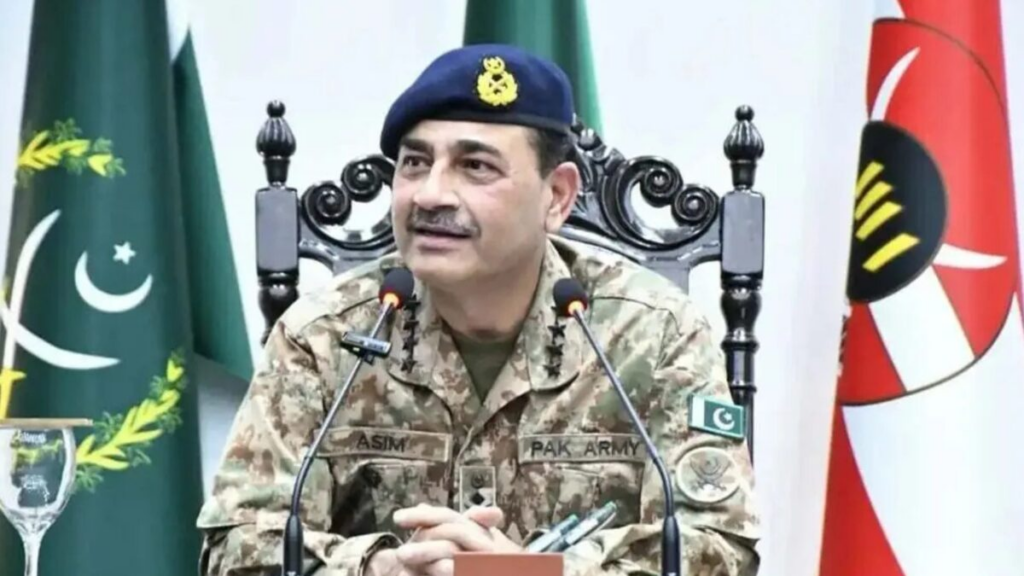
In a dramatic escalation of tensions between Pakistan and the Taliban, Pakistan recently released footage of airstrikes targeting what it described as Taliban facilities in Kabul, accusing the group of engaging in “unprovoked aggression.” The airstrikes, which are said to have struck strategic Taliban positions, have further complicated an already volatile situation in Afghanistan. This military action, the first of its kind since the Taliban’s takeover of Afghanistan in August 2021, has raised significant concerns about the stability of the region and the dynamics between Pakistan and the Taliban-led Afghan government.
Pakistan’s claims of aggression by the Taliban, along with the release of footage showing the aftermath of the airstrikes, have sparked a heated debate on the reasons behind this military action and its potential consequences. This article delves into the background of the airstrikes, the allegations made by both parties, and the broader geopolitical ramifications for Afghanistan, Pakistan, and the international community.
Background: The Relationship Between Pakistan and the Taliban
The relationship between Pakistan and the Taliban has always been complicated, shaped by historical, geopolitical, and ideological factors. During the 1990s, Pakistan was a key supporter of the Taliban, both politically and militarily, as the group emerged as the dominant force in Afghanistan. However, the dynamic between the two parties has shifted dramatically since the Taliban’s resurgence in 2021.
On one hand, Pakistan shares significant strategic interests with the Taliban, particularly regarding security concerns in the region, such as the presence of militant groups like Tehrik-i-Taliban Pakistan (TTP), which operates along the border between Afghanistan and Pakistan. Pakistan has long accused the Taliban of harboring these groups, which carry out attacks in Pakistan. On the other hand, Pakistan has also faced tensions with the Taliban-led Afghan government, especially over issues such as border disputes, regional security, and Pakistan’s military operations along the Afghanistan-Pakistan border.
In the wake of the Taliban’s victory in Afghanistan, Pakistan has cautiously engaged with the new Afghan government, offering support in exchange for assurances on security and counterterrorism cooperation. However, despite this pragmatic approach, relations have been marked by underlying mistrust, with incidents like the recent airstrikes highlighting the fragile nature of the alliance.
The Airstrikes: A Response to “Unprovoked Aggression”
According to Pakistan’s military spokesperson, the airstrikes on Kabul were a direct response to an “unprovoked aggression” by the Taliban. While the specific details of the alleged aggression remain unclear, Pakistani officials have stated that Taliban forces had crossed into Pakistani territory, targeting military posts or civilians. In response, Pakistan reportedly conducted airstrikes on Taliban positions in Kabul, aiming to neutralize what it considered a direct threat to its national security.
Pakistan’s military further stated that the airstrikes were conducted with precision, targeting only Taliban facilities, which were allegedly being used for military operations. The footage released by Pakistan shows what appears to be a series of explosions and the aftermath of the strikes. However, the Taliban has strongly denied these accusations, claiming that Pakistan’s actions were an unwarranted violation of Afghan sovereignty.
The Taliban’s Ministry of Foreign Affairs condemned the airstrikes as an act of aggression and called for an immediate cessation of such actions. The group’s leadership warned that any further escalation would be met with retaliation, stressing that Afghanistan’s sovereignty and territorial integrity must be respected by neighboring countries.
The Tensions Behind the Airstrikes: Root Causes
The airstrikes come amid rising tensions between Pakistan and the Taliban over several critical issues:
- Cross-Border Militancy: One of the primary reasons behind the military action is the ongoing issue of cross-border militancy. Pakistan has long accused the Taliban of providing sanctuary to militant groups like the TTP, which operates along the Afghanistan-Pakistan border. The TTP has been responsible for numerous attacks in Pakistan, targeting both military and civilian infrastructure. Pakistan has called on the Taliban to take action against these groups, but the Taliban has been reluctant to fully crack down on them, citing their commitment to Afghan sovereignty.
- The Durand Line Dispute: The border between Afghanistan and Pakistan, known as the Durand Line, has been a source of friction for decades. The Taliban, like many previous Afghan governments, does not officially recognize the Durand Line as the legitimate border between the two countries. Pakistan’s military operations in areas along this disputed border have been met with strong criticism from the Taliban, further exacerbating tensions between the two sides.
- Pakistan’s Influence in Afghanistan: Pakistan has long sought to maintain a level of influence in Afghanistan, particularly to prevent India from gaining a foothold in the country. With the Taliban’s return to power, Pakistan hoped to secure a friendly regime in Kabul that would cooperate on counterterrorism efforts and maintain stability in the region. However, the recent airstrikes suggest that Pakistan’s influence in Afghanistan is not as secure as it once hoped, with the Taliban increasingly asserting its independence.
- Humanitarian and Security Concerns: The broader security environment in Afghanistan has also played a role in the escalation of tensions. With the withdrawal of U.S. and NATO forces, Afghanistan has seen a sharp rise in violence, including attacks by various militant factions. Pakistan has expressed concern that instability in Afghanistan could spill over into its own territory, particularly if extremist groups continue to operate with impunity.
The Broader Geopolitical Impact
The airstrikes in Kabul not only have significant implications for Pakistan and Afghanistan but also for the broader regional and international community. The situation highlights several key concerns:
- Regional Stability: The escalating tensions between Pakistan and the Taliban could undermine efforts to stabilize Afghanistan after the U.S. withdrawal. A protracted conflict between Pakistan and the Taliban risks destabilizing the entire region, potentially leading to increased militant activity, humanitarian crises, and further displacement of Afghan civilians.
- China’s Role: China, a close ally of Pakistan and a key regional power, has expressed concerns about instability in Afghanistan, particularly given its investments in the region. As China seeks to secure its Belt and Road Initiative projects and maintain its influence in South Asia, it will be closely monitoring the situation, particularly the impact of cross-border tensions on its economic interests.
- International Community’s Response: The international community, including the United Nations and human rights organizations, will likely call for de-escalation and dialogue between Pakistan and the Taliban. The airstrikes may also bring greater attention to the human rights situation in Afghanistan, particularly regarding the treatment of minorities, women, and dissenting voices under Taliban rule.
- Potential for Negotiation: Despite the growing tensions, there is still an opportunity for diplomatic engagement between Pakistan and the Taliban. Both sides have a vested interest in maintaining stability in the region and preventing further escalation of violence. As the situation develops, the role of third-party mediators, such as the United Nations or regional actors like China, could become critical in facilitating dialogue and preventing further conflict.
Conclusion
Pakistan’s recent airstrikes on Kabul represent a significant escalation in the already tense relationship between Pakistan and the Taliban. While Pakistan claims that the airstrikes were a response to “unprovoked aggression,” the Taliban has vehemently denied these accusations, accusing Pakistan of violating Afghanistan’s sovereignty. The airstrikes underscore the deep-rooted issues surrounding cross-border militancy, territorial disputes, and regional security dynamics.
As both sides face mounting pressures, the path forward remains uncertain. Diplomatic engagement and dialogue will be essential in preventing further violence and working toward long-term stability in the region. However, the growing tension between Pakistan and the Taliban highlights the fragility of the fragile peace in Afghanistan and the complex geopolitics at play in South Asia.