Unprecedented Attack on Israeli Leadership: Iran’s Bold Claims and the Future of Israeli Security
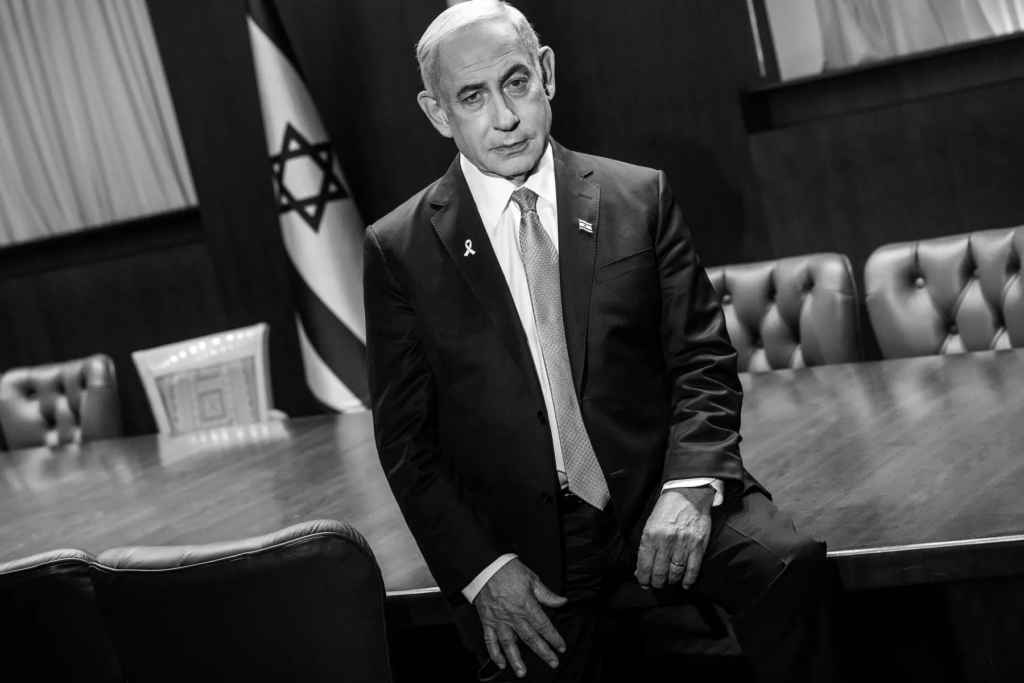
Introduction: A Shocking Allegation
In a bold and alarming statement, Iranian officials have claimed responsibility for a major attack on Israel, alleging that Israeli Prime Minister Benjamin Netanyahu has been killed in the assault. This shocking development has sent shockwaves across global diplomatic circles, sparking intense discussions about the stability of the Israeli government, the security of its leadership, and the potential for an escalation in an already volatile region.
While the full details of the attack remain unclear, the implications of such a claim are profound. Israel, a key U.S. ally in the Middle East and a global power in terms of military and defense capabilities, now faces an unprecedented crisis that could alter the course of regional and international relations. This event, if proven true, marks a significant turning point in the ongoing Israeli-Palestinian conflict and the broader Middle East geopolitical struggle.
Iran’s Allegations: What We Know So Far
Iran has claimed responsibility for the strike on Israeli soil, asserting that it was an act of retaliation for Israel’s ongoing military activities in the region, particularly against Iranian interests. According to Iranian state-run news agencies, the attack targeted the heart of Israel’s political leadership. While the Israeli government has yet to confirm Netanyahu’s reported death, officials have indicated that they are investigating the situation with caution, urging citizens not to jump to conclusions.
The nature of the attack remains unclear. Some reports suggest it was carried out through a sophisticated cyberattack, while others claim that a physical assault using drones or missiles might have taken place. Iran’s statements, however, have so far not provided comprehensive details, making it difficult for outside analysts to verify the claims.
Geopolitical Context: Why This Attack Matters
This claim of Netanyahu’s death by Iranian authorities is not just a typical geopolitical development; it represents a major shift in the ongoing rivalry between Iran and Israel. The two countries have been locked in a tense standoff for decades, with Israel often accusing Iran of attempting to destabilize the region, particularly through its nuclear ambitions and support for proxy groups in Syria, Lebanon, Iraq, and Yemen.
In recent years, tensions have intensified due to Israel’s increasing involvement in the Syrian Civil War, where it has repeatedly attacked Iranian targets to prevent the establishment of Iranian military bases in the region. The Israeli government also considers Iran’s nuclear program as an existential threat, leading to heightened concerns about the potential for a nuclear-armed Iran.
Iran, on the other hand, sees Israel as an imperialist force in the Middle East, one that seeks to undermine Iranian sovereignty and influence in the region. This animosity has played out in proxy wars, cyberattacks, and diplomatic spats. However, the claim of targeting Israel’s Prime Minister personally signifies an unprecedented escalation in this long-standing rivalry.
The Implications for Israel and the Middle East
- Impact on Israeli Security and Stability: If Netanyahu’s death is confirmed, it will have profound consequences for Israel. As one of the longest-serving Prime Ministers in Israeli history, Netanyahu is deeply tied to the country’s national security policies, including its stance on Iran, its military operations in Gaza, and its relations with the United States. The absence of Netanyahu, who has played a central role in shaping Israel’s security doctrine, would lead to political instability and uncertainty within the Israeli government. In the immediate aftermath, Israel would likely take measures to secure its leadership and prevent further attacks on top government officials.
- Regional Instability: The attack also raises serious concerns about broader regional instability. The Middle East has been a powder keg of tensions for decades, and such an event has the potential to ignite further conflict between Israel and Iran. If Israel retaliates in force, it could escalate into a larger war that might involve several regional players, including Hezbollah in Lebanon, Syria, and Iranian-backed militias across the region. This would have devastating consequences for the already fragile geopolitical balance.
- International Reactions: Global reactions to this development will be critical. The United States, Israel’s closest ally, has yet to comment on the situation, but Washington has always expressed its strong support for Israel’s right to defend itself. European nations, while generally supportive of Israel, have also voiced concerns over Iran’s growing influence in the region and would likely call for restraint on both sides to prevent further escalation. The United Nations may soon issue statements urging both parties to de-escalate tensions, although the effectiveness of such calls remains uncertain.
- Iran’s Calculations: If the claims are substantiated, Iran’s decision to target Netanyahu directly could be seen as a move to assert its dominance in the region. By striking at the heart of Israel’s political leadership, Iran sends a clear message that it is willing to go to extreme lengths to defend its interests in the region. Iran’s calculation might also be based on the belief that it can weaken Israeli resolve or force Israel into a defensive posture, which could limit its military options moving forward.
Potential Consequences for the U.S. and International Security
Given that the U.S. and Israel are closely aligned on many regional security issues, the United States’ response to this attack will be of immense importance. Should Netanyahu’s death be confirmed, the U.S. would likely offer strong support for Israel, both in terms of intelligence and military assistance, which could lead to further military confrontations with Iran. The international community, particularly global powers like Russia and China, may also become more involved as the situation escalates, potentially leading to a wider conflict.
Conclusion: A Moment of Crisis
If true, Iran’s claim of killing Israeli Prime Minister Benjamin Netanyahu would mark an unprecedented moment in the Middle East’s turbulent history. The geopolitical ramifications of such an event are far-reaching and could reshape the future of Israeli-Iranian relations, regional stability, and U.S. involvement in the region. As the situation continues to unfold, the world will be watching closely to see how Israel, Iran, and the international community respond to this shocking development.