Controversy erupts after acknowledgment of manipulated photo raises concerns over misinformation and media ethics
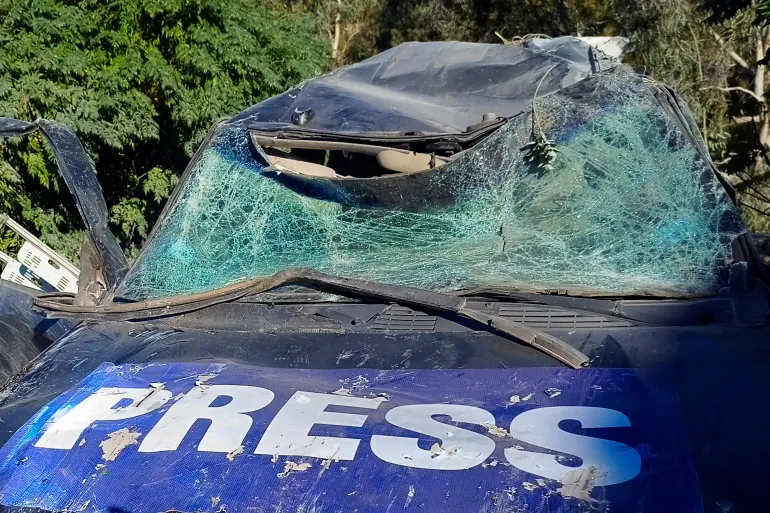
The Israel Defense Forces has reportedly acknowledged using an altered or photoshopped image to label a slain journalist as a “terrorist,” sparking widespread controversy and raising serious concerns about misinformation during conflict.
The admission has intensified scrutiny over how information is presented in wartime, particularly when it involves the classification of civilians or journalists.
What the Report Says
According to media reports, the image in question was used to support claims that the killed individual had militant affiliations. However, it was later revealed that the photo had been digitally manipulated, leading to questions about the credibility of the claim.
The journalist had been killed during military operations in Lebanon, where ongoing clashes between Israeli forces and armed groups have created a highly volatile environment for civilians and media personnel.
Concerns Over Media Credibility
The use of a manipulated image in such a sensitive context has drawn criticism from journalists, media watchdogs, and human rights observers. Critics argue that:
- Mislabeling journalists can endanger press freedom
- Manipulated evidence undermines credibility
- Such actions can fuel misinformation in conflict zones
Press freedom organizations have long warned about the dangers journalists face in war zones, where narratives are often contested and information can be weaponized.
Information Warfare and Narrative Control
The incident highlights the broader issue of information warfare, where both sides in a conflict attempt to shape public perception through media, imagery, and messaging.
In modern conflicts, digital content—including images and videos—plays a crucial role in influencing global opinion. Any manipulation or misrepresentation can have far-reaching consequences, particularly when amplified through social media.
Legal and Ethical Implications
Labeling a journalist as a militant without verified evidence raises serious ethical and legal questions, especially under international humanitarian law, which provides protections for journalists in conflict zones.
If proven to be misleading, such actions could:
- Undermine trust in official statements
- Complicate accountability efforts
- Increase calls for independent investigations
Ongoing Conflict Context
The incident comes amid escalating tensions in the region, with increased military activity across Lebanon and northern Israel. Journalists operating in these areas face heightened risks, as active combat zones make reporting both essential and dangerous.
Conclusion
The acknowledgment of using an altered image to label a slain journalist as a “terrorist” has triggered significant backlash and renewed concerns about misinformation in conflict. As scrutiny grows, the incident underscores the importance of accuracy, transparency, and accountability in wartime reporting.