Tim Kaine’s Effort to Limit Trump’s Military Authority Fails as Key Senators Break Ranks
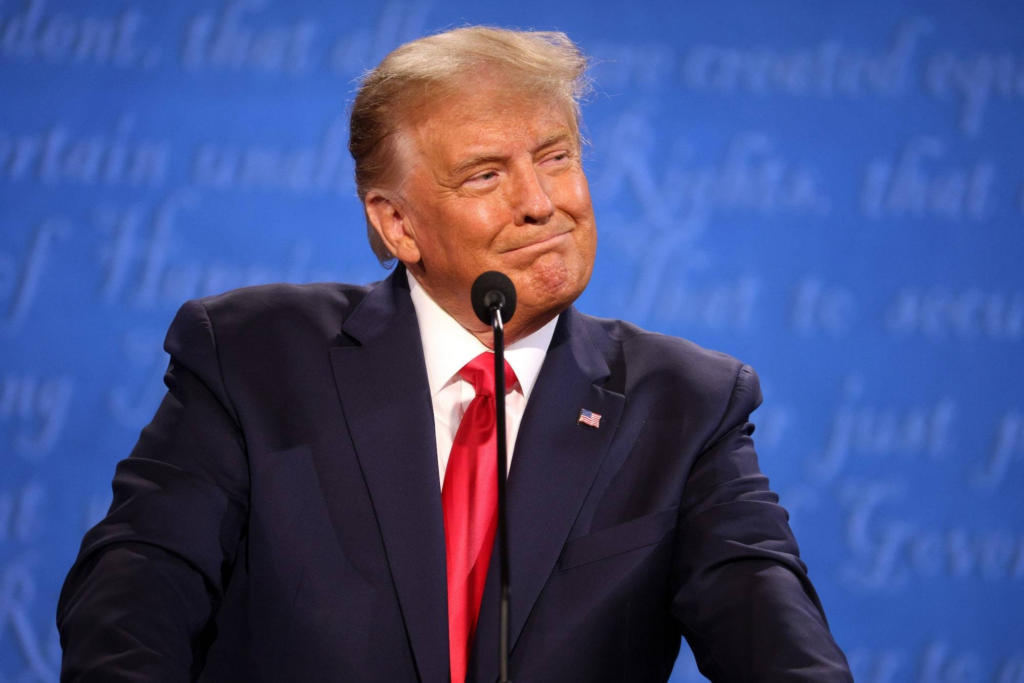
The United States Senate has rejected a high-profile war powers resolution aimed at limiting President Donald Trump’s authority to use military force against Iran, highlighting sharp political divisions in Washington as tensions in the Middle East continue to rise. The measure, introduced by Democratic Senator Tim Kaine, sought to require explicit congressional approval before any further U.S. military action against Iran could proceed. However, the resolution failed in a closely watched vote that largely followed party lines.
According to congressional reporting, the Senate voted 53–47 to block the proposal, effectively preserving the president’s current military flexibility regarding Iran. The vote came amid heightened scrutiny of recent U.S. and Israeli military operations in the region and ongoing debate over constitutional war powers.
Kaine’s resolution was rooted in the 1973 War Powers Resolution and aimed to reaffirm Congress’s constitutional authority to declare war. Supporters argued that the United States risks being drawn into a broader Middle East conflict without proper legislative oversight. Critics of the administration warned that unchecked executive power could lead to prolonged hostilities.
Despite Democratic backing, the measure faced strong opposition from most Republicans. Notably, Republican Senator Rand Paul broke with his party to support the resolution, while Democratic Senator John Fetterman crossed the aisle to oppose it. Their votes underscored the unusual political dynamics surrounding the Iran debate.
Why the Resolution Mattered
The failed legislation would have directed the president to remove U.S. armed forces from hostilities against Iran unless Congress explicitly authorized the action. Supporters framed it as a constitutional safeguard designed to prevent unauthorized war. Kaine and allied lawmakers argued that Congress must reassert its role in decisions that could place American troops in harm’s way.
Opponents, however, contended that the measure could undermine the president’s ability to respond quickly to national security threats. Several Republican senators defended the administration’s actions as necessary and lawful, saying flexibility is essential during fast-moving crises.
The Trump administration has maintained that its military steps against Iran are defensive and justified by perceived threats. Officials have insisted the operations were limited in scope and intended to deter further escalation.
Political and Strategic Implications
The Senate vote is widely seen as an early test of congressional support for the administration’s Iran strategy. Analysts say the outcome suggests the White House retains significant backing on Capitol Hill despite growing Democratic criticism.
However, the relatively narrow margin also reflects unease among some lawmakers in both parties. A small but vocal bipartisan group continues to warn that the United States could be pulled into a wider regional war if tensions with Iran continue to escalate.
Public opinion may further complicate the political landscape. Some polling cited in coverage of the vote indicates limited American support for a prolonged military conflict with Iran, raising the stakes for lawmakers ahead of upcoming elections.
What Happens Next
Although the Senate rejected the resolution, the debate over presidential war powers is far from over. Similar measures are expected to surface in the House of Representatives, though they face an uncertain path and potential presidential veto if passed.
Under U.S. law, even if Congress were to approve a war powers resolution, it would require a two-thirds majority in both chambers to override a presidential veto — a historically difficult threshold. Political observers therefore view the current effort as more symbolic than immediately binding.
Still, the vote has intensified scrutiny of the administration’s Iran policy and revived longstanding constitutional questions about the balance of power between Congress and the presidency in matters of war.
Bottom Line
The Senate’s rejection of Senator Kaine’s war powers resolution preserves President Trump’s authority to conduct military operations related to Iran without new congressional approval. Yet the cross-party defections and heated debate signal that Washington remains deeply divided over the risk of a broader Middle East conflict. As tensions continue, the struggle between executive power and congressional oversight is likely to remain a central issue in U.S. foreign policy discussions.