U.S. State Department Coordinates Emergency Flights and Travel Assistance as Tens of Thousands Leave Conflict-Affected Region
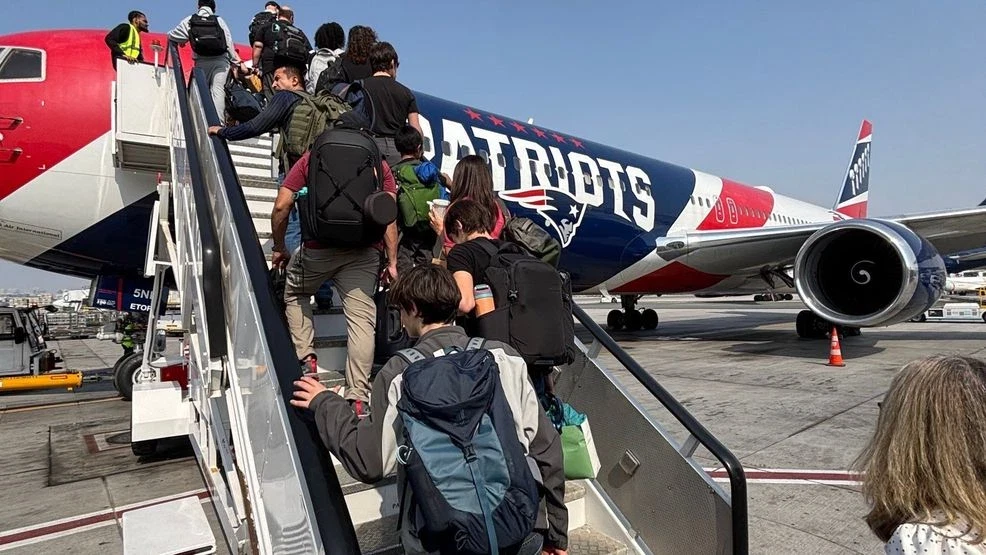
A growing number of American citizens have fled the Middle East since the start of the escalating regional conflict involving the United States, Israel, and Iran. According to the U.S. State Department, around 47,000 Americans have returned to the United States since February 28, 2026, when the current phase of the war began. The figure highlights one of the largest civilian departures from the region in recent years as security conditions deteriorate across multiple countries.
The evacuation effort has been carried out through a combination of government-organized charter flights and commercial travel arrangements. Officials say Washington coordinated nearly 50 charter flights to assist Americans who wanted to leave conflict-affected areas quickly, while thousands of others chose to depart using available commercial airline routes.
Growing Security Concerns Across the Region
The mass return of American citizens comes amid a rapidly expanding Middle East crisis triggered by military operations targeting Iran’s nuclear and military infrastructure. The war, which began in late February 2026, has seen widespread missile strikes, drone attacks, and military confrontations across several countries in the region.
Security conditions have deteriorated significantly in areas where U.S. military facilities, diplomatic missions, and allied infrastructure are located. Iranian retaliatory strikes and threats against American bases have raised fears that civilian areas could also become unsafe. As a result, the U.S. government issued urgent travel warnings advising American citizens to leave the region if possible.
The State Department reported that it had provided travel guidance, security updates, and logistical support to tens of thousands of Americans seeking assistance. Officials said approximately 32,000 people received direct support from the government in arranging travel or securing safe departure routes.
Emergency Evacuation Operations
To help Americans leave the region quickly, the U.S. government launched emergency transportation efforts soon after the conflict began. Charter flights were organized from several Middle Eastern cities, allowing stranded citizens to travel directly to the United States or to safe transit locations.
However, officials noted that many evacuation flights were not fully utilized because a large number of Americans chose to arrange their own departures using commercial airlines. Commercial flights offered greater flexibility for travelers who wanted to choose specific destinations or bring more luggage.
Despite these logistical challenges, U.S. officials say the evacuation process has been largely successful. Demand for government-organized flights has recently begun to decline as commercial travel routes gradually reopen and the initial rush to leave the region subsides.
Countries Most Affected
Large numbers of Americans were living, working, or traveling in several Middle Eastern countries at the time the war began. These include the United Arab Emirates, Saudi Arabia, Qatar, Kuwait, Israel, Iraq, and Bahrain—countries that host significant business, diplomatic, and military activity involving U.S. citizens.
As missile attacks and security threats intensified across the Gulf, many expatriates, business travelers, and tourists rushed to airports in an effort to leave before conditions worsened. Airports in some areas experienced temporary disruptions due to airspace restrictions and security alerts, further complicating evacuation efforts.
The conflict has also disrupted maritime routes and energy infrastructure in the region, particularly near the Strait of Hormuz, one of the world’s most critical oil shipping corridors. Analysts warn that continued instability could impact global energy markets and international trade.
Impact on Global Travel and Security
The departure of tens of thousands of Americans reflects the broader international impact of the Middle East war. Several European and Asian governments have also launched evacuation plans for their citizens, while airlines have rerouted flights away from dangerous airspace.
Diplomatic missions across the region have increased security measures and issued travel advisories warning citizens to avoid military installations, government buildings, and strategic infrastructure.
Experts say the evacuation is one of the most significant civilian movements linked to the conflict so far. While the situation remains volatile, the U.S. government continues to monitor conditions and maintain evacuation support for citizens who remain in the region.
Uncertain Outlook as Conflict Continues
Although tens of thousands of Americans have already left the Middle East, officials believe many U.S. citizens remain in the region. Some have chosen to stay due to work commitments, family connections, or difficulties arranging travel.
The State Department has urged Americans who remain in the region to register with U.S. embassies and follow security guidance closely. Authorities warn that the conflict could continue for weeks or even longer, depending on the trajectory of military operations and diplomatic negotiations.
As tensions remain high and the possibility of further escalation looms, the evacuation of nearly 47,000 Americans illustrates the scale of concern among civilians caught in the midst of a rapidly evolving geopolitical crisis.