U.S. Senator praises Jordan’s diplomatic efforts amid escalating Middle East tensions
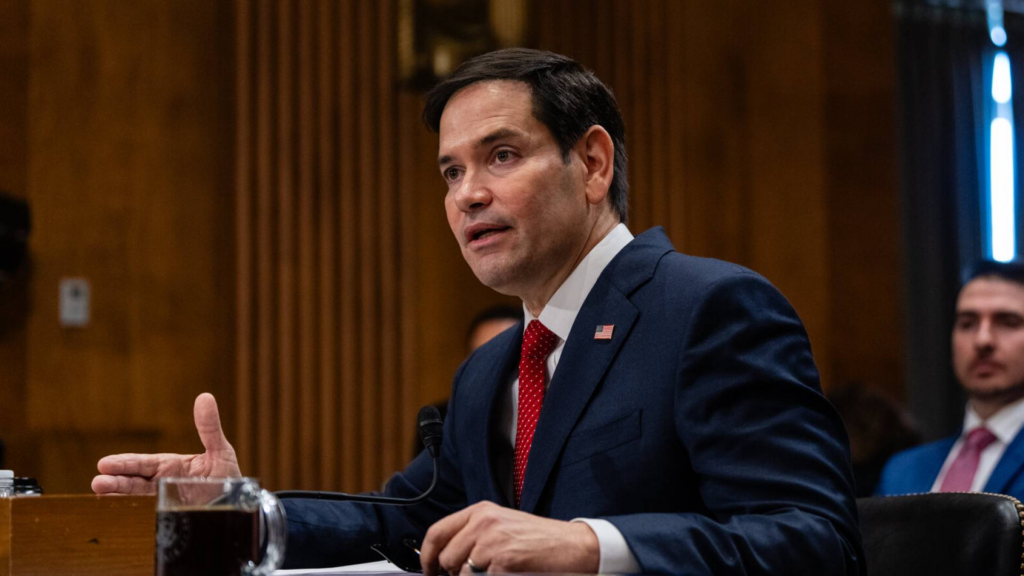
U.S. Senator Marco Rubio has strongly condemned recent Iranian attacks in the Middle East, while highlighting the critical role that Jordan plays in maintaining stability and promoting peace across the region. Rubio’s statements come amid escalating tensions between Iran and its regional neighbors, raising concerns about broader conflict and potential disruptions to global security and trade.
During a recent press briefing, Rubio described Iran’s aggressive military actions as “reckless and destabilizing.” He pointed out that the recent missile strikes, cyber operations, and other forms of aggression not only threaten Israel and Gulf nations but also pose serious risks to the broader international community. According to Rubio, Iran’s strategy aims to undermine regional security while testing the resolve of U.S. allies, and such actions cannot be ignored.
Rubio’s condemnation reflects a broader consensus among U.S. policymakers that Iran’s behavior is increasingly dangerous. The senator emphasized that these attacks are not limited to military targets alone, but also jeopardize civilian infrastructure, energy supply chains, and critical maritime routes, including the Strait of Hormuz, a key artery for global oil transportation. The escalating threat has prompted multiple nations to strengthen their defense postures, while also seeking diplomatic channels to reduce the risk of open conflict.
In stark contrast to Iran’s destabilizing actions, Rubio praised Jordan’s efforts in promoting regional stability. He highlighted Jordan’s diplomatic initiatives, including facilitating dialogue between conflicting parties and hosting humanitarian and security-focused programs for populations affected by conflict. According to Rubio, Jordan’s role is indispensable because it serves as a bridge between Western powers, Gulf states, and other regional actors. The kingdom’s strategic position and long-standing diplomatic relationships allow it to mediate disputes effectively, even in times of heightened tension.
Rubio also stressed that Jordan’s contributions extend beyond diplomacy. The country has provided humanitarian assistance to displaced populations, ensured the security of critical borders, and maintained a stable government despite mounting regional pressures. These efforts, Rubio noted, reflect a commitment to conflict resolution, international cooperation, and protecting civilian populations from the fallout of regional hostilities.
The senator’s remarks come at a time when tensions in the Middle East have intensified significantly. Iran has reportedly increased missile launches, drone strikes, and other forms of asymmetric warfare targeting Israel, Gulf nations, and strategic assets in the region. These actions have prompted global concern due to the potential for escalation into a larger military conflict. Analysts warn that without continued diplomatic engagement, the risk of a broader regional war could increase, threatening global security and energy markets.
Rubio underscored that the United States remains committed to supporting allies like Jordan, emphasizing the importance of coordination and intelligence-sharing to counter destabilizing activities. He called on the international community to back Jordan’s initiatives, noting that a united regional and global response is necessary to counter Iran’s aggressive strategies. According to Rubio, supporting Jordan not only strengthens regional stability but also sends a clear message that destabilizing behavior will be met with unified resistance.
In addition to Jordan’s role, Rubio highlighted the need for comprehensive regional strategies that integrate diplomacy, defense, and humanitarian assistance. He warned that military escalation alone will not solve the challenges posed by Iran’s actions and that cooperation with trusted regional partners is essential. Effective coordination can help prevent civilian casualties, protect critical infrastructure, and reduce the risk of miscalculations that could escalate into full-scale war.
The senator’s remarks have drawn attention to the delicate balance of power in the Middle East. While Iran continues to project its influence through military and covert actions, nations like Jordan demonstrate that diplomacy and regional leadership can play a decisive role in managing tensions. Rubio’s praise for Jordan reflects a broader U.S. policy goal of strengthening regional partnerships to ensure security, stability, and conflict prevention.
Rubio concluded by reiterating the importance of regional cooperation and shared responsibility. He stressed that while Iran’s attacks are a serious concern, nations like Jordan show that effective leadership, diplomacy, and humanitarian efforts can mitigate conflict and foster stability. According to Rubio, the ongoing support for Jordan, combined with strong U.S. engagement, represents a path forward to de-escalate tensions and safeguard both regional and global security.
In summary, Senator Marco Rubio’s statements condemn Iran’s recent aggressive actions while highlighting Jordan’s pivotal role in regional stability. By emphasizing diplomacy, humanitarian support, and strategic cooperation, Rubio underscores the need for strong partnerships to manage escalating tensions. His remarks reflect both the seriousness of the current Middle East crisis and the importance of collaborative leadership in preventing further conflict and ensuring lasting regional stability.