Iran emphasizes military readiness amid rising regional tensions
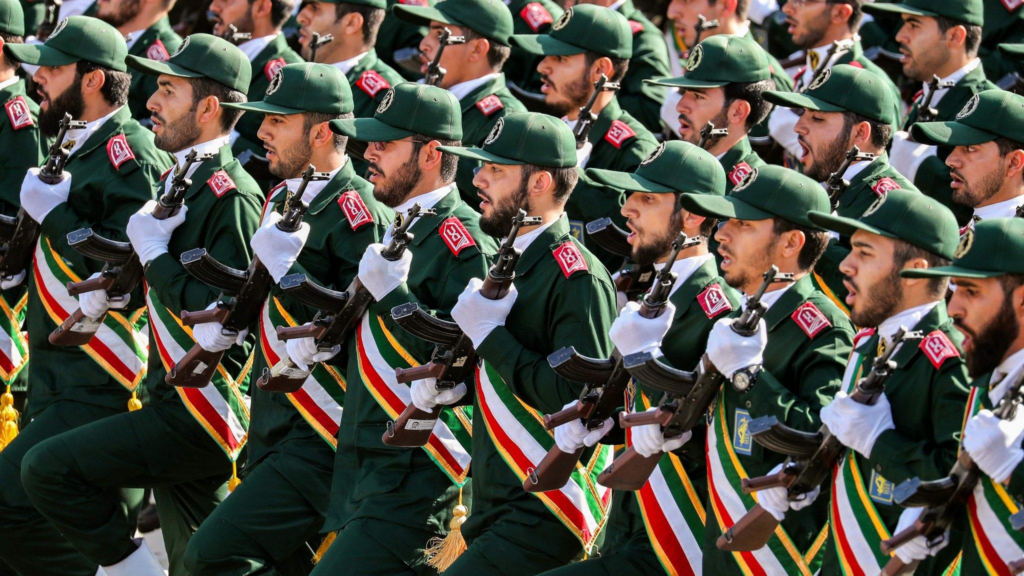
An adviser to the Islamic Revolutionary Guard Corps (IRGC) has publicly stated that Iran’s forces are fully trained and prepared for “the most complex scenarios,” signaling Tehran’s commitment to maintaining military readiness amid heightened tensions in the Middle East. The comments come at a time of increasing regional instability, including ongoing hostilities between Iran, Israel, and other regional actors.
The adviser emphasized that the IRGC has conducted extensive training exercises designed to simulate high-intensity conflict, asymmetric warfare, and complex operational environments. According to the official, these exercises aim to ensure that Iranian forces can respond effectively to any form of external aggression, while also protecting national security and territorial integrity.
In his remarks, the adviser highlighted that the IRGC’s training programs cover a wide range of scenarios, including missile defense operations, naval engagements, drone warfare, cyber operations, and coordination across multiple branches of the military. The statement reflects Iran’s focus on modernizing its capabilities to operate effectively in both conventional and asymmetric warfare situations.
The comments appear to be part of a broader messaging strategy by Tehran, aimed at demonstrating deterrence in the face of increasing military pressure from regional rivals and the United States. By emphasizing readiness for complex scenarios, Iranian officials signal both to domestic and international audiences that the country is capable of defending itself against potential threats.
Military analysts note that the IRGC has long been a central pillar of Iran’s defense strategy, tasked with safeguarding strategic assets and projecting influence in the region. Its specialized units, including naval, aerospace, and cyber divisions, are regularly involved in large-scale drills that simulate both defensive and offensive operations. Such exercises are intended to enhance operational coordination, improve rapid response capabilities, and demonstrate strength to potential adversaries.
The adviser’s statement also comes amid reports of escalating tensions in the Persian Gulf and the broader Middle East. With U.S.-Iran relations remaining strained, Iran’s emphasis on military preparedness is seen as a key component of its strategy to deter intervention, protect critical infrastructure, and assert regional influence.
Experts suggest that these declarations are not solely for domestic consumption. By publicly highlighting the IRGC’s capabilities and readiness, Iran sends a clear signal to rival states and global powers that any attempt to undermine its security will be met with a well-prepared response. This type of messaging can serve as both a deterrent and a form of psychological warfare, reinforcing Iran’s stance in a volatile geopolitical environment.
The IRGC adviser also stressed the importance of maintaining morale and discipline among troops. Training for “the most complex scenarios,” he explained, is not only about technical skill but also about instilling confidence, adaptability, and resilience in the face of unpredictable threats. These qualities, he argued, are essential for ensuring that Iranian forces remain capable under high-pressure conditions.
Observers note that Iran’s focus on readiness mirrors broader regional military trends, where states are investing heavily in multi-domain capabilities, rapid-response units, and advanced technology to maintain strategic advantage. In this context, the IRGC’s emphasis on complex scenario training reflects Iran’s commitment to evolving its military posture in response to emerging threats.
In conclusion, the IRGC adviser’s remarks underline Tehran’s ongoing efforts to enhance its military preparedness and resilience. By emphasizing training for “the most complex scenarios,” Iran is signaling both a deterrent message to potential adversaries and reassurance to its domestic audience regarding national security. Amid continued tensions in the region, the IRGC’s readiness represents a key element of Iran’s strategy to protect its interests and maintain influence in an increasingly volatile Middle East.