Jordanian military reports multiple aerial threats neutralized as regional tensions drive heightened air defense activity
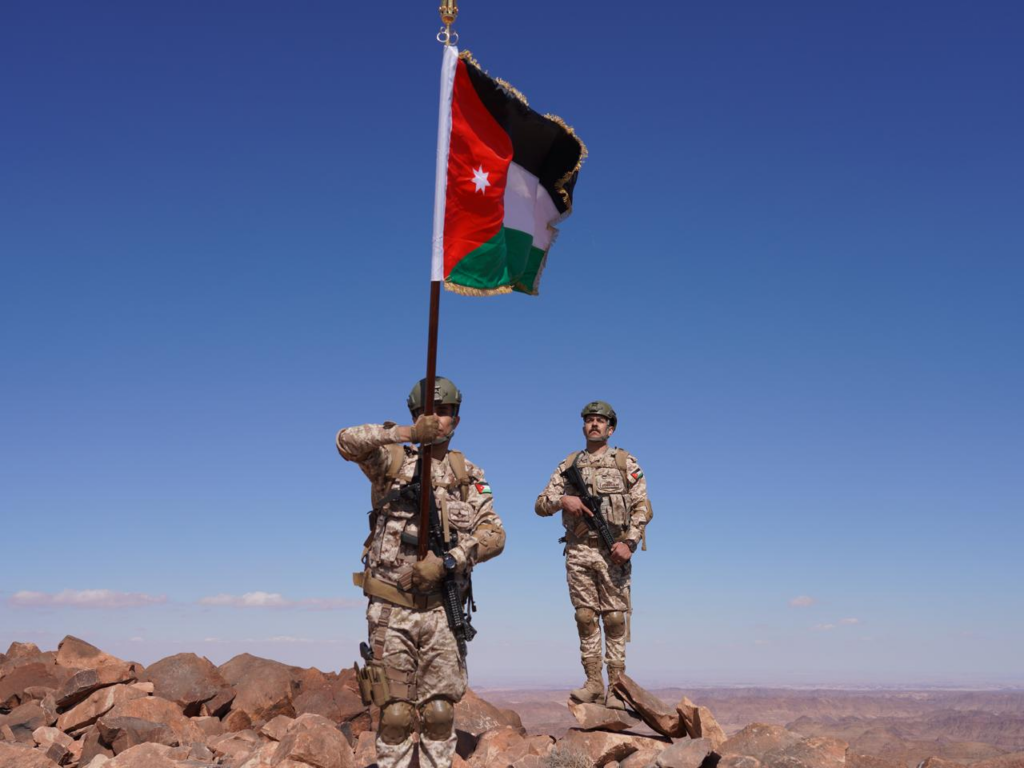
The Jordan Armed Forces has announced that its Royal Air Force successfully intercepted one missile and two drones that entered Jordanian airspace over the past 24 hours, amid rising regional security tensions and increased cross-border aerial activity.
According to the military statement, the interception operations were carried out as part of routine air defense readiness, with radar systems detecting incoming aerial threats at different intervals throughout the day and night. All three targets were tracked and neutralized before they could reach populated or strategic areas.
Air Defense Response
Jordan’s air defense systems were immediately activated after the unidentified missile and drones were detected approaching the kingdom’s airspace. Fighter jets and missile defense units were deployed to intercept the objects, preventing any confirmed damage or casualties on the ground.
The military emphasized that the response was swift and coordinated, highlighting the readiness of Jordan’s air defense infrastructure in handling multiple simultaneous threats.
Regional Context of Escalation
The interceptions come amid a broader surge in aerial activity across the Middle East, involving missiles and drones linked to regional conflict dynamics, including tensions involving Iran, Israel, and allied armed groups operating in neighboring countries.
Jordan, due to its geographic location, often finds itself within flight paths of aerial projectiles launched toward or near Israel and other regional targets, making its airspace a frequent zone of interception operations.
Previous Incidents and Rising Pressure
In recent weeks, Jordanian authorities have reported multiple interceptions of missiles and drones, along with incidents involving falling debris causing minor damage and injuries in some areas. While most threats are neutralized before impact, the frequency of alerts has placed increasing pressure on air defense systems.
Military officials have warned that sustained activity of this nature increases operational strain and raises the risk of accidental damage from intercepted debris.
Civilian Safety Measures
Authorities have urged residents to remain alert during air raid warnings and to follow official safety instructions when sirens are activated. Emergency services remain on standby across key regions to respond to any potential incidents.
Despite the successful interceptions, officials acknowledge that repeated alerts are impacting daily life and public security perceptions across the kingdom.
Conclusion
The interception of a missile and two drones within a 24-hour period underscores Jordan’s growing role as a key defensive buffer in a rapidly escalating regional conflict. As aerial threats continue to increase across the Middle East, the Jordan Armed Forces remain on high alert to protect national airspace and civilian safety.