Ministry imposes restrictions on sea traffic as regional tensions escalate and shipping routes face growing risks
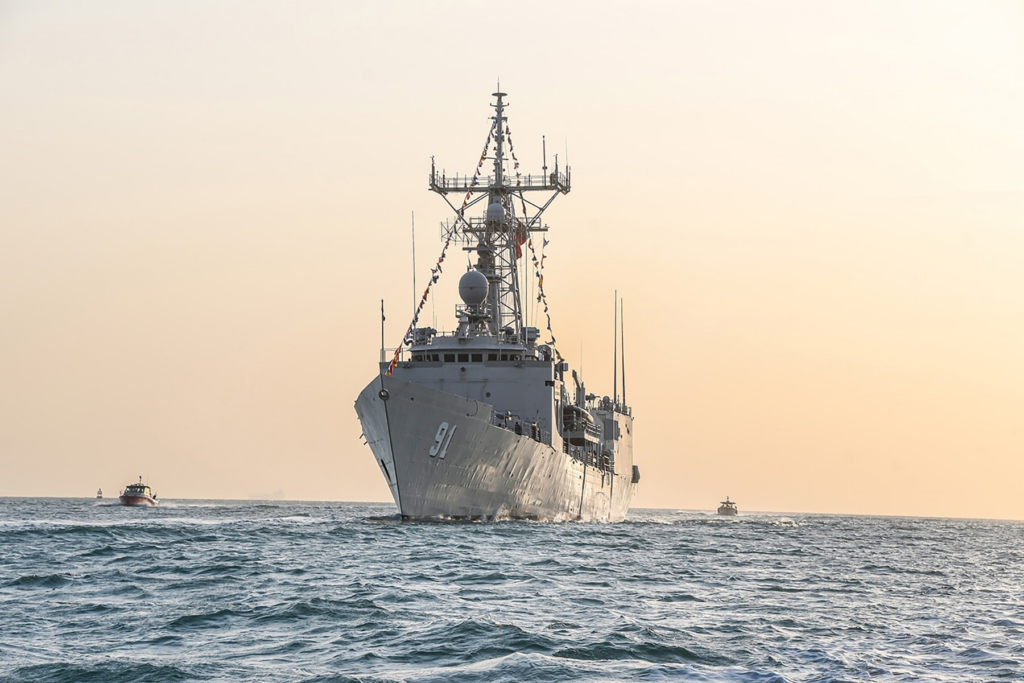
The government of Bahrain has announced a curfew on maritime traffic, citing heightened security concerns across the Gulf as regional tensions continue to escalate. The directive, issued by the country’s Ministry of Interior, places temporary restrictions on the movement of vessels in designated waters to ensure safety and maintain control over critical maritime routes.
According to official statements, the curfew will apply to specific time windows and areas within Bahrain’s territorial waters, with authorities urging all commercial and private vessels to strictly comply with the new regulations. The move comes amid increasing threats to shipping lanes, including missile and drone activity linked to the broader Middle East conflict.
Why the Curfew Was Imposed
The decision follows a series of recent incidents targeting maritime and industrial infrastructure in the Gulf region. With ongoing hostilities involving Iran, Israel, and allied actors, regional waters—particularly near strategic chokepoints—have become increasingly volatile.
Bahraini authorities emphasized that the curfew is a precautionary measure aimed at reducing risks to vessels, crews, and port infrastructure. By limiting movement during high-risk periods, the government seeks to minimize exposure to potential aerial or naval threats.
Impact on Shipping and Trade
Bahrain’s waters are closely connected to major global shipping routes, including those leading to the Strait of Hormuz, through which a significant portion of the world’s oil supply passes. Any restriction on maritime activity in the region has immediate implications for trade, logistics, and energy markets.
Shipping companies and logistics operators are expected to adjust schedules, reroute vessels, or delay departures to comply with the curfew. Industry analysts warn that prolonged restrictions could lead to increased shipping costs, delays in cargo delivery, and potential disruptions in supply chains.
Regional Security Context
The maritime curfew reflects a broader pattern of defensive measures being adopted by Gulf states in response to escalating threats. Recent weeks have seen missile strikes, drone attacks, and attempted disruptions targeting both land-based and maritime assets across the region.
Bahrain, like other Gulf nations, has been enhancing its security posture to protect critical infrastructure and maintain stability. The curfew is part of a wider strategy that includes increased naval patrols, surveillance operations, and coordination with regional and international partners.
Safety and Compliance Measures
Authorities have instructed all vessel operators to adhere strictly to the curfew guidelines and maintain communication with maritime control centers. Violations could result in penalties or enforcement actions, as the government prioritizes safety during this period of heightened risk.
Fishermen, private boat owners, and commercial shipping operators have also been advised to remain updated on official announcements and avoid unnecessary travel during restricted hours.
What This Means Going Forward
The introduction of a maritime curfew signals the seriousness of the current security environment in the Gulf. While intended as a temporary measure, its duration will likely depend on how the regional conflict evolves and whether threats to maritime safety persist.
For Bahrain and its neighbors, maintaining secure and open shipping routes remains a top priority, particularly given the economic importance of maritime trade. However, the curfew highlights the growing challenges faced by countries in balancing security needs with economic activity.
Conclusion
Bahrain’s decision to impose a maritime curfew underscores the increasing risks facing Gulf waters amid ongoing regional conflict. As tensions continue, such measures may become more common, reflecting a shift toward heightened security and precaution in one of the world’s most critical maritime regions.