Multiple barrages fired in quick succession as Tehran intensifies attacks, triggering widespread alerts across Israel
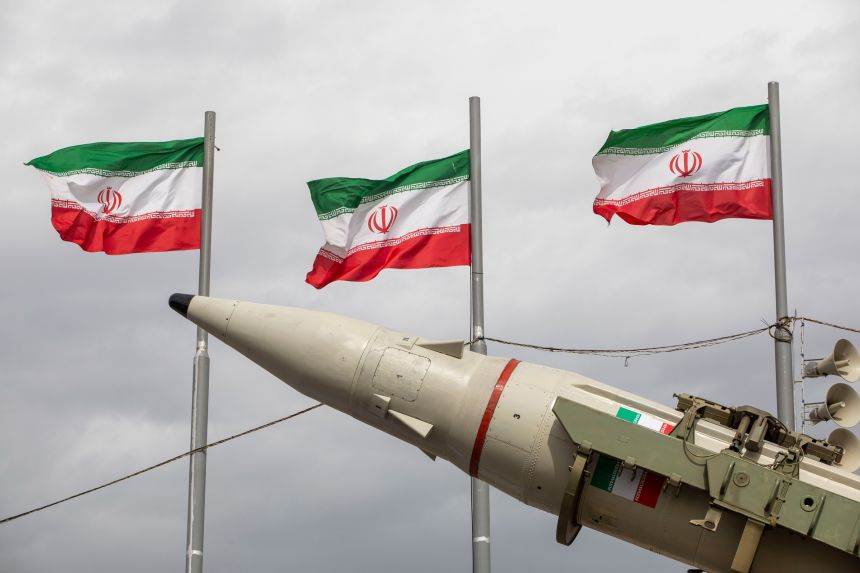
Iran has launched three consecutive waves of missiles toward Israel since early morning, according to Iranian state television, marking a significant escalation in the ongoing conflict and highlighting Tehran’s ability to sustain repeated attacks throughout the day.
Reports indicate that the missile waves were fired in intervals, targeting multiple regions across Israel. Air raid sirens were activated nationwide, with civilians instructed to immediately seek shelter as incoming projectiles were detected by Israeli defense systems.
Recent developments confirm that multiple missile waves have indeed been launched, with Israeli authorities acknowledging ongoing barrages and interception efforts.
Wave-Based Attack Strategy
The use of multiple waves reflects a deliberate military strategy by Iran, designed to overwhelm air defense systems by launching missiles in staggered intervals rather than a single large barrage. This approach increases pressure on interception systems and raises the likelihood of some missiles or debris reaching the ground.
Military analysts note that wave-based attacks allow Iran to:
- Sustain pressure over extended periods
- Force continuous activation of defense systems
- Exploit potential gaps between interception cycles
Israeli Defense Response
The Israel Defense Forces confirmed that its air defense systems were actively engaged throughout the day, intercepting incoming missiles as they were detected.
Israel relies on a multi-layered defense network, including systems designed to counter short- and long-range threats. Despite high interception success rates, officials have acknowledged that some projectiles or debris may still land, posing risks to civilians and infrastructure.
Impact on the Ground
The repeated missile waves triggered continuous sirens and explosions across various parts of Israel, disrupting daily life and forcing residents to remain close to shelters.
In southern Israel, a strike or debris impact reportedly hit an industrial facility, causing damage and a fire, though no casualties were confirmed.
Even when interceptions are successful, falling debris can result in:
- Structural damage
- Fires in industrial or residential areas
- Injuries from shrapnel
Ongoing Conflict Context
The latest missile waves come amid intensified hostilities between Iran and Israel, with both sides carrying out strikes on military and strategic targets. Despite reports that parts of Iran’s missile infrastructure have been damaged, Tehran continues to demonstrate the ability to launch repeated attacks.
This resilience is largely attributed to:
- Underground missile storage facilities
- Mobile launch platforms
- Decentralized command structures
Rising Risk of Further Escalation
The launch of three waves in a single day signals that the conflict is entering a more intense phase, with sustained and coordinated attacks becoming more frequent.
Analysts warn that continued wave-based strikes could:
- Increase strain on Israeli defenses
- Expand the geographical scope of attacks
- Heighten the risk of broader regional escalation
Conclusion
Iran’s launch of three missile waves toward Israel since morning underscores a shift toward sustained, high-frequency attacks. As both sides continue to escalate military operations, the situation remains highly volatile, with civilians facing ongoing risks from repeated aerial threats and defensive interceptions.