U.S. escalation warning raises global alarm as tensions over critical oil route intensify
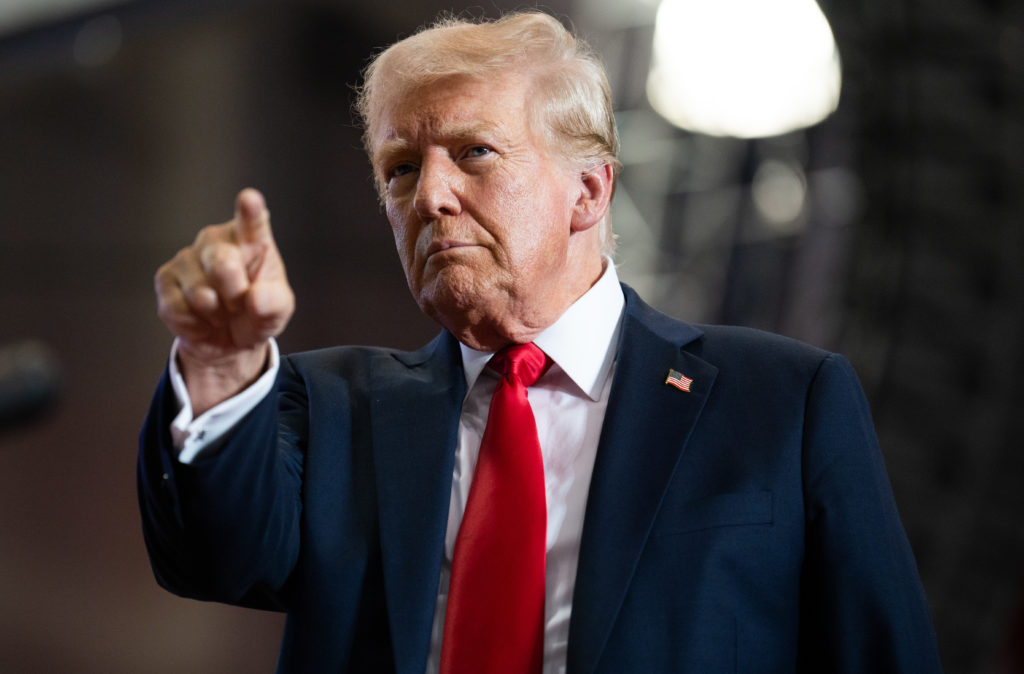
U.S. President Donald Trump has issued a stark warning to Iran, threatening to “obliterate” Iranian infrastructure if the Strait of Hormuz remains closed to international shipping.
The statement comes amid rising tensions in the Gulf, where the Strait of Hormuz—one of the world’s most critical maritime routes—has become a focal point of the ongoing conflict. Any disruption to this narrow passage, through which a significant portion of global oil supply flows, has immediate economic and geopolitical consequences.
Trump’s Warning and Strategic Message
In his remarks, Trump made it clear that the United States views the closure of the Strait of Hormuz as unacceptable. He warned that any continued disruption would trigger a decisive military response targeting Iranian infrastructure, signaling a potential escalation beyond current levels of conflict.
The statement reflects Washington’s longstanding position that freedom of navigation in the Strait must be maintained, particularly given its importance to global energy markets.
Why the Strait of Hormuz Matters
The Strait of Hormuz connects the Persian Gulf to international waters and is responsible for transporting roughly 20% of the world’s oil supply. Any closure or restriction can:
- Disrupt global energy markets
- Trigger sharp increases in oil prices
- Impact international trade and shipping routes
For this reason, the waterway is considered a strategic lifeline not just for Gulf countries, but for the global economy.
Rising Gulf Tensions
The threat comes amid increasing hostilities involving Iran, the United States, and regional allies. In recent weeks, there have been reports of missile attacks, drone strikes, and disruptions to maritime activity across the Gulf.
Iran has previously suggested that it could restrict access to the Strait of Hormuz in response to military pressure or sanctions, a move that would significantly escalate the conflict.
Global Reaction and Economic Impact
Trump’s remarks have already sent ripples through global markets, with oil prices reacting to the possibility of further escalation. Analysts warn that even the threat of military action targeting infrastructure could:
- Increase market volatility
- Raise shipping insurance costs
- Heighten geopolitical risk
International observers have also expressed concern that such rhetoric could undermine diplomatic efforts aimed at de-escalating the crisis.
Risk of Wider Conflict
A direct U.S. strike on Iranian infrastructure would represent a major escalation, potentially triggering retaliation from Iran and its regional allies. This could lead to a broader conflict affecting multiple countries across the Middle East.
Military analysts warn that the situation is highly sensitive, with the Strait of Hormuz acting as a flashpoint where economic interests and military strategy intersect.
Conclusion
Donald Trump’s threat to “obliterate” Iranian infrastructure if the Strait of Hormuz remains closed underscores the seriousness of the current crisis. As tensions rise over control of this vital shipping route, the risk of further escalation remains high, with significant implications for global energy security and regional stability.