New statement criticizes Israeli policy while commending ongoing military actions against Israeli forces in Lebanon
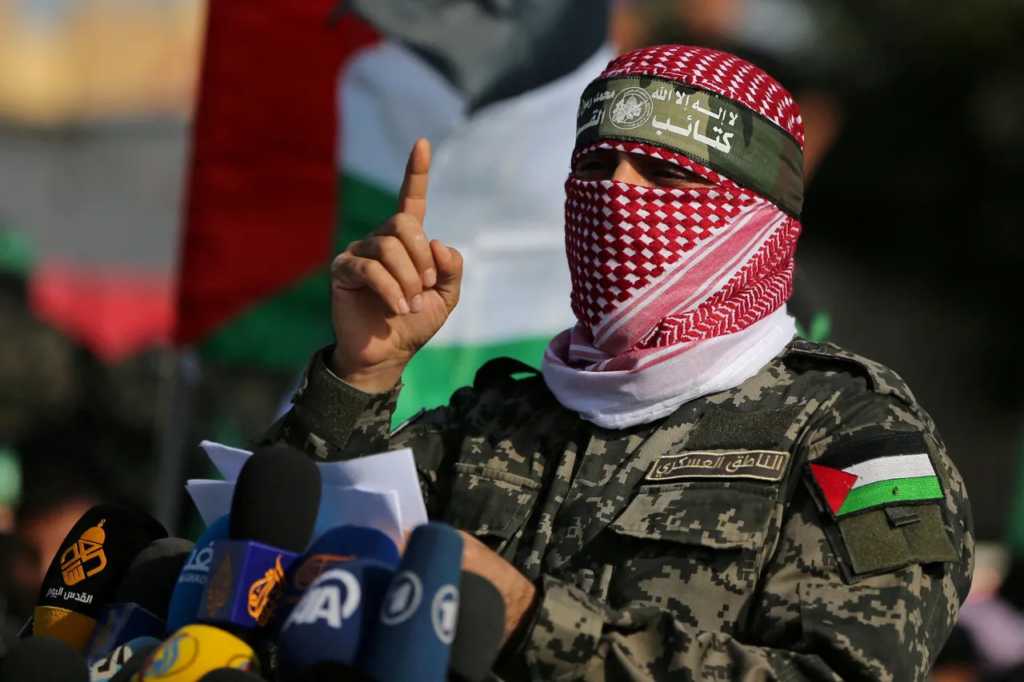
A new statement issued by Abu Obeida, the spokesman for Hamas, has strongly condemned Israel’s reported death penalty law while praising ongoing military operations targeting Israeli forces in southern Lebanon.
The statement, released through Hamas-affiliated channels, reflects the group’s continued hardline stance amid escalating regional tensions and ongoing clashes involving multiple fronts, including Gaza, Lebanon, and northern Israel.
Condemnation of Death Penalty Law
Abu Obeida criticized what he described as Israel’s implementation or consideration of a death penalty law, calling it a violation of human rights and an example of what he termed oppressive policies against Palestinians.
He argued that such measures would further inflame tensions and deepen conflict in the region, warning that punitive legal actions could lead to increased resistance and instability.
Praise for Lebanon Operations
In the same statement, Abu Obeida praised ongoing operations in Southern Lebanon, where Hezbollah and other allied groups have been engaged in clashes with Israeli forces.
He described these operations as part of a broader regional effort to confront Israeli military activity and expressed support for continued actions along the northern front.
Wider Conflict Context
The statement comes amid a period of heightened escalation involving Israel, Iran, and allied armed groups across the Middle East. Lebanon has become a major flashpoint, with frequent exchanges of fire between Israeli forces and Hezbollah fighters.
Statements from groups like Hamas often aim to:
- Rally regional support
- Influence public opinion
- Signal alignment with allied forces
Political and Security Implications
Such rhetoric is likely to further intensify tensions, as public statements praising military operations can reinforce ongoing hostilities and reduce the likelihood of diplomatic de-escalation.
Analysts note that messaging from militant groups plays a significant role in shaping the narrative of the conflict, particularly during periods of active military engagement.
Conclusion
Abu Obeida’s latest statement condemning Israel’s death penalty law while praising operations in Lebanon highlights the continued escalation in both rhetoric and military activity across the region. As tensions remain high, such developments underscore the complexity and volatility of the ongoing conflict.