Critical water infrastructure hit amid intensifying Iran-US conflict, raising regional water security concerns
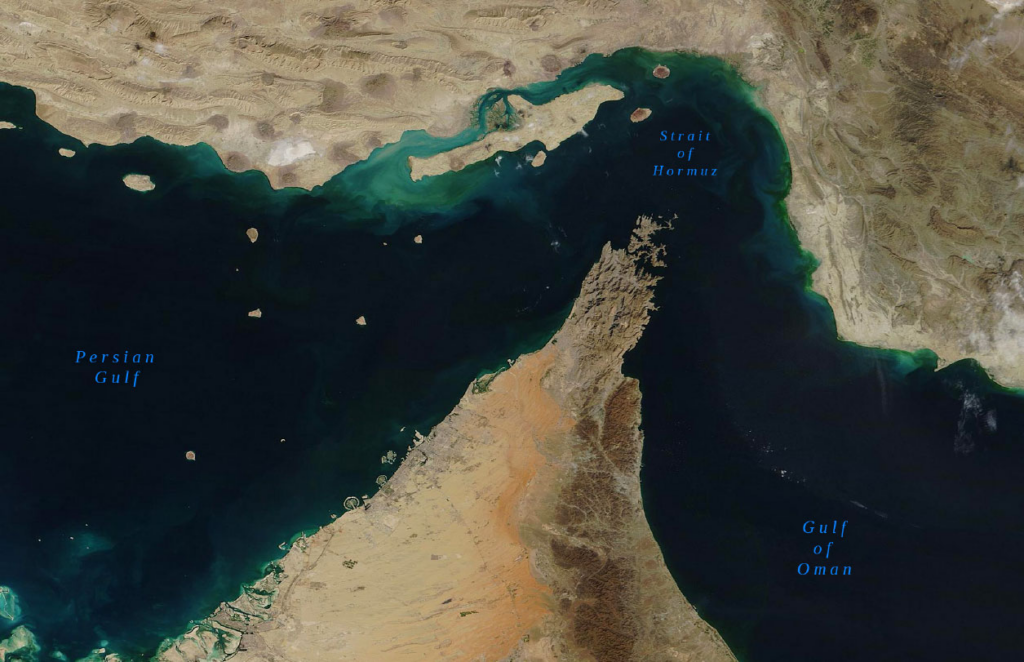
According to multiple media reports, a **desalination plant on an Iranian island in the strategic Strait of Hormuz has been damaged by strikes, underscoring the expanding impact of the ongoing conflict in the Middle East. The facility, located on Qeshm Island, plays a vital role in supplying freshwater to nearby communities, and its damage has sparked both humanitarian and geopolitical alarm.
What Happened
On March 7, 2026, reports emerged that a desalination plant on Qeshm Island was struck during military operations connected to the broader Iran-US war. Iranian authorities claimed that the strike disrupted water supplies to around 30 villages on the island, emphasizing the significant local impact of the damage.
While both the United States and Israel have denied responsibility for the attack, the incident has nonetheless brought the vulnerability of critical civilian infrastructure into sharp focus.
Strategic Importance of the Facility
Desalination plants are a lifeline in the water-scarce Gulf region, where natural freshwater resources are limited. Facilities like the one on Qeshm Island provide potable water to communities that would otherwise face severe shortages. Damage to such infrastructure therefore has both immediate and long-term implications for local populations.
The Strait of Hormuz itself is one of the world’s most critical maritime chokepoints, through which a significant portion of global oil supply transits. The presence of essential civilian infrastructure like desalination plants in such a strategically sensitive area highlights how the conflict is affecting not just military targets but also essential services.
Humanitarian and Regional Concerns
The reported disruption of water supplies to dozens of villages has raised concerns among humanitarian organizations and regional observers. In a region already facing environmental stress and limited water resources, any interruption to desalination output can have severe consequences for daily life, public health, and economic activity.
Experts have warned that attacks on water infrastructure could be seen as violations of international humanitarian law, given the essential nature of water for civilian populations. Targeting or damaging such facilities can exacerbate humanitarian crises and deepen mistrust among conflicting parties.
Broader Conflict Context
The strike on the Qeshm Island desalination plant comes amid escalating hostilities involving Iran, the United States, and allied forces. The conflict has seen a series of airstrikes, missile launches, and naval operations that have extended beyond purely military targets.
Recent reports indicate that tensions remain high across the region, with global oil markets reacting to instability and concerns over supply disruptions. The Strait of Hormuz, already central to global energy flows, has become a flashpoint in the broader geopolitical struggle.
International Reactions
The international community has expressed varying responses to the damage to the desalination plant. Some observers stress the need for restraint and adherence to international law, especially regarding civilian infrastructure. Others warn that further escalation could deepen the humanitarian impact and strain diplomatic efforts to de-escalate the conflict.
Looking Ahead
As investigations continue into the circumstances surrounding the strike, questions remain about accountability and the future protection of critical infrastructure in conflict zones. The incident highlights the growing complexity of modern warfare, where essential civilian services can become collateral damage or even direct targets, with far-reaching consequences for regional stability and civilian wellbeing.