Araghchi and Qalibaf removed from target list as diplomatic efforts seek fragile window for talks
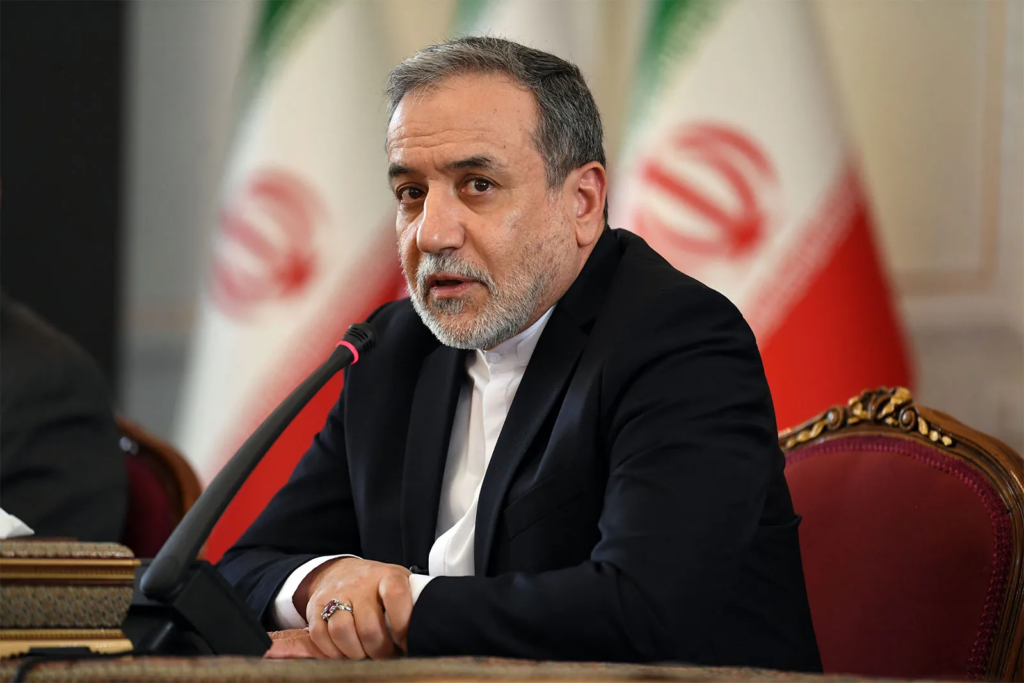
In a significant behind-the-scenes development, Israel reportedly held off plans to target senior Iranian officials following requests linked to the United States and Pakistan, according to multiple international reports.
The officials involved include Abbas Araghchi and Mohammad-Baqer Qalibaf—two key figures in Iran’s political and diplomatic structure. Reports indicate they were temporarily removed from a potential target list to allow space for possible negotiations.
Sources suggest that Pakistan, along with other regional players, has been actively engaged in mediation efforts between Washington and Tehran. Islamabad reportedly conveyed concerns that eliminating senior Iranian leadership figures could shut down any remaining chances of dialogue.
The move appears to be part of a broader attempt to create a short diplomatic window amid escalating conflict. Analysts say targeting high-level officials at this stage could have further destabilized Iran’s leadership structure and made negotiations nearly impossible.
Despite this development, the situation remains highly uncertain. Iran has publicly denied that any formal negotiations are taking place and has rejected U.S.-backed proposals for a ceasefire, instead presenting its own conditions for ending the conflict.
At the same time, military operations continue across multiple fronts, including missile exchanges, airstrikes, and clashes involving regional allies. This dual track—ongoing conflict alongside quiet diplomatic efforts—highlights the complexity of the current crisis.
From a strategic perspective, sparing key political figures may reflect a shift toward preserving potential negotiating partners rather than eliminating leadership entirely. Experts note that past conflicts have shown that removing too many senior figures can create power vacuums, often leading to more hardline elements gaining control.
Pakistan’s role in this process is particularly notable. The country has maintained communication channels with both Iran and the United States, positioning itself as a potential mediator at a time when direct contact between Washington and Tehran remains limited.
However, the pause in targeting does not necessarily signal de-escalation. Reports suggest that the removal of these officials from the target list may only be temporary, with military options still on the table if diplomatic efforts fail.
In conclusion, Israel’s reported decision to back off targeting Araghchi and Qalibaf following U.S.–Pakistan involvement points to fragile and indirect diplomatic activity amid an otherwise intensifying conflict. While it may offer a brief opportunity for dialogue, the overall trajectory of the remains highly volatile.