Death of Hormuz commander raises fears of escalation and global energy disruption
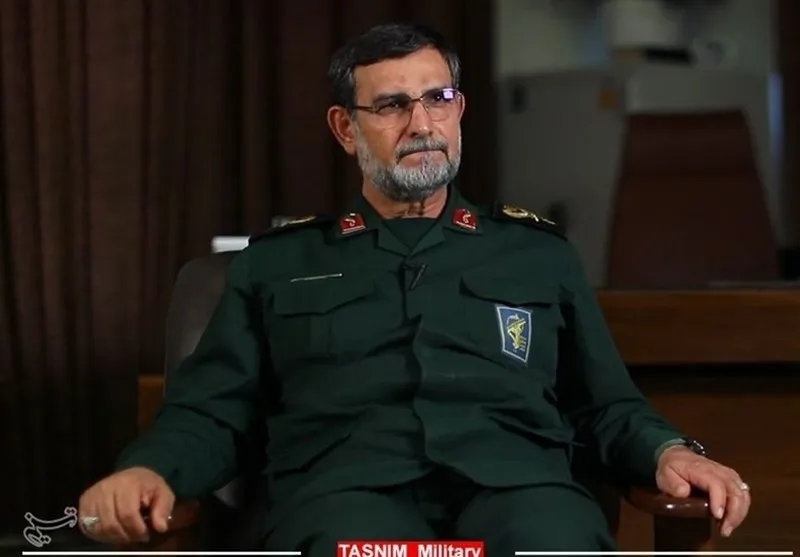
An elite Iranian naval commander linked to control of the strategic Strait of Hormuz has reportedly been killed in an Israeli airstrike, according to emerging media reports. The incident marks a significant escalation in the ongoing conflict and could have far-reaching geopolitical and economic consequences.
The commander, identified in reports as a senior figure within Iran’s naval forces, was allegedly targeted in a precision strike near the southern port city of Bandar Abbas. The area is considered highly sensitive due to its proximity to the Strait of Hormuz, a critical global energy corridor through which nearly 20% of the world’s oil supply passes.
According to reports, the commander played a central role in Iran’s recent decision to restrict or threaten shipping movements through the strait—actions that had already sent shockwaves through global energy markets and pushed oil prices higher.
Israeli sources cited in media coverage claim the strike was part of a broader campaign targeting Iran’s military leadership and strategic capabilities. If confirmed, the killing would be one of the most high-profile assassinations of an Iranian military figure in the current conflict.
Iran has not yet officially confirmed the death, and details remain limited. However, the reported assassination follows a pattern of targeted strikes against senior Iranian commanders in recent weeks, signaling an intensifying strategy aimed at weakening command structures.
The potential implications of this development are significant. The commander was reportedly responsible for overseeing naval operations in the Gulf and enforcing policies related to maritime access. His death could disrupt Iran’s naval coordination—or, conversely, trigger a more aggressive response from Tehran.
Military analysts warn that such high-level assassinations often lead to rapid escalation. Iran has previously vowed retaliation for attacks on its leadership, raising concerns that the region could see further missile strikes, naval confrontations, or disruptions to global shipping routes.
The situation is particularly sensitive due to the strategic importance of the Strait of Hormuz. Any renewed threats or attempts to block the waterway could severely impact global oil supplies, driving up prices and affecting economies worldwide.
International reactions are expected as more details emerge. Global powers have already expressed concern about the increasing intensity of the conflict, especially as it begins to directly affect critical infrastructure and القيادة structures.
In conclusion, the reported assassination of Iran’s elite naval commander represents a major development in the conflict. Whether it leads to operational disruption or further escalation remains uncertain, but the stakes—both militarily and economically—are now significantly higher.