Israel Criticizes Iran’s Government for Systematic Human Rights Abuses and Threats to the Safety of Its Citizens
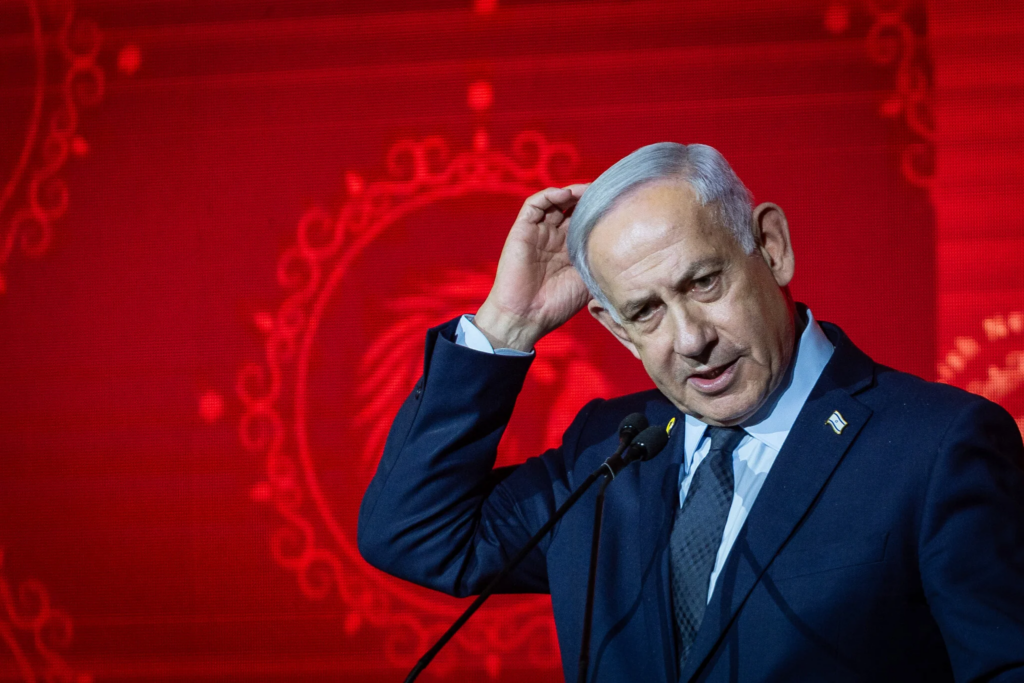
In a recent sharp condemnation, Israeli officials have labeled the current Iranian regime as “anti-humanity,” accusing it of systemic human rights violations and creating an environment where the safety of citizens is not guaranteed. The statements come as part of Israel’s ongoing criticism of Iran’s government, which has been embroiled in a series of controversial policies both domestically and internationally. The Israeli remarks highlight the deepening tensions between the two nations, which have long been at odds over issues related to security, governance, and the treatment of human rights.
Israel’s Accusations: A Broader Critique of the Iranian Government
Israel’s condemnation of Iran is not new. The two countries have been longstanding adversaries, with Iran’s support for militant groups like Hezbollah and Hamas, as well as its nuclear ambitions, fueling hostilities. However, the recent statements by Israeli officials represent a more forceful rhetoric aimed specifically at Iran’s treatment of its own people and its stance on human rights.
Israeli Foreign Minister Eli Cohen recently asserted that Iran’s actions violate basic human rights, pointing to the regime’s brutal crackdown on protests, arbitrary arrests, suppression of free speech, and mistreatment of ethnic and religious minorities. One of the most prominent examples of this is the ongoing oppression of women’s rights, especially after the death of Mahsa Amini in September 2022, which sparked massive protests across the country. The regime’s response to these demonstrations—marked by violence, mass arrests, and executions—has been widely condemned by human rights organizations and international governments, including Israel.
In addition to domestic human rights abuses, Israel’s critique extends to the Iranian government’s role in supporting oppressive regimes and groups outside its borders. Iran’s backing of the Syrian regime of Bashar al-Assad, along with its involvement in destabilizing activities in countries like Yemen and Iraq, has led to accusations that Iran is exporting its authoritarian practices and threatening regional stability. Israel, as one of the most significant powers in the region, has been a vocal opponent of Iran’s regional influence and its efforts to build a nuclear weapons capability.
Human Rights Violations: A Systematic Issue
Israel’s criticism underscores the severity of the human rights abuses in Iran, particularly under the current leadership of Supreme Leader Ali Khamenei and President Ebrahim Raisi. Over the years, various human rights organizations, including Amnesty International and Human Rights Watch, have repeatedly highlighted Iran’s consistent pattern of violations. These violations span a wide range of abuses, from arbitrary detention and torture to restrictions on freedom of expression and the targeting of activists and journalists.
One of the most alarming aspects of Iran’s human rights record is its treatment of women. The death of Mahsa Amini, a 22-year-old Kurdish woman who died after being detained by Iran’s “morality police” for allegedly violating the country’s strict dress code, led to widespread protests. These protests, which became one of the largest demonstrations in Iran in recent history, were met with violent suppression by Iranian authorities. The crackdown resulted in hundreds of deaths and thousands of injuries, further exposing the regime’s oppressive nature. Iranian authorities have also targeted women’s rights activists, leading to arrests and imprisonments that continue to be a hallmark of the regime’s policies.
Additionally, Iran’s treatment of religious minorities has raised international concern. Christians, Baha’is, Jews, and Sunni Muslims have faced persecution for their beliefs, with authorities regularly cracking down on religious gatherings and imprisoning individuals on charges related to “spreading propaganda” or “undermining national security.” This systematic discrimination against religious and ethnic minorities adds another layer to the ongoing criticism of Iran’s human rights record.
The Iranian Government’s Response: Deflecting Criticism
The Iranian government has consistently rejected accusations of human rights violations, labeling them as part of a Western smear campaign. Iranian officials argue that their government is simply protecting national security and combating foreign interference, particularly from the United States and Israel. Iran’s leadership has also claimed that the human rights rhetoric is an attempt to undermine the country’s sovereignty and its right to maintain social and cultural norms that align with its religious and political ideologies.
In response to Israel’s most recent criticisms, Iran has accused the Israeli regime of hypocrisy, pointing to Israel’s own record on human rights, particularly with regard to its treatment of Palestinians. Iran often uses the Israeli-Palestinian conflict to deflect international pressure, arguing that Israel’s actions in Gaza and the West Bank are far worse than those of Iran. This narrative is widely promoted by Iranian state media and its diplomatic apparatus, which aims to shift the focus away from internal human rights issues and onto external criticisms.
Despite these rebuttals, Israel’s call for greater international scrutiny of Iran’s regime reflects broader concerns among Western and Arab countries regarding Iran’s governance. Many nations are now questioning how much longer the Iranian regime can continue to suppress dissent, engage in regional conflicts, and ignore human rights obligations without facing significant global repercussions.
International Reactions and Calls for Accountability
Israel’s statements regarding Iran’s human rights violations are part of a broader international effort to hold Iran accountable for its actions. Many Western countries, including the United States and members of the European Union, have condemned the Iranian government for its repression of dissent, its nuclear ambitions, and its involvement in regional conflicts. Sanctions have been imposed on Iran, targeting its economy, military capabilities, and officials accused of human rights violations.
Furthermore, human rights organizations continue to push for greater international pressure on Iran. Amnesty International, Human Rights Watch, and other NGOs have called on the United Nations to take stronger action against the Iranian regime, including the potential referral of Iran’s actions to the International Criminal Court (ICC). The international community is increasingly calling for a united approach to dealing with Iran’s persistent human rights abuses, while also addressing its destabilizing actions in the Middle East.
Conclusion: The Ongoing Struggle for Human Rights in Iran
As Israel continues to highlight the human rights violations of the Iranian regime, the call for accountability grows louder. Israel’s denunciation of Iran is part of a broader international outcry against a government that has shown a flagrant disregard for the rights of its citizens and those of its neighbors. Whether through oppressive domestic policies or destabilizing regional actions, Iran’s leadership has drawn the ire of many countries. However, despite this growing criticism, the Iranian government remains entrenched in its position, with little indication that it will alter its policies in the near future.
The ongoing struggle for human rights in Iran is far from over, and as the international community continues to push for change, the need for a concerted effort to address these issues is more urgent than ever. Israel’s voice in this conversation, although shaped by its own regional interests, adds to the growing pressure on Iran to confront its human rights record and embrace reform.