Washington signals strong opposition to Iran’s hardline leadership as tensions with Tehran deepen
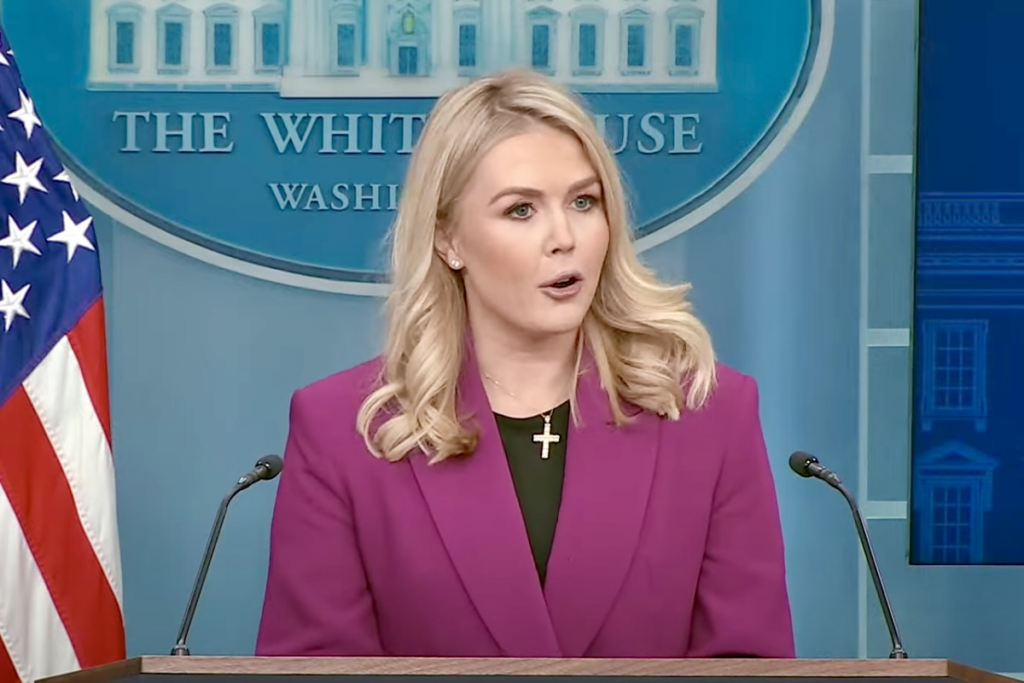
The United States has declared that it does not want Iran to be led by what American officials describe as a “radical terrorist regime,” a statement reflecting growing tensions between Washington and Tehran as the Middle East conflict intensifies. The remarks came as U.S. President Donald Trump and senior officials reacted to Iran’s leadership transition and the continuing war involving Iran, Israel, and American forces in the region.
Speaking to reporters and during recent public statements, Trump said the United States hopes that Iran will eventually move away from leadership that promotes extremism and hostility toward the West. According to the U.S. administration, Washington’s long-term objective is to prevent Iran from being governed by leaders who support militant groups, threaten regional stability, and pursue nuclear weapons capabilities.
The statement follows the controversial appointment of Mojtaba Khamenei, the son of former Supreme Leader Ali Khamenei, as Iran’s new supreme leader after his father’s death earlier this year. The leadership transition has intensified geopolitical tensions, with the United States expressing concern that the new leadership could reinforce Iran’s hard-line policies and increase confrontation with Western powers.
U.S. Concerns Over Iran’s Leadership
American officials have long accused Iran’s ruling system of supporting militant groups across the Middle East, including Hezbollah, Hamas, and the Houthi movement in Yemen. According to U.S. policy statements, Washington views Iran as the world’s leading state sponsor of terrorism and argues that the country’s leadership has repeatedly backed armed groups that target U.S. allies and interests.
During remarks about the ongoing war, Trump warned that the United States will not accept a government in Tehran that continues to support militant proxies and threaten other nations. In previous statements about the conflict, he argued that American military actions are necessary to prevent what he described as a “radical, bloodthirsty terrorist regime” from acquiring nuclear weapons and expanding its influence across the region.
U.S. officials say their strategy focuses on weakening Iran’s military infrastructure and reducing the power of organizations connected to the Islamic Revolutionary Guard Corps (IRGC), which Washington considers a key driver of Iran’s regional military operations.
Leadership Transition in Tehran
Iran’s political system is dominated by the position of Supreme Leader, the highest authority in the country who oversees the military, judiciary, and major state institutions. The appointment of Mojtaba Khamenei has sparked controversy both inside and outside Iran because he is widely seen as a hard-line cleric closely connected to the Revolutionary Guard and conservative factions within the government.
Some analysts believe that his leadership could lead to a continuation of Iran’s confrontational foreign policy. Experts cited in international reports describe him as potentially even more hard-line than his father, raising concerns among Western governments about the future direction of Iranian policy.
At the same time, Iranian officials have defended the leadership transition, insisting that the new leader will continue the country’s revolutionary ideology and resistance to Western pressure.
Escalating War and Military Tensions
The U.S. statement about Iran’s leadership comes amid an expanding regional conflict. The war intensified after coordinated strikes by the United States and Israel targeted Iranian military facilities, missile sites, and command centers earlier this year.
In response, Iran launched waves of ballistic missiles and drones toward Israeli territory and U.S. military installations in the Middle East. The confrontation has quickly become one of the most serious military escalations in the region in decades.
American officials argue that Iran’s leadership has played a central role in organizing attacks through allied groups across the region. U.S. intelligence agencies have also warned that Iran could attempt retaliatory actions beyond the Middle East, including cyber operations or attacks carried out by sympathetic groups abroad.
The situation has prompted the United States to increase military deployments and strengthen cooperation with regional allies.
Political Messaging and Strategic Goals
Trump’s comments about not wanting a “radical terrorist” leading Iran are part of a broader messaging strategy aimed at pressuring Tehran while signaling support for political change within the country. U.S. officials often emphasize that their opposition is directed at the Iranian government rather than the Iranian people themselves.
In several speeches, Trump has encouraged Iranian citizens to demand reforms and pursue a different political future for their country. The administration has framed its policy as a combination of military pressure, economic sanctions, and diplomatic isolation designed to force changes in Iran’s behavior.
Critics of the approach argue that strong rhetoric and military escalation could increase instability across the Middle East. Some analysts warn that attempts to influence leadership changes in Iran may provoke stronger resistance from Tehran’s ruling establishment.
Global Reactions
The U.S. position has generated mixed reactions internationally. Some American allies support Washington’s hard-line stance, arguing that Iran’s leadership has destabilized the region through proxy wars and missile programs.
Other countries, however, have called for diplomatic solutions and negotiations rather than escalating military confrontation. European leaders and several international organizations have urged both sides to avoid further escalation that could lead to a broader regional war.
Meanwhile, Iran continues to reject U.S. accusations and maintains that its policies are aimed at defending national sovereignty and resisting foreign intervention.
A Critical Moment in U.S.–Iran Relations
The statement that the United States does not want a “radical terrorist” leading Iran reflects the deep mistrust that has defined relations between the two countries for decades. From nuclear disputes to regional proxy conflicts, tensions between Washington and Tehran have repeatedly shaped the geopolitics of the Middle East.
With the war still ongoing and Iran undergoing a leadership transition, analysts believe the coming months could prove decisive in determining whether the conflict escalates further or moves toward a negotiated settlement.
For now, the U.S. government’s message remains clear: Washington is determined to challenge what it sees as extremist leadership in Tehran while maintaining pressure on Iran’s political and military establishment.