Authorities Accuse Suspects of Collecting Sensitive Images of Military Facilities as Iran Tightens Internal Security During Regional Conflict
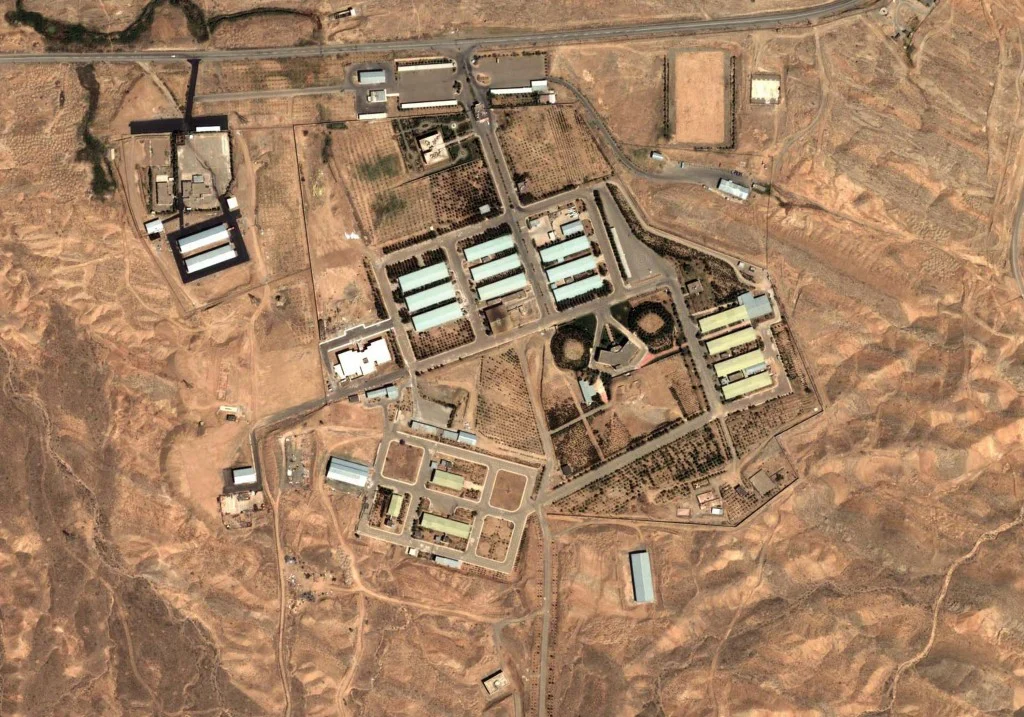
Iranian authorities have arrested 33 individuals accused of collecting and sharing images of sensitive military locations in the cities of Tehran and Hamedan, according to statements released by Iranian security officials. The arrests come amid heightened national security measures as Iran continues to face escalating military tensions with the United States and Israel, prompting authorities to intensify surveillance and crackdown on activities considered a threat to national defense infrastructure.
According to Iranian intelligence and security sources cited in regional media reports, the suspects were detained after allegedly photographing and gathering information about military installations, security facilities, and strategic locations. Authorities claim the individuals were attempting to send images and information to foreign networks or hostile actors involved in the ongoing regional conflict. The arrests are part of a broader campaign launched by Iranian security agencies aimed at preventing espionage and protecting critical infrastructure during wartime conditions.
Officials said the arrests were carried out following intelligence monitoring operations that detected suspicious activities involving individuals photographing military sites and sharing images online or through messaging platforms. Security forces reportedly confiscated mobile phones, cameras, and other electronic devices during the operation, which authorities say contained images of restricted facilities and potentially sensitive information.
The crackdown reflects growing concern within Iran about information leaks and digital intelligence gathering that could be used by foreign governments or military forces to identify targets during ongoing military operations. Iranian authorities have warned repeatedly that photographing or filming sensitive sites, including military bases and locations struck during recent air attacks, could be treated as espionage or collaboration with hostile entities. Officials describe such actions as part of what they call an “enemy information network” designed to assist foreign intelligence agencies.
Security agencies in Iran have also warned civilians against sharing photos or videos of military activity on social media platforms, stating that such content could reveal the location of critical facilities or defensive infrastructure. In recent statements, the Iranian Intelligence Ministry emphasized that documenting strike locations or military positions could effectively make individuals part of what officials describe as the “enemy’s information chain.”
The arrests in Tehran and Hamedan are part of a wider wave of detentions across the country linked to alleged espionage and information sharing. Iranian officials have reported the arrest of dozens of individuals accused of cooperating with foreign intelligence services, including people suspected of providing information to the United States or Israel.
Authorities say these arrests are necessary to prevent intelligence leaks that could aid military strikes against Iranian infrastructure. Since the outbreak of the regional conflict earlier in 2026, Iran has experienced multiple airstrikes targeting military sites, command centers, and other strategic facilities. In response, Iranian security agencies have significantly expanded surveillance operations and internal security measures.
Tehran, the country’s capital, hosts numerous government buildings, military headquarters, and key infrastructure sites that are considered highly sensitive from a national security perspective. Meanwhile, the western Iranian city of Hamedan also holds strategic importance because of its proximity to military bases and logistical facilities used by Iran’s armed forces. Authorities believe that collecting images of these sites could provide valuable intelligence to foreign military planners.
Iranian officials have not publicly disclosed the identities or nationalities of the 33 detainees, nor have they clarified whether the suspects are accused of acting independently or as part of an organized network. Investigations are ongoing, and authorities say additional arrests may occur if further evidence of espionage activities is uncovered.
The recent crackdown also reflects a broader pattern of domestic security enforcement in Iran during periods of geopolitical tension. Over the past decade, Iranian authorities have frequently arrested individuals suspected of espionage or collaboration with foreign intelligence agencies. In many cases, the government has accused detainees of working with countries it considers adversaries, including the United States and Israel.
Human rights organizations have previously criticized Iran’s use of espionage charges, arguing that some arrests may be politically motivated or linked to internal dissent. However, Iranian officials strongly reject these claims, insisting that security operations are aimed solely at protecting national sovereignty and preventing foreign interference.
Beyond the arrests themselves, Iranian authorities have also implemented stricter digital monitoring and internet restrictions in several areas of the country. Communications monitoring groups have reported disruptions and limited connectivity in certain regions, measures that analysts say are designed to prevent the spread of sensitive information online.
Security checkpoints and random phone inspections have also reportedly increased in major cities, particularly in Tehran. Residents have reported that security forces sometimes check mobile devices for photos or videos that may contain images of military sites or strike locations. These measures are part of what officials describe as an effort to stop the flow of sensitive information to hostile actors.
Analysts say the arrests highlight the growing importance of information security in modern warfare, where digital imagery and social media posts can quickly provide valuable intelligence to foreign militaries. In many modern conflicts, publicly shared photos or videos have been used to identify the location of weapons systems, military bases, or troop movements.
For Iran, preventing such leaks has become a major priority during the ongoing regional confrontation. Officials argue that protecting sensitive military information is critical for national defense and for preventing further attacks on strategic infrastructure.
As investigations continue, Iranian authorities have warned that anyone caught collecting or distributing images of restricted military facilities could face serious charges, including espionage and collaboration with hostile states. The arrests of 33 suspects in Tehran and Hamedan therefore represent not only a law-enforcement action but also a broader signal that Iran intends to enforce strict security controls during the current geopolitical crisis.