Electric Grid Disrupted as Iranian Missile Barrage Triggers Major Blackouts Amid Escalating Conflict
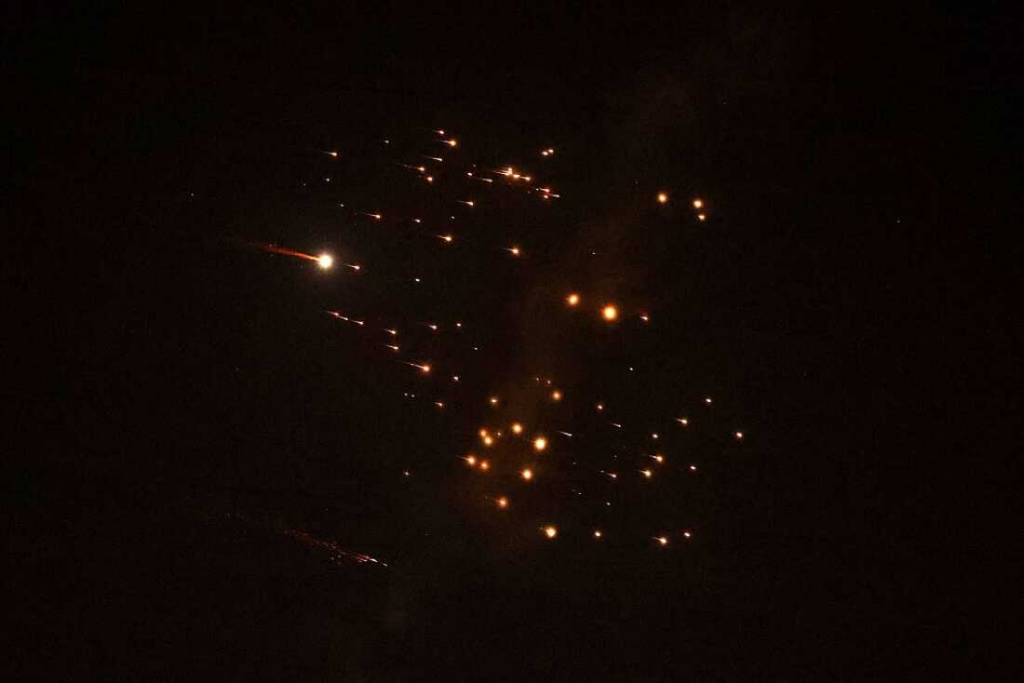
A dramatic power outage was reported in parts of Tel Aviv following an Iranian missile strike that struck Israel’s central region, causing widespread disruption to the city’s electrical grid and public services. According to eyewitness accounts and verified footage circulating online, large areas of Tel Aviv were plunged into darkness as air raid sirens wailed and residents scrambled to assess the situation.
The outage occurred shortly after Iranian forces launched a missile barrage targeting multiple locations within Israel’s central districts. Several missiles were intercepted by Israeli air defenses, but at least one reportedly penetrated deep into the country’s infrastructure, impacting electrical distribution lines that feed Tel Aviv and parts of the surrounding metropolitan area.
Footage shared on social media and verified by several major news outlets showed entire neighborhoods in Tel Aviv go dark, with traffic lights, street lamps, and business signage losing power almost simultaneously. Some buildings resorted to emergency backup generators, while others remained without light for upwards of several hours. Emergency services were mobilized to coordinate response efforts and support critical facilities that rely on continuous electricity, such as hospitals, public transportation hubs, and communication networks.
Iran’s decision to launch missiles at or near Israel’s energy and infrastructure facilities marks a notable escalation in the ongoing conflict that has embroiled the Middle East in recent months. The Iranian military has previously signaled its capability to strike deep into Israeli territory using ballistic missiles, and this latest barrage appears to underscore that capability. Analysts say that even when advanced air defense systems intercept many incoming projectiles, the threat of damage to infrastructure remains significant due to debris, technical failures, or saturation attacks.
Israeli authorities quickly confirmed that power disruptions were linked to the missile strike, issuing statements that engineers were working to stabilize the grid and restore electricity to affected neighborhoods. “Our priority right now is ensuring the safety of residents and the rapid restoration of essential services,” an official spokesperson said, emphasizing that the city’s electrical infrastructure was not deliberately targeted but suffered collateral damage due to the impact of the strike and subsequent defensive actions.
Tel Aviv’s power outage affected thousands of residents, prompting emergency responses across multiple sectors. Hospitals activated backup systems to ensure continuity of care, while public transportation services advised commuters to anticipate delays due to darkened roads and disrupted signaling systems. Traffic congestion worsened in areas without street lighting, raising safety concerns for drivers and pedestrians alike.
Energy analysts say that even limited disruptions to a major city’s power grid can have cascading effects on daily life and economic activity. Tel Aviv, as one of Israel’s largest urban centers and economic hubs, relies heavily on uninterrupted electricity to support businesses, technology firms, health services, and residential communities. Extended outages can contribute to economic losses, reduced productivity and heightened stress on emergency response teams.
The strike and ensuing blackout have also sparked renewed debate over the protection of critical infrastructure in wartime. While Israel’s national defense systems are among the most advanced globally, the ability of missiles to threaten power stations, transmission lines, and electrical substations highlights vulnerabilities that may require additional investment in resilient grid technologies and protective measures. Experts have suggested that decentralized microgrids, underground cabling, and redundant systems could mitigate the effects of future attacks.
Local business owners affected by the outage told reporters they were forced to close shops or operate under challenging conditions during peak hours. “We had customers waiting, but without power, it was unsafe to continue operations,” said one Tel Aviv café owner. Elsewhere, residents shared accounts of lighting candles, using mobile phones for illumination, and checking on neighbors to ensure their safety during the blackout.
Public reaction has also highlighted the emotional toll of living under the threat of missiles and intermittent infrastructure disruptions. Many residents took to social media to share their experiences, ranging from frustration over lost productivity to relief that more serious injuries did not occur. Some voiced support for national defense efforts, while others called for urgent negotiations to prevent further strikes that could endanger civilians and essential services.
While power has been partially restored to many areas, authorities warned that repair work could take time, particularly in zones where electrical infrastructure suffered the most significant damage. Crews worked around the clock to inspect lines, replace damaged transformers, and ensure that restored power would be stable and safe for long‑term use.
The impact of the Iranian missile strike and subsequent Tel Aviv blackout is likely to reverberate beyond the immediate moment, prompting discussions within Israel’s government and military about how to fortify urban electrical infrastructure against future attacks. In a region where modern warfare increasingly includes attacks on energy systems, ensuring the resilience of power grids will be key to maintaining civilian life and national stability.
As tensions continue to simmer and the conflict evolves, Tel Aviv’s recent experience stands as a powerful reminder of how modern cities can be affected by geopolitical warfare — not just through direct military engagements but through disruptions to the essential services that underpin everyday life.