Israel targets Iranian leadership and military infrastructure in a high-profile attack aimed at crippling Tehran’s internal security apparatus
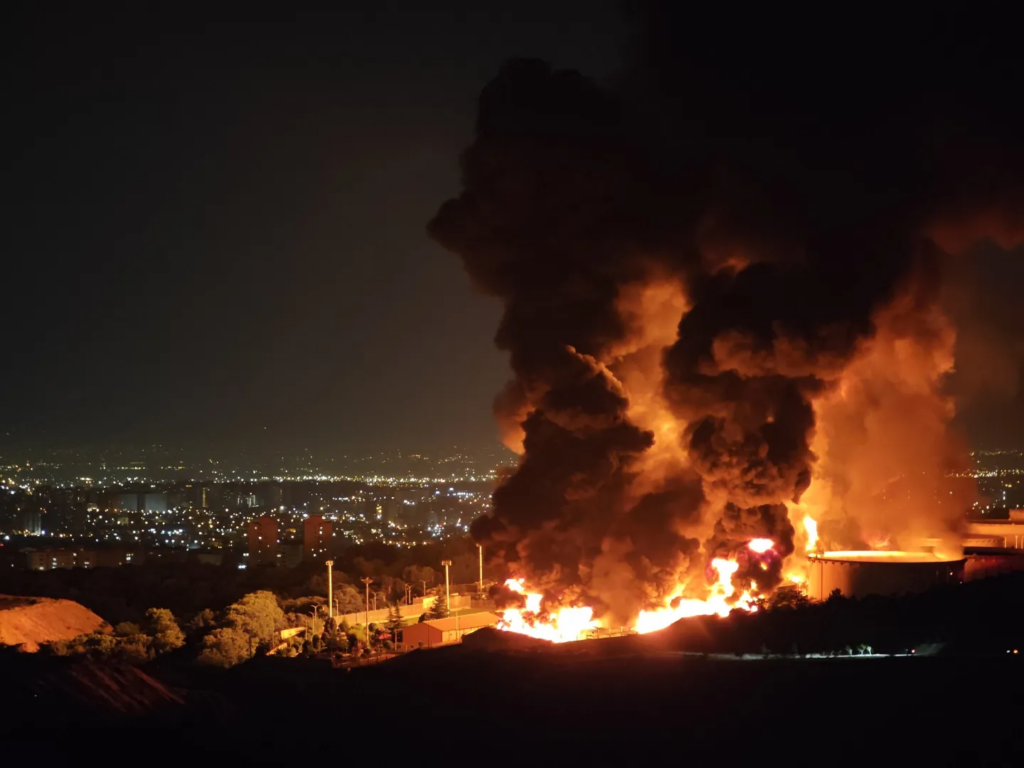
In a significant military escalation in the ongoing conflict between Israel and Iran, the Israeli Defense Forces (IDF) recently announced that they had successfully attacked the headquarters of Iran’s internal security forces. The operation, which is being described as part of Israel’s broader strategy to undermine Iran’s leadership and military capabilities, specifically targeted the command and control functions within the Iranian security apparatus. The IDF emphasized that the strike was essential to crippling Tehran’s ability to respond to ongoing military operations and enhance Israeli security. However, the operation’s full scope and impact remain shrouded in secrecy, with no official information on casualties or structural damage being released.
Israel’s Military Objectives: Dismantling Iran’s Security Infrastructure
The Israeli military’s latest strike is part of an ongoing campaign aimed at disrupting Iran’s military and leadership operations. Iran’s internal security forces play a crucial role in maintaining domestic stability and ensuring the regime’s control over both civilian populations and military sectors. By targeting key nodes within this apparatus, Israel is seeking to reduce Iran’s strategic capabilities, particularly in terms of command and control systems that coordinate both domestic security operations and military activities.
In a statement, the Israeli Defense Ministry emphasized that this was a strategic move aimed at eliminating critical infrastructure that supports Iran’s ability to conduct operations both within its borders and abroad. The internal security forces, under the direction of the Iranian Ministry of Intelligence and Security, are responsible for counterintelligence, suppressing political dissent, and monitoring the activities of militant groups aligned with Tehran’s geopolitical ambitions. By striking at the heart of these operations, Israel hopes to weaken Tehran’s grip on regional proxies and diminish its strategic reach across the Middle East.
The Broader Context of Israeli-Iranian Tensions
The Israeli-Iranian rivalry has been a persistent source of instability in the Middle East for decades. This latest attack follows a series of military confrontations and escalating tensions, particularly after the killing of Ayatollah Ali Khamenei and the subsequent retaliation by Iran. Iran has long been a source of regional instability, using its proxy forces and military resources to exert influence across countries like Syria, Lebanon, Yemen, and Iraq. Tehran’s nuclear ambitions, its missile development programs, and its support for hostile militant groups have made it a primary adversary for Israel, which perceives the Iranian regime as an existential threat.
Israeli defense policy is heavily focused on neutralizing Iran’s ability to project power and disrupt its internal operations. The Israel Defense Forces (IDF) have long engaged in a shadow war against Iranian assets, ranging from cyberattacks on nuclear facilities to direct strikes on military installations within Syria. The recent attack is just the latest chapter in Israel’s campaign to curb Iranian influence across the region.
Why Targeting Internal Security Forces is Significant
The internal security forces are crucial in maintaining Iran’s authoritarian regime, enabling the government to control dissent and maintain surveillance over its population. These forces are responsible for quelling internal uprisings, monitoring the movements of political opponents, and ensuring the stability of Iran’s ruling elite. By attacking these institutions, Israel is aiming to disrupt the very foundation of Iran’s domestic power structure and potentially destabilize the Iranian government’s hold over its people.
Moreover, these security apparatuses are involved in coordinating Iran’s proxy warfare across the Middle East, which directly affects Israeli interests. Weakening the internal security apparatus not only affects domestic control but could limit Iran’s ability to fund and equip proxy militias and support militant organizations, such as Hezbollah in Lebanon and the Houthi rebels in Yemen, which have been involved in attacks against Israeli targets and interests.
Potential Consequences of the Strike: What Does It Mean for Regional Stability?
The full implications of this attack on Iran’s internal security headquarters are still unfolding. However, Israel’s actions signal an ongoing escalation of tensions that could have wide-ranging consequences for the entire Middle East. The key areas of concern include:
- Military Retaliation by Iran: Given the high-profile nature of the strike, Iran is likely to retaliate either through direct military engagement or by activating its network of proxies in the region. Iran’s leadership has already vowed to strike back against Israeli interests, and with a significant blow to its internal security capabilities, Tehran could seek to restore its prestige by launching retaliatory attacks on Israeli targets in the region.
- Regional Proxy Warfare: As mentioned, Iran’s proxies in Syria, Iraq, and Lebanon may take the lead in any retaliatory actions. Hezbollah, a key Iranian ally, has been particularly active in launching attacks against Israeli positions in the past. The risk of escalation between Israel and these proxy forces could draw in other regional powers and lead to a broader military conflict.
- Increased Israeli Defense Posture: This attack could prompt Israel to further ramp up its defense efforts in the region. As it faces a growing threat from Iranian military assets and proxy groups, Israel may increase its defensive measures along its borders with Syria, Lebanon, and Gaza, while also preparing for more cyber and conventional warfare operations.
- Global Diplomatic Reactions: The strike will undoubtedly affect Israel’s relations with international powers. While the U.S. has been a steadfast ally of Israel, some European powers and the broader international community may view this attack as a provocation that risks further destabilizing the region. The United Nations, in particular, may call for de-escalation efforts, and there could be international pressure on both Israel and Iran to return to the negotiating table.
What’s Next for Israel and Iran?
Israel’s attack on Iran’s internal security headquarters is likely just one step in a larger campaign to disrupt Iran’s military infrastructure. With tensions mounting and military engagements on the rise, the region faces the threat of broader military conflict. Both countries, as well as their regional allies, are preparing for a protracted conflict that could have devastating consequences for the stability of the Middle East. The international community will be watching closely to see whether this strike leads to further escalation or whether it opens the door to new diplomatic solutions.
Israel, while justified in pursuing its security interests, risks igniting a regional war that may spiral beyond their control. Similarly, Iran must balance its response to avoid tipping the conflict into a full-scale confrontation, which could prove costly for all parties involved.