Proposal signals possible long-term military presence in southern Lebanon amid escalating conflict with Hezbollah
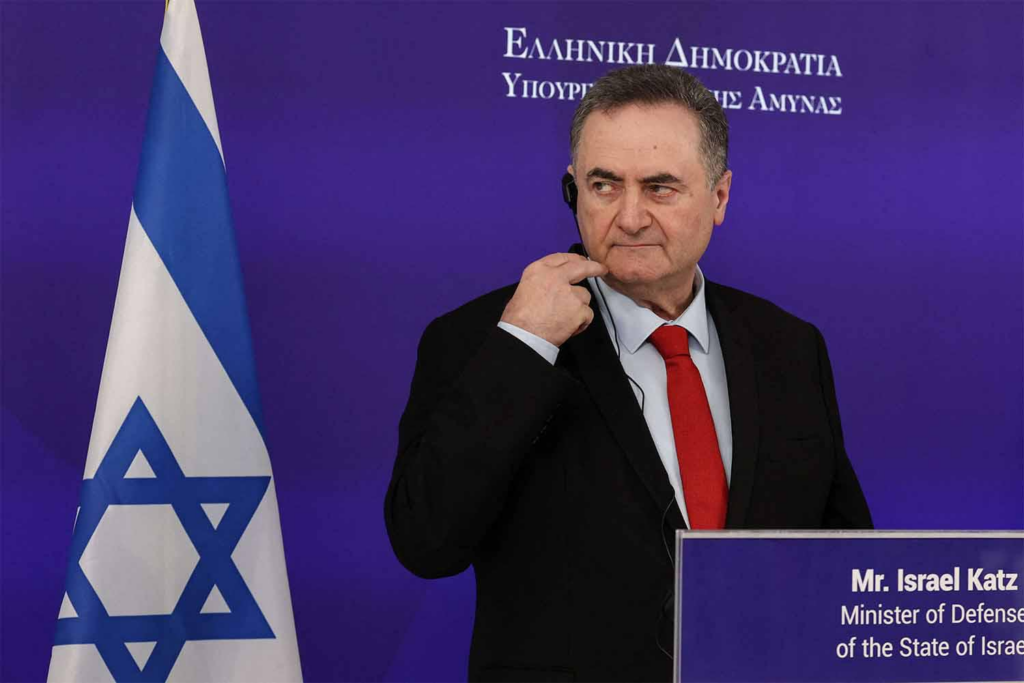
Israel’s Defense Minister Israel Katz has stated that Israel intends to establish and maintain a “security zone” in southern Lebanon extending up to the Litani River, marking a significant potential shift in military strategy as tensions with Hezbollah continue to escalate.
According to Katz, the proposed security zone would serve as a buffer area designed to prevent cross-border attacks and reduce the threat posed by Hezbollah’s rocket and missile capabilities. The announcement comes amid intensified exchanges of fire along the Israel-Lebanon border, with both sides engaged in ongoing hostilities.
The concept of a security zone in southern Lebanon is not new. Israel previously maintained a similar buffer zone in the region from 1985 to 2000, aimed at protecting its northern الحدود from militant activity. Katz’s latest remarks suggest a possible return to that model, albeit under different strategic circumstances and with more advanced military capabilities.
Officials indicate that extending control up to the Litani River would significantly push Hezbollah forces further away from Israel’s northern communities. The river, located roughly 30 kilometers north of the Israeli border, has long been viewed as a strategic line in discussions about regional security arrangements.
The Israel Defense Forces is reportedly assessing operational plans that could support the establishment of such a zone, including ground operations, surveillance systems, and sustained military presence. Analysts note that this would require substantial resources and could lead to prolonged engagement in Lebanese territory.
From Israel’s perspective, the move is framed as a defensive necessity. Officials argue that repeated rocket attacks from southern Lebanon—particularly targeting northern cities like Haifa—have demonstrated the need for a more robust security framework to protect civilians.
However, the proposal has raised significant concerns internationally. Critics warn that establishing a security zone inside Lebanon could escalate tensions further and potentially violate Lebanese sovereignty. It could also lead to a broader confrontation involving regional actors, especially given Hezbollah’s close ties with Iran.
Hezbollah has not issued a detailed response to Katz’s statement, but the group has historically opposed any Israeli military presence in Lebanon and is likely to view such a move as a major provocation. Past conflicts have shown that attempts to control territory in southern Lebanon often lead to prolonged and complex military engagements.
The Lebanese government has also expressed concerns over any expansion of Israeli military operations within its borders. Officials have called for international intervention to prevent further escalation and to uphold existing agreements aimed at maintaining stability along the border.
Strategically, the establishment of a security zone up to the Litani River would represent a major development in the conflict. It would not only reshape the military landscape in southern Lebanon but also have broader implications for regional stability and international diplomacy.
In conclusion, Defense Minister Israel Katz’s statement about holding a security zone up to the Litani River signals a potentially transformative moment in Israel’s approach to the conflict with Hezbollah. While aimed at enhancing security, the move carries significant risks of escalation and long-term military entanglement in Lebanon.