Indirect diplomacy emerges amid conflict as Tehran denies talks and questions Washington’s claims
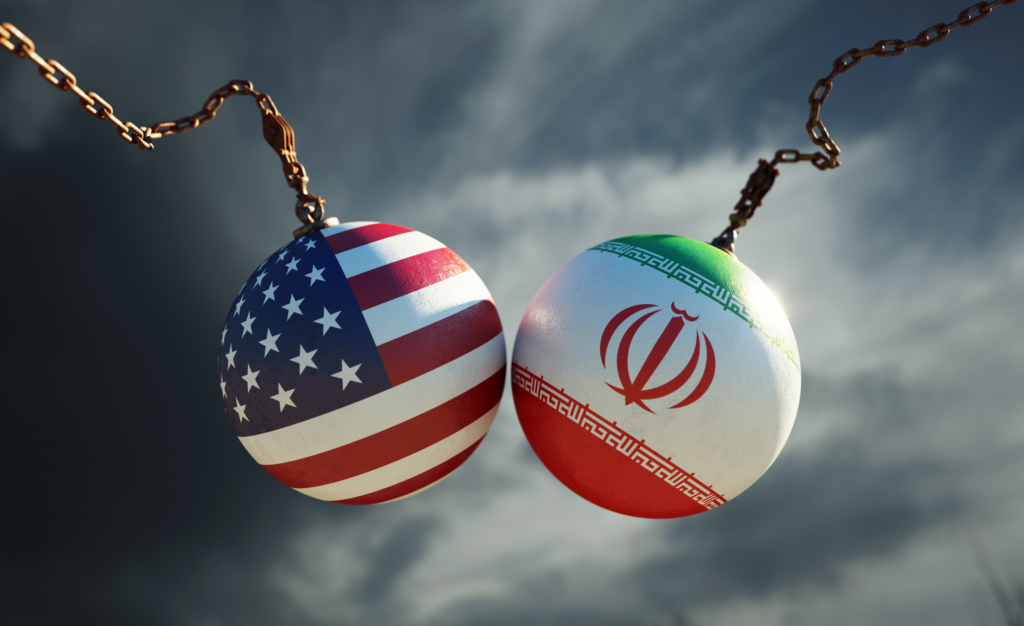
The United States has conveyed a detailed 15-point proposal to Iran through intermediaries in Pakistan, according to officials speaking to AFP and other international outlets. The development signals renewed diplomatic efforts even as military tensions remain high.
Officials confirmed that the plan was delivered via Pakistani channels as part of indirect communication between Washington and Tehran. Pakistan, along with other regional players, is reportedly acting as a mediator and has even offered to host potential talks between the two sides.
The proposed framework is believed to focus on ending the ongoing conflict through a combination of security, nuclear, and economic measures. Key elements reportedly include limits on Iran’s nuclear program, restrictions on missile development, sanctions relief, and guarantees for maritime access—particularly in critical routes like the Strait of Hormuz.
Despite the delivery of the proposal, Iranian officials have publicly denied that any formal negotiations are underway. Tehran has dismissed U.S. claims of active talks, with senior figures suggesting that Washington is exaggerating or misrepresenting the situation.
At the same time, some Iranian sources have acknowledged receiving messages through intermediaries, indicating that indirect diplomatic channels remain open—even if both sides dispute the nature of engagement.
The involvement of Pakistan highlights its growing role as a diplomatic bridge between the U.S. and Iran. Islamabad has historically maintained relations with both countries and is now positioned as a key facilitator in efforts to reduce tensions and explore a possible ceasefire framework.
The timing of the proposal is significant, coming amid escalating military exchanges between Iran, the U.S., and regional allies. The conflict has already impacted global energy markets, disrupted shipping routes, and raised fears of a wider regional war.
From a strategic perspective, the 15-point plan appears to be an attempt by Washington to create an off-ramp from the conflict while securing long-term commitments on Iran’s nuclear and missile capabilities. However, the success of such a plan depends heavily on Iran’s willingness to engage—something that remains uncertain.
International actors including Turkey, Egypt, and China are also reportedly supporting mediation efforts, reflecting global concern over the escalating situation and its economic consequences.
In conclusion, while the U.S. has reportedly conveyed a comprehensive 15-point plan to Iran via Pakistan, conflicting statements from both sides highlight the uncertainty surrounding diplomatic progress. With indirect channels open but trust still low, the path toward negotiations—and potential de-escalation—remains unclear.