ICC Memo Targets Alleged Offenses While Netanyahu’s Office Denies Assassination Claims
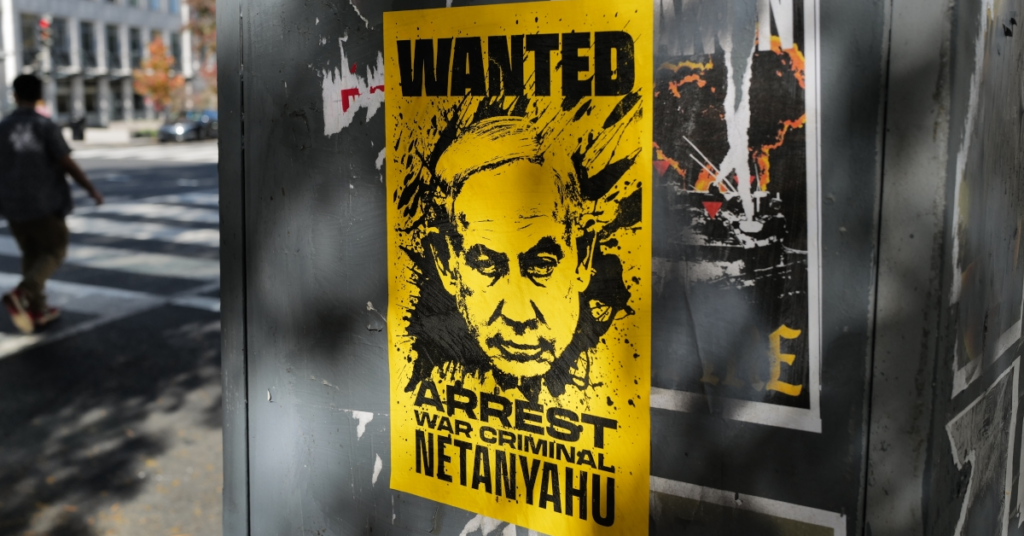
The International Criminal Court (ICC) has reportedly issued a memorandum citing alleged crimes against humanity, with international attention focusing on the ongoing legal scrutiny of actions attributed to Israeli leadership during recent conflicts. While the ICC’s release of such documents often garners global media coverage, officials from the Israeli Prime Minister’s Office were quick to address circulating rumors, firmly refuting reports that Prime Minister Benjamin Netanyahu had been assassinated.
According to the ICC memo dated March 14, 2026, the court is investigating allegations of widespread violations that may qualify as crimes against humanity under international law. These allegations often involve acts committed against civilian populations, including mass killings, unlawful attacks on non-combatants, and other severe breaches of human rights obligations. The issuance of a formal memorandum by the ICC is part of the court’s preliminary investigative procedures, which can lead to the initiation of formal trials depending on the evidence gathered.
Despite the gravity of the ICC announcement, the focus of international discourse was quickly overshadowed by rumors about Prime Minister Netanyahu’s personal safety. Several news outlets and social media platforms circulated unverified claims suggesting that Netanyahu had been assassinated. The Israeli government swiftly responded, emphasizing that these reports were false and misleading. Netanyahu’s office confirmed that he remains alive, active in his official duties, and fully capable of carrying out his responsibilities as the head of government.
This dual development—the ICC memorandum and the false assassination reports—highlights the complex intersection of international legal accountability, media speculation, and public perception during times of regional conflict. Analysts note that unverified claims can rapidly spread, particularly on digital platforms, creating confusion among citizens, investors, and global observers.
The ICC’s interest in alleged crimes against humanity in the region reflects broader concerns about accountability for military and political actions during conflicts. International law requires that leaders and officials be held responsible for actions that disproportionately harm civilians or violate established humanitarian standards. While the ICC does not possess executive enforcement power, its investigations can trigger international pressure, sanctions, and reputational consequences for targeted individuals or states.
Israeli authorities have consistently maintained that all military operations adhere to international legal norms, emphasizing efforts to minimize civilian casualties during conflicts. The official rebuttal regarding Netanyahu’s status also underscores the government’s concern about controlling misinformation, which can exacerbate tensions during sensitive periods.
In addition to the legal and political dimensions, the events surrounding the ICC memorandum have implications for international diplomacy. Countries involved in the Middle East, as well as global allies, are closely monitoring both the ICC investigation and the Israeli government’s response. Diplomatic communications often reflect a balance between supporting legal accountability and ensuring regional stability, particularly when high-profile leaders are implicated or targeted by rumors.
Media analysts have stressed the importance of verifying sources, particularly when reporting on high-stakes developments involving legal proceedings and national security. The rapid circulation of false claims about Netanyahu’s assassination illustrates the potential for misinformation to escalate crises and undermine public trust. Officials have urged citizens and news outlets to rely only on verified statements from authoritative sources, including the ICC and official Israeli government channels.
Experts in international law note that ICC memoranda, while significant, are part of a structured legal process that often spans years. Preliminary notices or warrants do not automatically result in arrests or convictions; rather, they establish a formal basis for investigation and signal that the court is actively gathering evidence. The objective is to ensure that accountability mechanisms are in place for allegations of severe human rights violations.
The situation also highlights the intersection of domestic politics and international law. Israeli leaders, including Netanyahu, face scrutiny both at home and abroad for policies and military operations. ICC involvement can create diplomatic challenges, necessitating careful messaging from national governments to maintain credibility and reassure both citizens and the international community.
As of now, Prime Minister Netanyahu continues to fulfill his duties, including oversight of governmental operations, security coordination, and diplomatic engagements. The official denial of assassination reports serves to stabilize public perception and counter potential panic arising from social media speculation.
The ICC memorandum and the surrounding misinformation emphasize the need for clear communication and verification in a highly polarized geopolitical context. For international observers, the development signals ongoing attention to human rights accountability, while domestically, it demonstrates the challenges governments face in managing both legal scrutiny and public misinformation.
Overall, while the ICC memorandum represents a serious step in international legal procedures, Israeli authorities remain firm in asserting the continued leadership and safety of Prime Minister Netanyahu. As investigations and media narratives continue to evolve, the global community will be closely watching the legal outcomes and the government’s responses to maintain transparency and stability.