Intelligence reports reveal Iran still retains significant missile power, with hidden stockpiles and underground facilities posing ongoing threats
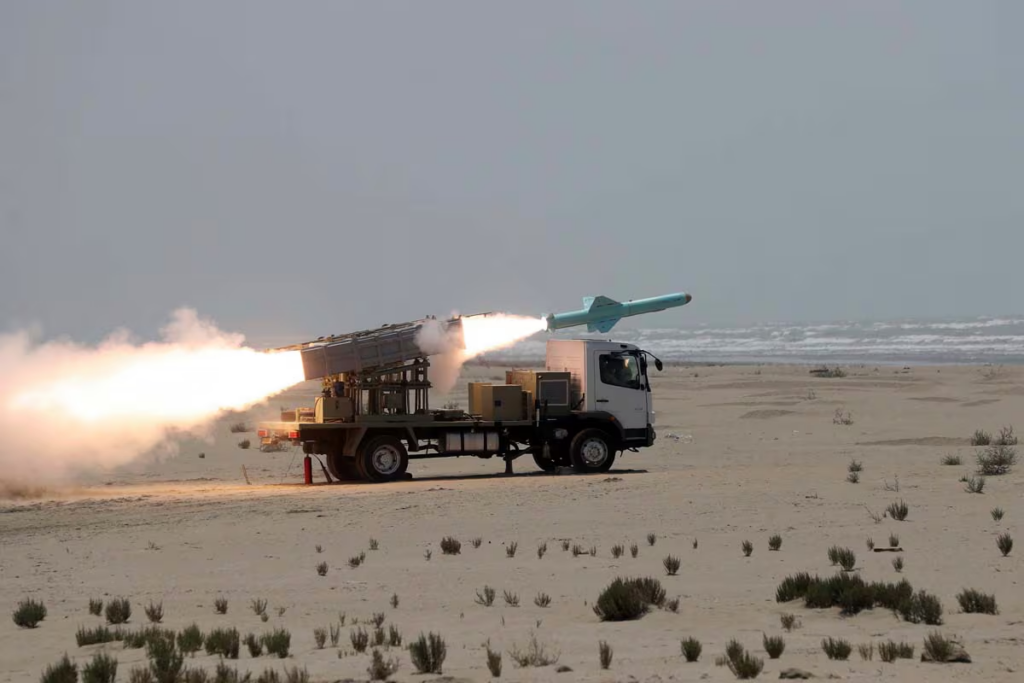
A new U.S. intelligence assessment has revealed that only about one-third of Iran’s missile arsenal has been definitively destroyed, raising serious concerns about the effectiveness of ongoing military operations and the future trajectory of the conflict. Despite weeks of coordinated airstrikes by the United States and its allies, Iran’s missile capabilities remain far from neutralized, with a substantial portion still intact, hidden, or potentially operational.
According to intelligence sources, roughly one-third of Iran’s missile stockpile has been confirmed destroyed through sustained airstrikes targeting launch sites, storage facilities, and production infrastructure. However, another third is believed to be either damaged or buried deep בתוך underground bunkers and tunnel systems, making verification difficult. The remaining portion is still considered active and capable of being deployed in future attacks.
This assessment sharply contrasts with earlier public statements suggesting that Iran’s missile capabilities had been nearly eliminated. While officials had previously claimed that Tehran was running low on missiles, the latest intelligence indicates that Iran still possesses a significant arsenal, enough to continue threatening regional stability and key strategic locations such as the Strait of Hormuz.
One of the key challenges facing U.S. and allied forces is Iran’s extensive network of underground facilities. Over the years, Iran has invested heavily in hardened missile silos, tunnels, and storage complexes designed specifically to withstand aerial bombardment. These facilities not only protect missile stockpiles but also allow Iran to conceal and rapidly deploy weapons, making it extremely difficult for intelligence agencies to accurately assess the full extent of the damage.
Military analysts emphasize that even if a portion of Iran’s missiles has been destroyed or rendered inaccessible, the remaining arsenal still poses a serious threat. Iran has demonstrated the ability to adapt its tactics, shifting from large-scale missile barrages to smaller, more frequent attacks using mobile launch systems and drones. This strategy allows Tehran to sustain pressure on its adversaries while conserving its remaining resources.
Additionally, the destruction of missile launchers does not necessarily equate to the elimination of missile capabilities. While some reports indicate that a significant number of launchers have been destroyed, missiles stored in underground facilities can remain intact and usable once alternative launch systems are deployed. This distinction is critical, as it highlights the resilience of Iran’s military infrastructure despite sustained bombardment.
The broader implications of this assessment are significant. It suggests that the current military campaign may not be sufficient to fully neutralize Iran’s strategic capabilities, particularly without a prolonged or expanded operation. Experts warn that achieving complete destruction of Iran’s missile arsenal through airstrikes alone is highly unlikely, given the country’s size, terrain, and decades-long investment in military fortifications.
Moreover, Iran’s continued ability to launch missiles and drones across the region underscores the limitations of the current strategy. Despite heavy losses, Tehran has maintained a steady pace of attacks, targeting not only Israel but also other regional actors, including the United Arab Emirates and U.S.-linked assets. This ongoing activity demonstrates that Iran retains both the capability and the intent to continue its military operations.
The situation also raises concerns about the potential for further escalation. With a significant portion of its missile arsenal still intact, Iran retains a powerful deterrent and the ability to respond to future attacks. This increases the risk of a prolonged conflict, as well as the possibility of a wider regional war involving multiple actors.
In conclusion, while U.S. and allied strikes have inflicted substantial damage on Iran’s missile infrastructure, the latest intelligence makes it clear that the threat is far from eliminated. The survival of a large portion of Iran’s arsenal—particularly those hidden in underground facilities—highlights the complexity of modern warfare and the challenges of dismantling a deeply entrenched military system. As the conflict continues, the focus is likely to shift toward containing Iran’s remaining capabilities rather than achieving total destruction.