As Vice President J.D. Vance leads U.S. efforts to negotiate an end to the Iran conflict, tensions with Israeli leadership surface amid claims of deliberate political sabotage
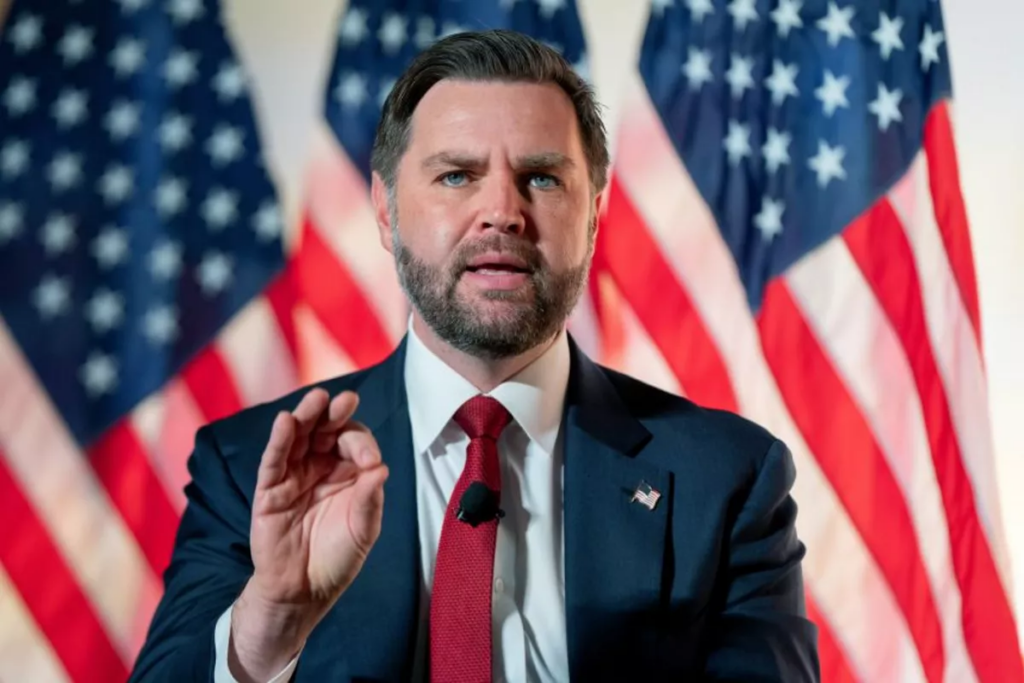
In a development that highlights growing diplomatic friction between Washington and Jerusalem, multiple sources report that some Israeli officials may be attempting to undermine the United States’ top negotiator in the ongoing Iran conflict—Vice President J.D. Vance. The allegations, first detailed by Axios, suggest a deeper and more complex rift over how to approach diplomacy with Tehran, revealing fault lines in the long-standing U.S.–Israel alliance.
Vance at the Center of Peace Efforts
Vice President J.D. Vance has recently taken a prominent role in U.S. efforts to broker a diplomatic resolution to the war between the United States, Israel, and Iran. Known for his cautious approach toward extended military engagements, Vance’s involvement reflects the Biden administration’s broader strategy of combining military pressure with renewed diplomatic channels. His meetings with regional leaders and indirect messaging with Iranian officials indicate a serious push toward negotiations.
Despite his public support for U.S. military objectives, Vance has distinguished himself from more hawkish voices by emphasizing the importance of avoiding an open-ended conflict. This stance has reportedly made him a preferred interlocutor for Iranian representatives in back-channel discussions.
Allegations of Undermining from Israeli Officials
According to U.S. officials quoted in the Axios report, certain Israeli figures have reacted negatively to Vance’s diplomatic approach. Following a tense phone call between Vance and Israeli Prime Minister Benjamin Netanyahu, where Vance challenged what he saw as overly optimistic Israeli assumptions about regime change in Iran, some U.S. officials claimed that Israeli sources circulated narratives aimed at discrediting Vance’s role.
One senior U.S. official reportedly described these actions as an “Israeli op against JD,” suggesting that the narrative—framed to portray Iran as preferring negotiations with Vance due to his perceived receptivity—was crafted to weaken his influence. The goal, critics say, is to promote a more hard-line negotiating posture that aligns with Israel’s security priorities.
However, it’s important to note that U.S. officials, including Vance’s advisers, have denied that there is definitive proof of an organized Israeli campaign. They caution that some of the circulating reports may stem from misinterpretations or external actors seeking to exploit tensions.
What’s Behind the Dispute?
At the heart of the controversy is a fundamental disagreement over how to handle Iran’s military and nuclear capabilities. Israeli leaders, long wary of Tehran’s intentions, have pushed for a robust stance that prioritizes maximum pressure and deterrence. In contrast, Vance’s approach—balancing diplomatic engagement with military readiness—reflects a nuanced strategy that seeks to reduce the risk of prolonged conflict without compromising security.
The differing perspectives became especially visible during the reported tense call between Vance and Netanyahu. Vance criticized what he viewed as overly optimistic assessments about regime change prospects in Iran—an assertion that underscored his more cautious worldview. That conversation, in turn, fueled speculation about internal disagreements and potential political maneuvering.
Implications for U.S.–Israel Relations
The allegations, whether fully substantiated or not, expose the complexities of diplomatic coordination in times of conflict. For decades, the United States and Israel have maintained a close strategic partnership, particularly in countering threats from Iran and its regional allies. Yet, as diplomatic efforts evolve, differing national priorities can create friction—even among close allies.
Experts warn that perceived internal disputes can have broader implications. If allies appear divided on strategy, adversaries like Iran may exploit those divisions to strengthen their negotiating position or intensify military pressure. Conversely, unity in diplomatic messaging can reinforce leverage and clarity in negotiations.
Looking Ahead
As negotiations continue, both the U.S. and Israeli governments face the challenge of aligning their strategic objectives. With Iran’s response to U.S. peace proposals anticipated soon, diplomatic dynamics will remain in the spotlight. Whether the reported tensions are isolated incidents or indicative of deeper policy disagreements will shape the trajectory of negotiations and the broader regional landscape.
In a geopolitical environment marked by shifting alliances and high stakes, maintaining cohesion among key players is crucial. The evolving narrative around Vice President Vance’s role illustrates how domestic politics, international strategy, and media narratives intersect in shaping global diplomacy.