Tehran denounces the deaths of media workers in southern Lebanon as a deliberate assault on press freedom amid escalating Middle East conflict
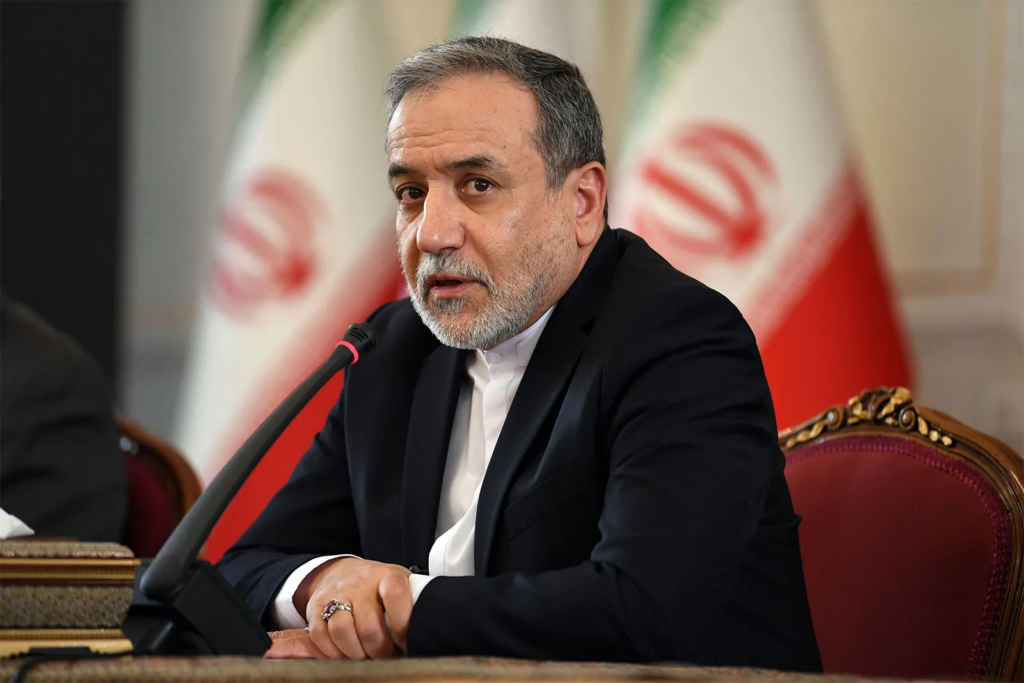
The Islamic Republic of Iran Ministry of Foreign Affairs has issued a strong condemnation following the killing of three journalists in southern Lebanon by an Israeli airstrike, describing the incident as a deliberate and unacceptable attack on media personnel that violates international law and press protections.
The incident occurred on March 28, 2026, when an Israeli airstrike struck a vehicle in the Jezzine region of southern Lebanon, killing veteran reporter Ali Shoeib of Al Manar TV and Fatima Ftouni of Al Mayadeen, along with her brother Mohammed Ftouni, a video journalist.
Tehran’s Reaction: Strong Words of Condemnation
Iran’s foreign minister publicly condemned the attack, labeling it a “targeted assassination” and an affront to the basic principles of international humanitarian law. Tehran’s statement emphasized that journalists—regardless of their affiliations—are entitled to protection under global conventions governing armed conflict. The Iranian government criticized the strike as a deliberate attempt to silence media coverage and intimidate reporters operating in conflict zones.
The condemnation from Iran comes amid broader regional outrage. Lebanese officials have also described the strike as a “blatant war crime,” stressing that journalists should never be treated as combatants or legitimate military targets. They have called for international investigations and accountability for what they see as a grave violation of press freedoms.
Context of the Strike
The attack took place against the backdrop of intensifying hostilities between Israel Defense Forces and Hezbollah, which have been engaged in sustained cross-border clashes. Israel acknowledged that it had targeted one of the journalists, claiming he was acting as a Hezbollah intelligence operative. However, the Israeli military did not provide independent evidence to substantiate that claim, and it did not specifically address the deaths of the other two journalists.
The deaths of these journalists have amplified concerns among international press freedom organizations, which warn that journalists in conflict zones face escalating risks and that attacks on media personnel can undermine the free flow of information in areas of war.
International Law and Press Freedom
Under international humanitarian law, journalists are generally regarded as civilians and are afforded protections unless they are directly participating in hostilities. The ambiguity surrounding the status of the individuals killed has led to conflicting narratives: Israel asserts security concerns, while Iran and Lebanese authorities frame the incident as an unlawful assault on noncombatants.
Human rights groups and press freedom advocates have called for independent investigations to clarify the circumstances of the strike and to determine whether it constituted a violation of international norms. The Committee to Protect Journalists and other watchdogs have repeatedly highlighted the dangers faced by media workers in the Middle East, particularly as modern conflicts increasingly blur the lines between combat zones and civilian spaces.
Regional and Diplomatic Fallout
Iran’s condemnation of the killings reflects broader geopolitical tensions. Tehran has positioned itself as a vocal critic of Israeli military actions in Lebanon and the wider region, frequently framing such incidents as evidence of disregard for civilian life and international law. By publicly denouncing the attack, Iran aims to galvanize diplomatic pressure against Israel and to draw global attention to what it perceives as systemic targeting of journalists.
Lebanon, too, has vowed to pursue accountability through international channels, with government officials indicating plans to compile documentation of the incident for submission to global legal bodies.
Conclusion
The deaths of three journalists in southern Lebanon have sparked widespread condemnation, particularly from Iran’s foreign ministry, which has labeled the strike a deliberate attack on media personnel and a violation of international law. As conflicting narratives continue to circulate, calls for independent investigation and accountability are growing louder. The incident underscores the extreme dangers faced by journalists covering active conflicts and highlights the broader challenges of ensuring press freedom and civilian protection amid escalating hostilities in the Middle East.