Southern Israel’s port city of Eilat targeted as missile lands, triggering air raid alerts and emergency responses
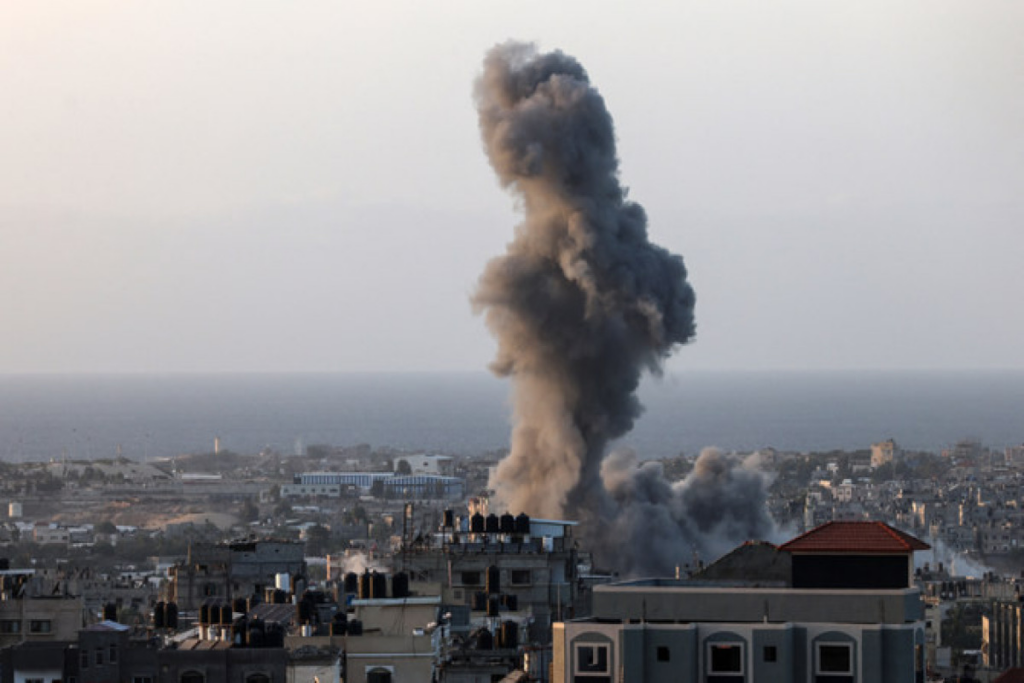
A missile reportedly struck Eilat, Israel’s southern port city, escalating tensions along the country’s southern front as regional conflict continues. The attack triggered air raid sirens, prompting civilians to seek immediate shelter while local authorities assessed the damage.
According to the Israel Defense Forces, the missile was intercepted by Israel’s defense systems, although fragments and shrapnel impacted parts of the city. Emergency services were deployed to secure affected areas, treat any injuries, and extinguish small fires caused by falling debris.
Details of the Attack
Initial reports indicate that the missile may have originated from neighboring territories controlled by Iran-aligned groups, including Hezbollah or Iranian-backed militias operating along Israel’s southern borders. The IDF has launched investigations into the trajectory and origin of the missile.
No confirmed casualties have been reported as of now, though authorities are urging residents to remain in safe zones and follow official guidance. The attack marks another instance of the ongoing cross-border missile threat targeting Israeli cities, underscoring the vulnerability of civilian areas even far from northern or central fronts.
Regional Context
Eilat, located on the Red Sea near the borders of Egypt and Jordan, is strategically significant as a commercial hub and tourism center. Attacks on Eilat reflect a widening of the conflict beyond traditional northern and central regions, potentially signaling a broader strategy to pressure Israel on multiple fronts.
This missile strike comes amid ongoing Iranian missile and drone operations, which have targeted various regions of Israel in recent weeks. Israel’s multi-layered air defense network—including Iron Dome and long-range interceptors—remains active to counter these threats.
Impact on Civilians and Infrastructure
Even when intercepted, missile debris can pose serious risks to residents, property, and infrastructure. Past incidents in Israel have shown that falling shrapnel can cause injuries, minor structural damage, and widespread disruption to transportation and daily life.
Local authorities in Eilat are coordinating with the IDF to reinforce security measures, conduct damage assessments, and maintain public safety. Emergency teams continue to monitor the situation closely.
What This Means Going Forward
The attack on Eilat highlights the expanding reach of missile threats in the region. Analysts warn that Iran-aligned groups may attempt additional strikes on southern or peripheral cities to stretch Israel’s defensive resources and create psychological pressure.
Israel is likely to maintain heightened alert levels across all regions, including southern cities like Eilat, as tensions remain high and the broader conflict shows no signs of de-escalation.