Trump Signals Willingness to End War Without Reopening Strait of Hormuz
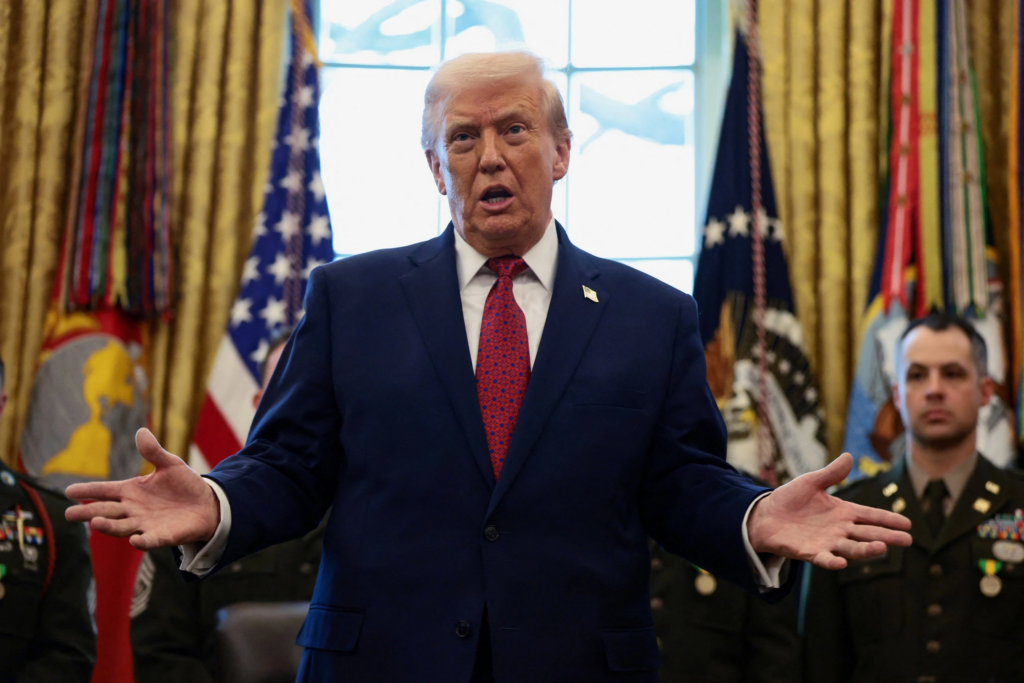
U.S. President Donald Trump has reportedly told senior aides that he is willing to end the ongoing conflict without insisting on the immediate reopening of the Strait of Hormuz, signaling a potential shift in U.S. strategy amid escalating tensions in the Middle East.
The development marks a notable contrast to earlier statements from Washington, where Trump had warned of severe consequences if the vital shipping route remained closed. The Strait of Hormuz, which handles a significant portion of the world’s oil supply, has been at the center of the crisis, with disruptions raising fears of global economic instability.
Shift in U.S. Position
According to reports, Trump’s comments behind closed doors suggest a more pragmatic approach to ending the conflict, prioritizing a ceasefire and de-escalation over immediate restoration of maritime traffic through the Strait.
This apparent shift may reflect growing concerns over:
- Prolonged military engagement
- Economic fallout from continued conflict
- Pressure from international allies seeking stability
While no official policy change has been publicly announced, the remarks indicate that the U.S. could be open to flexible negotiation terms.
Why the Strait of Hormuz Matters
The Strait of Hormuz is one of the most critical energy corridors in the world, connecting Gulf oil producers to global markets. Any disruption to this route can significantly impact oil prices, shipping costs, and international trade.
Earlier in the crisis, the U.S. had taken a firm stance that reopening the Strait was non-negotiable. Trump’s reported willingness to compromise on this issue suggests a recalibration of priorities.
Possible Strategic Calculations
Analysts believe the shift could be driven by several factors:
- Avoiding further military escalation with Iran
- Reducing pressure on global energy markets
- Managing domestic political considerations
By signaling openness to ending the war without resolving the Strait issue immediately, the U.S. may be aiming to de-escalate tensions quickly, even if some strategic objectives remain unmet in the short term.
Global and Regional Reactions
The report has drawn mixed reactions from international observers. Some view the move as a positive step toward de-escalation, while others warn that leaving the Strait of Hormuz restricted could create long-term instability in global shipping and energy supply.
Allies in the Gulf region, who rely heavily on the Strait for oil exports, are likely to closely monitor any policy shift, as it directly affects their economic and security interests.
Uncertainty and Next Steps
It remains unclear whether Trump’s remarks will translate into formal policy or negotiations. U.S. officials have not publicly confirmed a change in stance, and discussions around a potential ceasefire are still ongoing.
The situation continues to evolve, with both military and diplomatic developments shaping the trajectory of the conflict.
Conclusion
Donald Trump’s reported willingness to end the war without reopening the Strait of Hormuz signals a potential turning point in the crisis. While the move could pave the way for de-escalation, it also raises critical questions about the future of global energy security and the long-term stability of one of the world’s most vital maritime routes.