Maritime horror in Gulf waters as explosions strike oil tankers near Basra amid widening Iran war, killing one and prompting major rescue efforts
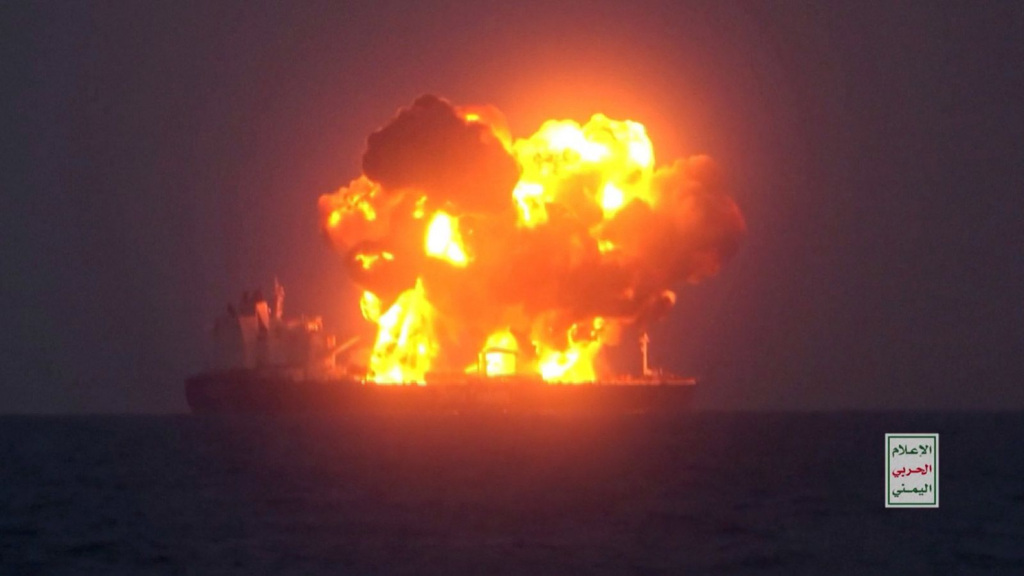
A deadly attack on two oil tankers in waters near Iraq’s Basra port has claimed the life of a crew member and ignited fires aboard both vessels, authorities confirmed on March 12, 2026. The incident, which comes amid the broader U.S.–Israel–Iran war, has raised serious concerns about maritime security in the Persian Gulf — a vital artery for global energy supplies — and triggered an ongoing rescue and containment operation by Iraqi maritime forces and port authorities.
According to officials from Iraq’s General Company for Ports, two foreign‑registered oil tankers carrying Iraqi fuel oil were attacked in territorial waters near Basra and Khor al‑Zubair, setting both vessels ablaze. One crew member has been confirmed killed, while at least 38 others were rescued by Iraqi rescue teams. Efforts continue to locate additional missing sailors and to bring the fires on the vessels under control.
Details of the Attack and Immediate Response
Iraq’s General Company for Ports Director Farhan al‑Fartousi told local media that the two tankers were targeted by what authorities described as sabotage, although he did not specify exactly how the attack was carried out or who was directly responsible. Investigators are still examining the scene.
Rescue crews managed to evacuate over 20 sailors from one of the tankers, with other teams involved in searching for any missing crew from the second vessel. Firefighting efforts are ongoing as plumes of smoke rise from the burning vessels in the Gulf’s strategic shipping lanes near Iraq’s main oil export hub.
The death of one crew member underscores the human cost of the growing conflict that has already disrupted civilian life and commerce across the Middle East. Iraqi authorities have not yet released the identity or nationality of the deceased or the rescued sailors.
Strategic Importance of the Location
The waters off Basra and Khor al‑Zubair are part of one of the world’s most critical energy export corridors. A significant portion of Iraqi crude oil — one of the region’s main petroleum outputs — passes through these waters on its way to global markets. Even minor disruptions in this area can severely impact oil flows and global energy prices.
Any attack on commercial tankers in this region is reminiscent of past tensions in the Gulf, including the “Tanker War” during the 1980–1988 Iran–Iraq conflict when both sides targeted shipping to disrupt each other’s economies. Today’s incident highlights how civilian infrastructure and commerce remain vulnerable in multinational conflicts, especially in geopolitically sensitive marine zones.
Context of Escalating Maritime Attacks
This latest tanker attack follows a pattern of maritime aggression in the Gulf region since the Iran war began earlier in 2026. Analysts point to the increasing use of explosive naval drones and similar devices in recent attacks, which pose a mounting threat to commercial shipping. Reports from maritime security experts indicate that such unmanned sea drones can carry significant explosive payloads and have been used against tankers in multiple Gulf incidents, including another event off Oman earlier this month that also resulted in casualties.
Iran is widely suspected of involvement in these maritime attacks as part of its broader strategy of asymmetric warfare, though official responsibility for specific attacks is often denied or not confirmed. The attacks appear aimed at disrupting energy shipments, exerting political pressure, and creating strategic leverage in the ongoing conflict.
Global Energy and Security Implications
The attack has immediate and potential long‑term consequences for global energy markets. Because the Gulf furnishes a significant share of the world’s oil exports, even the threat of violence in these waters can push oil prices higher due to fears of supply disruption. Traders are closely monitoring developments, and insurers have already been assessing heightened risk premiums for vessels operating in the region.
Regional governments and international allies have condemned attacks on civilian shipping, warning that such assaults exacerbate already high geopolitical tensions. Maritime security experts say that continued attacks on tankers could further restrict global oil flows, potentially triggering broader economic ramifications.
Humanitarian and Legal Considerations
Beyond the strategic and economic fallout, the human tragedy of the attack is significant. The confirmed fatality and the rescue of dozens of sailors — many of whom face physical and psychological trauma — highlight the perilous conditions seafarers now face in the Gulf. International maritime organizations and humanitarian groups are urging greater protective measures for commercial vessels navigating high‑risk zones.
Under international law, deliberate attacks on commercial shipping — especially those that endanger civilian lives — could constitute violations of wartime norms and maritime safety conventions. Determining legal responsibility for such attacks is complex, given the difficulty of attributing blame in dynamic conflict environments. Nonetheless, governments and international bodies are closely watching developments to consider potential legal or diplomatic responses.
Outlook and Continued Risks
As rescue and firefighting operations continue near Basra, authorities are also working to secure the area and investigate the origins of the attack. The ongoing conflict and frequent maritime provocations suggest that such incidents may not be isolated. Shipping companies are reevaluating routes, and governments are reaffirming their commitment to safeguarding commercial vessels in strategic waterways.
The attack on oil tankers off Iraq, with its tragic loss of life and broader implications for global energy and maritime safety, exemplifies how conventional commerce has become entangled in modern warfare. The Gulf, already a focal point of geopolitical rivalry, remains at the center of efforts to balance military conflict with economic necessity.