Government adjusts petrol and diesel rates amid global oil fluctuations while maintaining stability for essential household fuels
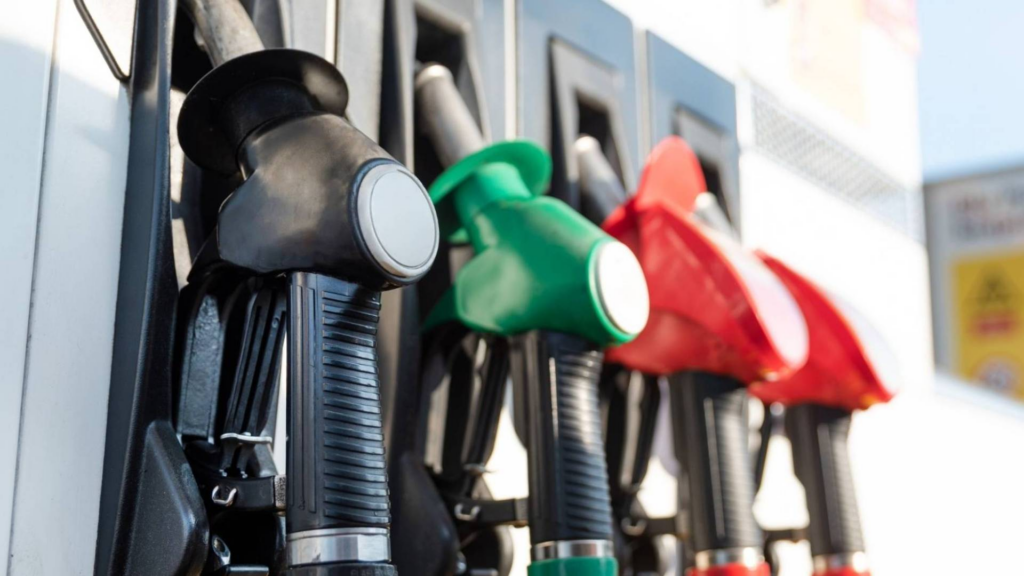
The government of Jordan has announced an increase in fuel prices for April, while deciding to keep kerosene and liquefied petroleum gas (LPG) prices unchanged, aiming to balance economic pressures with consumer protection.
The decision comes as part of the country’s monthly fuel pricing review, which is influenced by global oil market trends and regional geopolitical developments affecting energy supply.
Fuel Price Adjustments
According to official sources, the price hike applies primarily to:
- Petrol (gasoline)
- Diesel
These adjustments reflect rising international oil prices, which have been impacted by ongoing tensions in key energy-producing regions, particularly around the Strait of Hormuz.
Why Kerosene and LPG Remain Unchanged
Despite the increase in fuel prices, the government has chosen to keep kerosene and LPG prices steady. These fuels are widely used for:
- Household heating
- Cooking
- Low-income residential needs
Maintaining their prices is seen as a social protection measure, designed to reduce the financial burden on households, especially during periods of economic uncertainty.
Impact on Consumers and Economy
The rise in petrol and diesel prices is expected to have a direct impact on transportation and logistics costs, potentially leading to:
- Higher public transport fares
- Increased delivery and shipping costs
- Ripple effects on goods and services pricing
However, keeping LPG and kerosene stable may help cushion the overall impact on household expenses.
Global Market Influence
Jordan’s fuel pricing policy is closely tied to global oil markets, which have experienced significant volatility due to geopolitical tensions, supply concerns, and shifting demand patterns.
Recent developments in the Middle East have contributed to rising crude oil prices, forcing many import-dependent countries like Jordan to adjust domestic fuel rates accordingly.
Government Strategy
Officials emphasized that the pricing decision aims to strike a balance between:
- Reflecting real market costs
- Protecting vulnerable populations
- Maintaining economic stability
The government continues to monitor global oil trends and may adjust prices further in coming months depending on market conditions.
Conclusion
Jordan’s decision to raise fuel prices while keeping kerosene and LPG unchanged highlights a targeted approach to economic management, balancing fiscal realities with social responsibility. As global energy markets remain volatile, such measures are likely to continue shaping domestic fuel policies.