Israeli Air Attack Near Seafront Road in Beirut Escalates Violence; Civilians Among Dead, Broad Impact Across Lebanon Amid Wider Middle East War
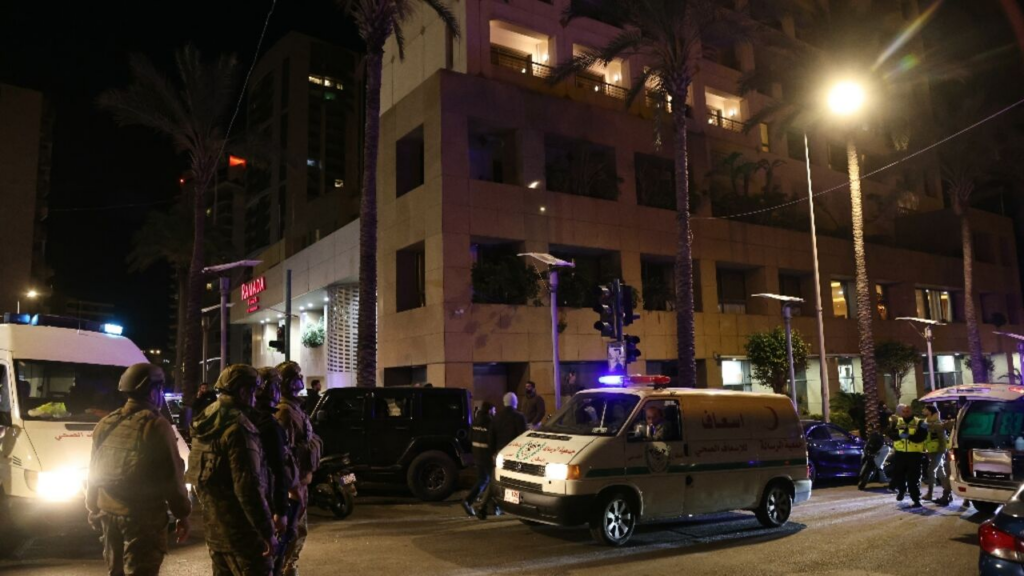
In a dramatic escalation of violence in Beirut, at least six people were killed when an Israeli strike hit a seaside road near the Lebanese capital’s coastal area in early March 2026, according to Lebanese health officials and multiple news agencies. This incident marks one of the deadliest single attacks in central Beirut since hostilities between Israel and Iran‑backed groups widened into Lebanon, drawing the city deeper into a rapidly expanding Middle East conflict.
A Deadly Blow in Beirut’s Seaside Sector
The strike occurred close to Beirut’s seafront and seaside road areas, not far from densely populated neighborhoods where displaced families and civilians have taken refuge amid ongoing bombardments. Lebanese state media and health ministry sources reported that initial casualties numbered at least six, though figures are expected to rise as rescue teams continue operations.
Lebanese authorities say the attack involved Israeli military forces using air and drone assets targeting what they described as “high‑value militant assets” or infrastructure related to Iran’s Islamic Revolutionary Guard Corps (IRGC) and allied groups operating near Beirut. While Israeli authorities frame the strikes as directed at military targets, Lebanese officials and humanitarian groups emphasise the significant civilian toll and devastation in residential zones.
Broader Conflict Context: Lebanon Drawn In
This strike is part of a broader surge in hostilities that have engulfed Lebanon since early March 2026 following the start of the U.S.–Israeli military campaign against Iran and the subsequent joining of Hezbollah in the conflict. Hezbollah, the powerful Iran‑backed militia and political organisation in Lebanon, began launching rocket salvos into northern Israel shortly after hostilities intensified over Tehran. Israel quickly responded with widespread airstrikes on southern Lebanon, Beirut’s southern suburbs (Dahiyeh), and central districts.
According to Lebanese health ministry figures and UN agencies, hundreds of civilians in Lebanon have already been killed in this expanding theatre of conflict, with the death toll rising dramatically in days of continuous bombardment. The United Nations has noted that Lebanon’s health infrastructure is under severe strain, with many hospitals damaged and overwhelmed.
Civilian Impact and Humanitarian Crisis
Humanitarian organisations warn of widespread displacement and suffering across Lebanon, particularly in Beirut. Long‑standing social services have struggled under the pressure of rising casualties, and tens of thousands of Lebanese civilians have fled their homes in the south, east, and urban peripheries to seek safety in Beirut or outside Lebanon’s borders. The United Nations Office for the Coordination of Humanitarian Affairs has described the situation as rapidly deteriorating, with urgent needs for food, shelter, and medical treatment.
Political and Regional Ramifications
The Lebanese government has condemned the strike and urged the international community to intervene to prevent further loss of civilian life. Meanwhile, Israel maintains that its military campaign aims to degrade Hezbollah’s capabilities and suppress what it describes as imminent threats posed by Iran‑linked commands and assets in Lebanese territory. International actors, including European diplomats, have called for restraint and a return to cease‑fire negotiations to avert a full‑blown regional conflagration.
As the Lebanon theatre of the conflict continues to intensify, experts warn of broader geopolitical consequences, including impacts on global energy markets, refugee flows, and potential escalation into neighbouring states. With both Hezbollah and Israel showing no immediate signs of de‑escalation, Beirut’s powerful civilian toll continues to mount.