Rumors Spread During Iran-Israel War as Silence from Netanyahu Fuels Online Debate
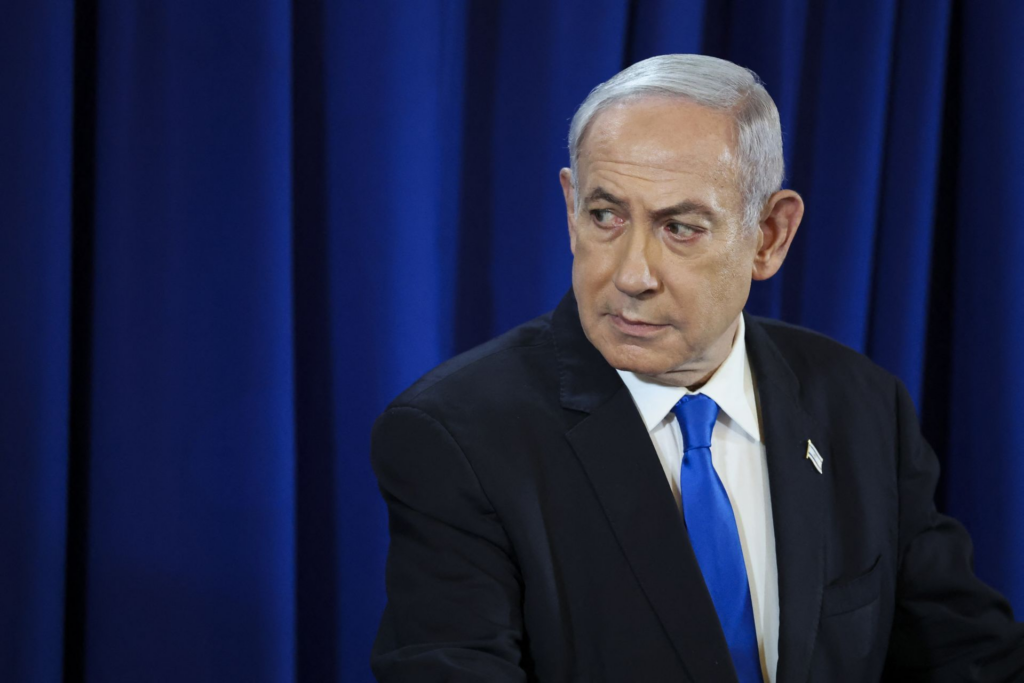
Amid the escalating Iran–Israel war, rumors about the alleged death of Israeli Prime Minister Benjamin Netanyahu have spread widely across social media and several regional media outlets. Iranian-aligned sources and some online accounts claimed that Netanyahu may have been killed during recent Iranian missile and drone attacks targeting Israeli leadership and strategic sites. However, as of now, there is no confirmed evidence that Netanyahu has died, and many reports indicate the claim is likely part of wartime misinformation or propaganda.
The speculation began when Iranian media and pro-Iran accounts online suggested that Netanyahu might have been killed or seriously injured following retaliatory strikes launched by Iran against Israel. These claims quickly circulated on platforms such as X (formerly Twitter), Telegram, and other regional news channels, where posts alleged that Iranian missiles had struck areas near government facilities in Jerusalem or locations associated with Israel’s leadership. Some reports also suggested Netanyahu had gone silent for an entire day, further fueling speculation about his fate.
However, several independent news outlets and fact-checking organizations have not found credible evidence supporting these claims. According to multiple reports, rumors about Netanyahu’s death appear to have originated from Iranian media outlets and online sources rather than official confirmations from Israeli authorities or international agencies.
Israeli Officials Reject the Claims
Israeli government sources have dismissed similar allegations in the past as “fake news” and wartime propaganda, noting that hostile actors sometimes circulate false claims to influence public perception during conflicts. Israeli officials emphasized that reports suggesting Netanyahu had been killed or that his office had been destroyed by missiles were not supported by evidence, and the prime minister’s office remained operational.
In modern warfare, information operations are increasingly common. Governments and affiliated media organizations sometimes spread unverified claims about enemy leadership to create confusion, weaken morale, or generate psychological pressure. Analysts say the rumors surrounding Netanyahu’s alleged death appear to fit this pattern, especially given the intensity of the ongoing conflict between Israel and Iran.
Silence and Wartime Security Measures
One reason the rumors gained traction was the temporary lack of public appearances or statements from Netanyahu during certain periods of the conflict. In wartime conditions, it is not unusual for political leaders to limit public communication for security reasons. High-level officials are often moved to secure locations or operate under strict communication controls to avoid becoming targets of missile or drone strikes.
Military analysts note that Israel’s leadership, including Netanyahu and senior defense officials, has been operating under heightened security protocols since the start of the latest escalation with Iran. Such measures can lead to short gaps in public communication, which sometimes create opportunities for rumors to spread rapidly online.
The Broader Context: Escalating Iran–Israel Conflict
The rumors about Netanyahu’s alleged death come amid one of the most dangerous confrontations between Israel and Iran in decades. The crisis intensified after joint U.S.–Israeli strikes on Iranian military and strategic targets earlier in 2026, an operation known as Operation Lion’s Roar, which triggered Iranian retaliation through missile and drone attacks.
Since then, both sides have engaged in a cycle of attacks targeting military facilities, command centers, and strategic infrastructure. Regional tensions have also drawn in other actors, including proxy groups in Lebanon, Iraq, and Syria, raising fears that the conflict could expand into a broader Middle East war.
Adding to the complexity of the situation, reports earlier in the conflict indicated that Iran’s Supreme Leader Ali Khamenei was killed during airstrikes on Tehran, a development that dramatically reshaped the political landscape in Iran and increased the stakes of the confrontation.
Information Warfare and Misinformation
Experts say the spread of rumors about Netanyahu’s death highlights the role of information warfare in modern geopolitical conflicts. In the digital age, unverified claims can travel globally within minutes, often reaching millions of people before official statements or fact-checks are released.
Some analysts believe such rumors are deliberately spread to undermine political leadership or to test public reaction. Others argue that in times of war, misinformation can also spread unintentionally as people attempt to interpret fragmented reports from the battlefield.
The situation demonstrates how quickly narratives can evolve in a high-intensity conflict environment, especially when traditional communication channels are disrupted and governments limit information for security reasons.
Current Status
At present, there is no confirmed report from credible international sources stating that Benjamin Netanyahu has died. Many of the claims appear to originate from Iranian media narratives or online speculation rather than verified information. Meanwhile, Israeli authorities and several international outlets have dismissed similar claims as false or unconfirmed.
As the conflict between Israel and Iran continues, analysts expect that rumors, propaganda, and competing narratives will remain a central feature of the information landscape. For observers and the global public, verifying claims through credible sources will remain essential to understanding the rapidly evolving situation in the Middle East.