State Department issues mandatory departure order as Iran‑linked attacks and security risks rise across the Gulf
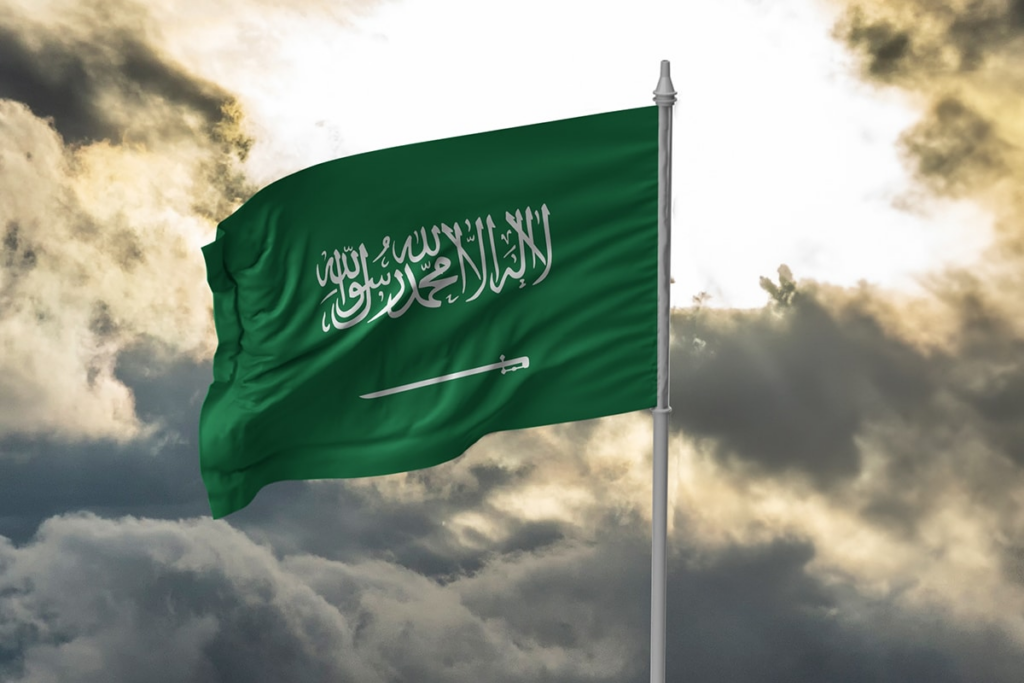
In a significant escalation tied to the ongoing Middle East war, the **U.S. State Department has ordered non‑essential American diplomats and family members of U.S. government employees to leave Saudi Arabia, citing growing safety risks amid regional tensions. The directive — which upgrades earlier voluntary departures — marks one of the most serious diplomatic withdrawals since the conflict expanded across the Gulf following the U.S.–Israeli strikes on Iran earlier this year.
The evacuation order comes as Iran‑linked drone and missile attacks have targeted U.S. diplomatic facilities and partner nations throughout the region, prompting concerns over the security of American personnel stationed in Gulf capitals. On Sunday, the State Department issued an ordered departure for non‑emergency staff and families in Riyadh and other Saudi cities — a move that reflects the intensifying threat environment in the Saudi kingdom, a key U.S. ally.
Why the Evacuation Order Was Issued
Officials say the evacuation directive was driven by increasing strikes and threats linked to the Iran war that have raised risks for diplomatic missions and foreign personnel living in Saudi Arabia. In recent days, Saudi defense authorities confirmed that two drones struck the U.S. Embassy in Riyadh, causing a fire and minor material damage — an incident that helped spur the decision to withdraw non‑essential staff.
Prior to the ordered departure, the United States had already authorized voluntary departures for non‑emergency personnel and their families earlier in the conflict, allowing those concerned about their safety to leave at their discretion. The upgraded order, however, makes the departure mandatory for eligible U.S. government employees and household members, underscoring the seriousness with which Washington views the evolving threat picture.
According to senior U.S. officials, the move follows broader evacuation and security measures across the Middle East. Similar directives have been issued for U.S. personnel in Bahrain, Iraq, Jordan, Kuwait, and other Gulf states as the conflict involving the United States, Israel, and Iranian forces continues to escalate.
Security Threats and Regional Context
The evacuation order reflects deepening instability in the Middle East after the U.S. and Israel launched a major military operation against Iran at the end of February — a campaign that targeted senior Iranian leaders and key strategic infrastructure. In retaliation, Iran has launched missile and drone attacks at U.S. bases, allied forces, and diplomatic compounds across the Gulf, including Saudi Arabia, Kuwait, and the United Arab Emirates.
Saudi Arabia — traditionally a close U.S. partner — has found itself on the frontline of these tensions due to its proximity to Iran and hosting of U.S. diplomatic and military facilities. The attacks on the U.S. Embassy in Riyadh and other missions have raised alarm among diplomats, prompting the shelter‑in‑place advisories, travel restrictions, and evacuation orders.
The United States has also reiterated travel advisories urging American citizens to reconsider travel to Saudi Arabia and the broader region due to the risk of further violence. While Washington has not advised against travel to the kingdom entirely, the warning reflects elevated caution as diplomatic operations shift to crisis mode.
Impact on U.S.–Saudi Relations and Regional Stability
While the ordered departure of non‑essential diplomats signals a serious response to threats, officials emphasize that the United States remains committed to its strategic ties with Saudi Arabia. Both nations continue cooperation on security, counterterrorism, and energy matters, even as shared concerns over Iran’s actions have drawn them into the wider conflict.
Nevertheless, the evacuation highlights the challenge of maintaining diplomatic engagement amid active hostilities. With tens of thousands of Americans already advised to leave the Middle East, the ordered departure order adds to disruptions at U.S. embassies and consulates. Several missions have suspended routine services, canceled appointments, and limited operations as security conditions deteriorate.
For Saudi Arabia, the departures may affect bilateral initiatives — from economic cooperation to cultural exchanges — in the short term. However, Riyadh has emphasized that it continues to coordinate with Washington on defense and intelligence matters to counter shared threats, especially those posed by Iran’s expanding missile and drone campaign.
Humanitarian and Operational Challenges
The evacuation orders come amid broader concerns about safety and humanitarian impact in a conflict that has already displaced civilians, disrupted transportation, and strained regional stability. Commercial flights across parts of the Middle East have been suspended or rerouted, complicating logistics for departing personnel and foreign residents alike.
U.S. citizens living in Saudi Arabia now face decisions about whether to depart voluntarily ahead of deadlines set by embassy authorities, while government employees and family members subject to the order are expected to coordinate their exit under official guidance. The State Department has been facilitating arrangements and issuing updated travel and departure guidance as the situation evolves.
Looking Ahead
As tensions remain high and the Iran conflict shows no clear end in sight, Washington’s decision to order non‑essential diplomats out of Saudi Arabia reflects heightened caution and concern for the safety of U.S. government personnel abroad. Whether the conflict will prompt further evacuations or adjustments to diplomatic footprints across the region will depend on how military and political pressures continue to unfold.